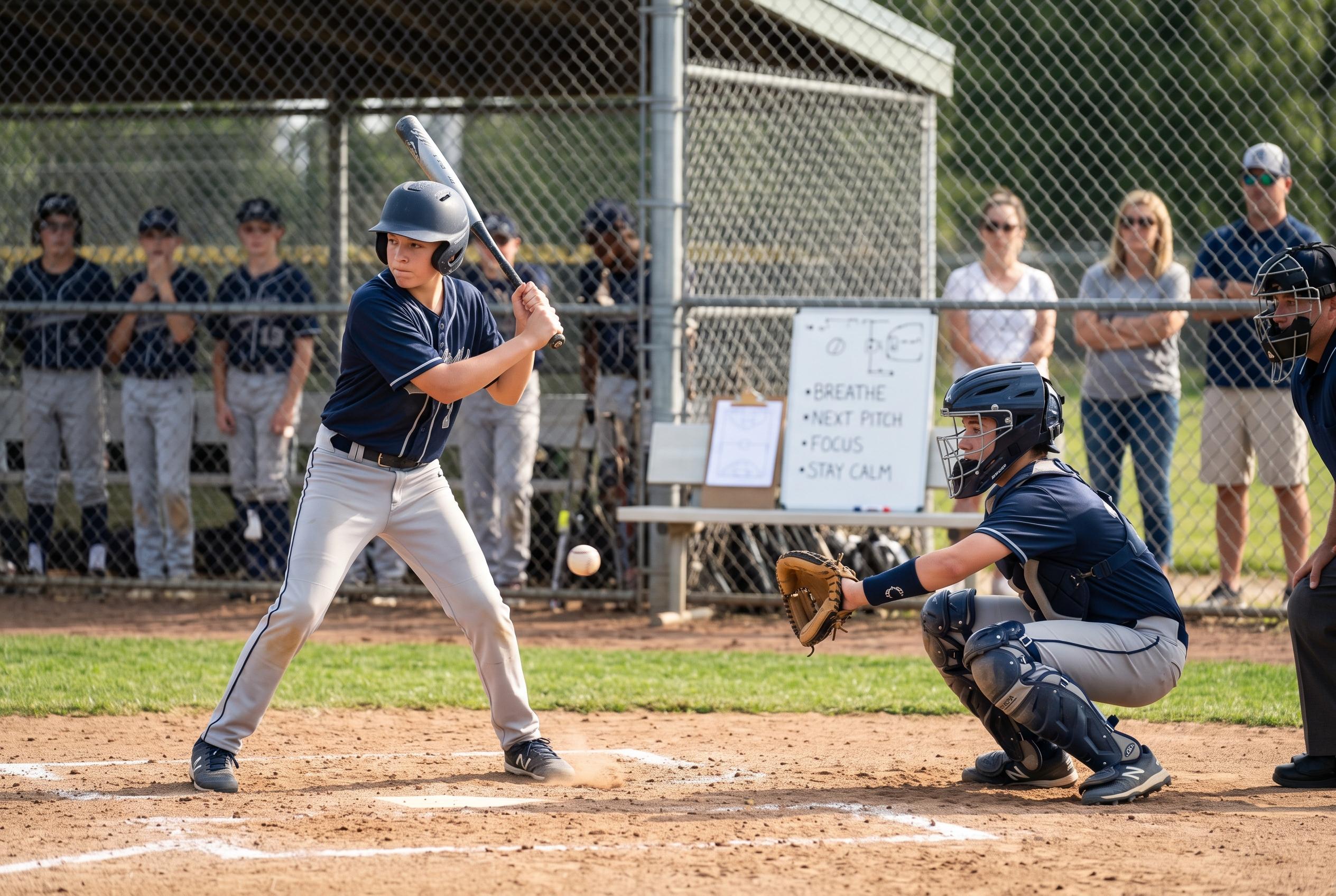

As the 13U season concludes, coaches emphasise teaching young players how to handle frustration and develop mental resilience, using deliberate practice amid increasing automation in umpire calls.
As the 13U season winds down, the focus is shifting from equipment bags and post-season tidying to something less tangible: what the summer taught the players, and what should change before the next one begins. One practical lesson came from the majors team this year, where a loud outdoor speaker and a steady stream of music helped keep practices lively without getting in the way of instruction. After wins, the players also began doing the SEA LION dance in left field on their own, a small sign that the group felt free enough to enjoy the moment.
For the coach behind the reflections, though, the biggest takeaway was not about energy levels or practice routines. It was about how young players handle frustration, especially when a call goes against them. Balls and strikes can spark immediate emotion, whether a pitcher believes a pitch caught the corner or a batter is certain a pitch missed the zone. That frustration is hardly limited to youth baseball: CBS Sports recently reported on Major League Baseball’s Automated Ball-Strike challenge system, which allows players to contest some calls, while ESPN said the early 2026 season has already featured nearly 1,000 challenges and a majority overturned.
The point, however, is not that the system removes disagreement. It is that disagreement is part of the game. The strike zone still matters, and so does the umpire’s first call, but the deeper lesson for young players is how they respond when they do not get the result they wanted. The baseball mental-game writings linked in the post argue that pressing at the plate, overthinking and trying too hard can quickly turn one pitch into a poor at-bat, while stable confidence means treating a bad moment as only one moment. That is the sort of resilience a coach can teach by design, not by accident.
So the next step is deliberate practice. The idea is to put hitters in difficult counts, such as 0-2, and make the reaction to a close call part of the drill, not an afterthought. If they foul off a pitch or put the ball in play, they stay in the box. If they take a pitch they believe was borderline, the lesson shifts immediately to composure and response. The message is simple: the mental game deserves the same repetition as swing mechanics, and for players who want to go further, the coach points them towards H. A. Dorfman’s books on pitching and hitting, along with the newsletter and Quick Start Guide for more help.
Disclaimer: This content is for informational purposes only and is not intended to be a substitute for professional medical judgment, advice, diagnosis, or treatment.