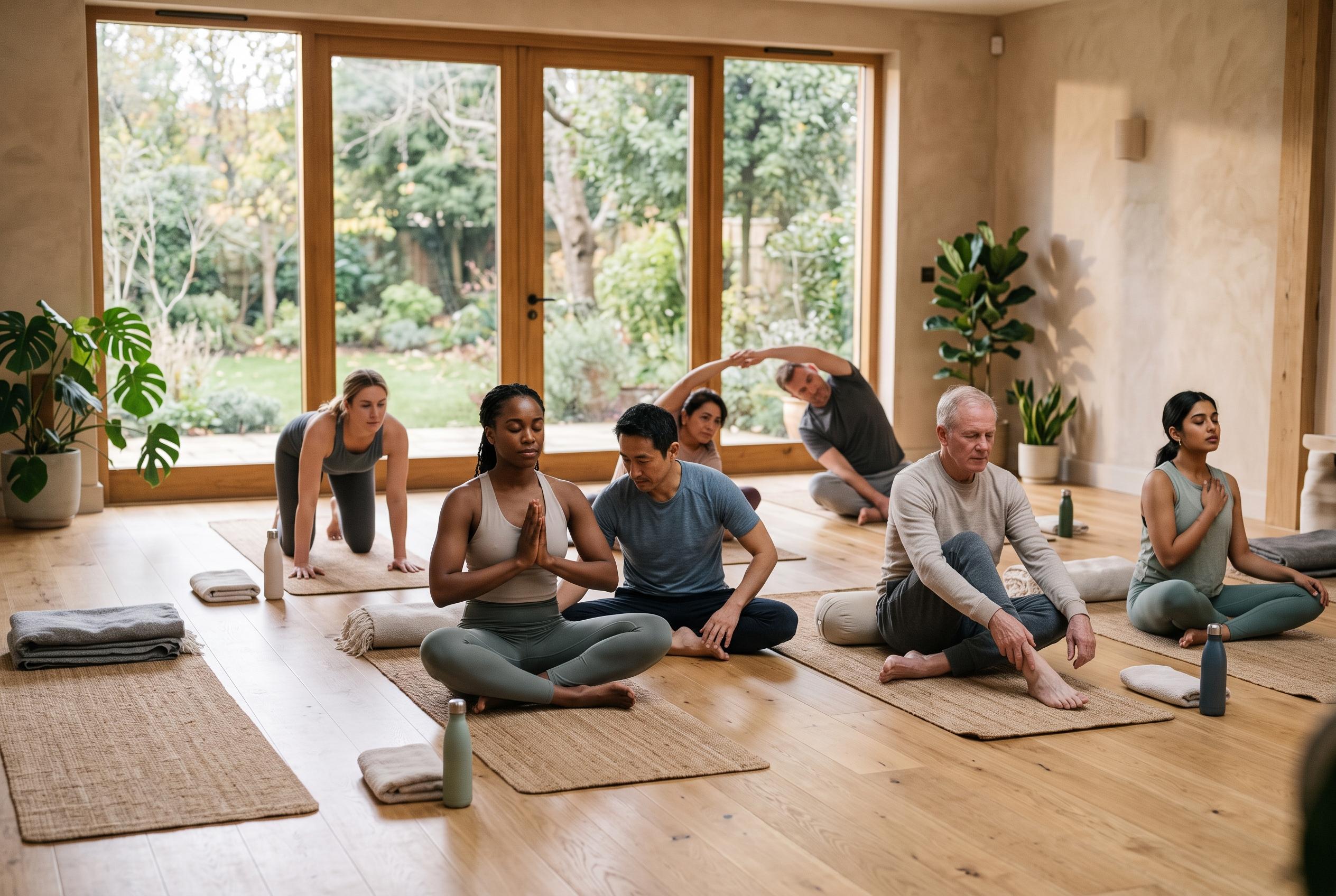

While yoga can help reduce perceived stress and improve mental function, evidence suggests it should complement, not replace, established treatments for anxiety and related conditions. Experts emphasise safety, individual tailoring, and realistic expectations for optimal benefits.
Yoga is often marketed as a cure-all for modern strain, but the best available evidence is more measured. The National Center for Complementary and Integrative Health says yoga can help reduce perceived stress and may ease some anxiety symptoms for some people, while also stressing that results are not consistent across every study. Its review of the evidence includes a 2020 analysis of 12 studies in healthy adults that found benefits on perceived stress, but the same agency also points to a 2021 study showing that, for generalised anxiety disorder, Kundalini yoga helped less than cognitive behavioural therapy. (nccih.nih.gov)
That caution matters because chronic stress is not simply a bad mood. NCCIH says prolonged stress can contribute to or worsen headaches, sleep disorders, digestive problems, depression and anxiety. In its broader guidance on stress care, yoga sits alongside meditation, massage and music therapy as supportive approaches rather than stand-alone treatment. The agency also notes that, in an older 2014 review, 12 of 17 yoga studies reported physical or psychological improvements linked to stress. (nccih.nih.gov)
Part of yoga’s appeal is that it combines movement with breathing and attention, a mix that may do more than ordinary exercise alone. Harvard Health says yoga may affect mood by raising levels of gamma-aminobutyric acid, or GABA, a brain chemical associated with lower anxiety, while meditation can reduce activity in the limbic system, which shapes emotional reactivity. The same review says regular practice has been linked with stronger executive function, memory, learning, reaction time and test accuracy, and cites brain imaging studies showing thicker cortex and hippocampus in people who practise yoga regularly. (health.harvard.edu)
The evidence becomes more complicated, however, when everyday stress shades into a diagnosed psychiatric condition. NCCIH’s yoga overview says a 2019 review of 38 studies involving 2,295 participants found a substantial benefit for anxiety symptoms across mixed groups, including students, military personnel, caregivers and patients. Yet the agency’s January 2024 science digest also highlights a meta-analysis of eight studies involving 319 participants with anxiety disorders or elevated anxiety levels that found only short-term improvements overall, with no benefit once the analysis was restricted to people with diagnosed anxiety disorders. For post-traumatic stress disorder, the same NCCIH evidence map describes the research base as weak, citing only low-quality evidence of a possible benefit from seven studies. (nccih.nih.gov)
The sharpest test against standard care came in JAMA Psychiatry. In a 12-week, three-arm randomised clinical trial, researchers compared Kundalini yoga, cognitive behavioural therapy and stress education for adults with generalised anxiety disorder. The study enrolled 226 participants, of whom 155 completed treatment. The authors wrote that many people with anxiety never receive care because of cost, stigma or logistical barriers, but their conclusion still favoured established therapy: yoga was helpful, yet CBT remained the first-line option. The trial was registered as NCT01912287. (jamanetwork.com)
For people who want to try yoga without turning it into a high-pressure project, the practical guidance is straightforward. Cleveland Clinic says yoga therapy is typically tailored one-to-one, with a therapist reviewing a person’s medical history, identifying safe movements and helping build a home routine. No previous experience is required. Sessions may be done seated in a chair or standing with support nearby, an initial appointment can last from 30 to 90 minutes, and the at-home element often averages about 15 minutes a day. (my.clevelandclinic.org)
Safety and expectations deserve equal billing. NCCIH says yoga is generally safe when performed properly, but sprains and strains do happen, most often affecting the knee or lower leg, and injury rates treated in emergency departments are higher among adults aged 65 and over than in younger people. Cleveland Clinic makes a similar point about limits in the evidence, saying yoga therapy is promising but not proven to treat underlying conditions. Older adults, pregnant women and people with balance issues, glaucoma, high blood pressure or existing joint and spine injuries may need modified poses or medical advice before starting. (nccih.nih.gov)
The most sensible case for yoga, then, is not that it replaces medicine, but that it can become a realistic part of a wider plan to manage stress. Harvard Health notes that, in a review of 15 studies of relaxation approaches in older adults, yoga and music were the most effective for depression and anxiety, with yoga appearing to last longest. Even so, federal guidance says people who cannot cope, or whose symptoms persist, should speak to a professional; in the United States, anyone in immediate emotional distress can call or text 988 for urgent support. (health.harvard.edu)
Disclaimer: This content is for informational purposes only and is not intended to be a substitute for professional medical judgment, advice, diagnosis, or treatment.