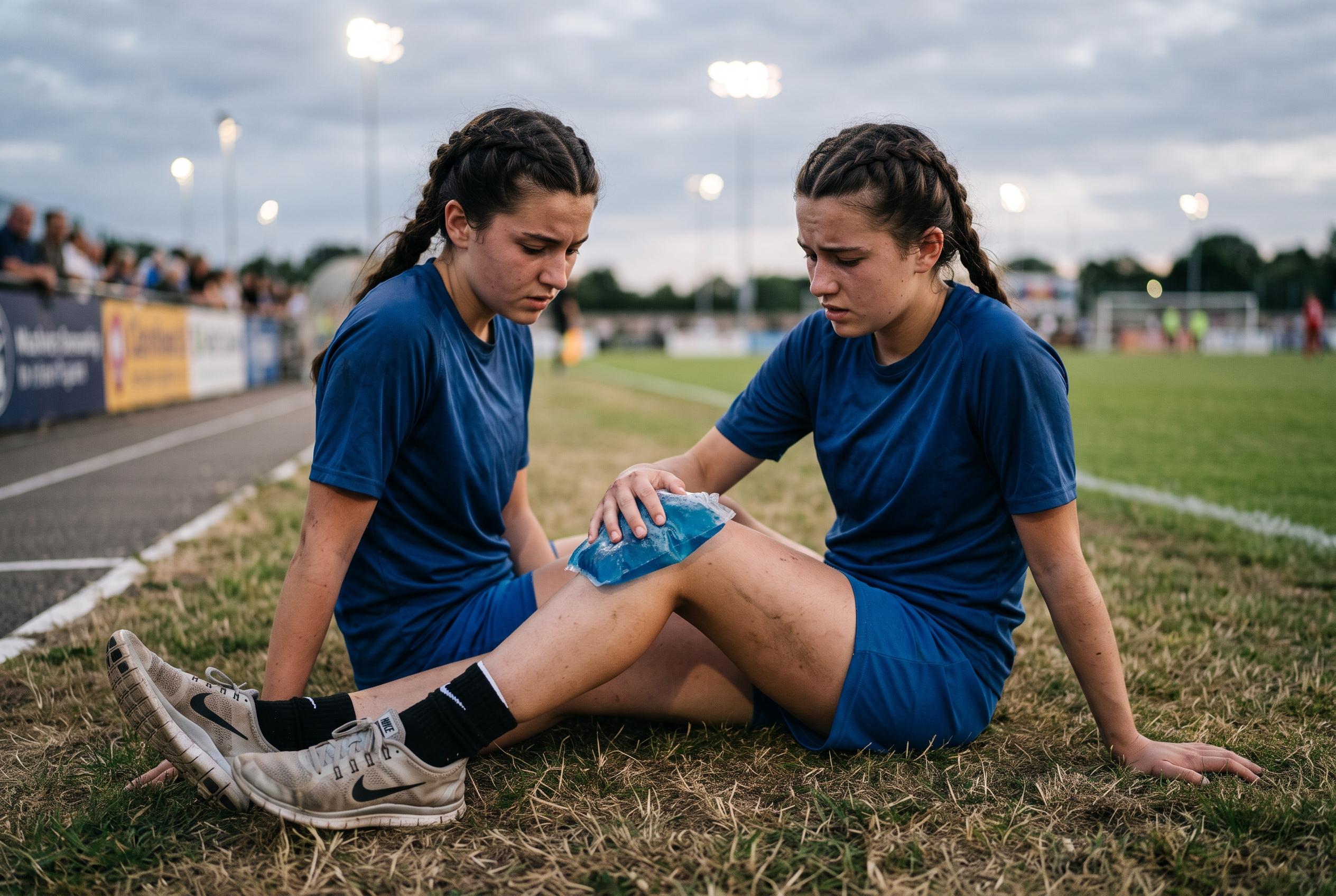

Sports medicine specialists and paediatric groups warn that teens focusing on a single sport year-round face higher risks of overuse injuries, emphasising the importance of varied sport participation and proper recovery.
Teens who train in the same sport all year long face a higher risk of overuse injuries, according to sports-medicine specialists cited by the Union Leader and supported by guidance from paediatric and hospital groups. These injuries develop gradually when repetitive stress outpaces recovery, and they can sideline young athletes long before a sudden collision or fall would.
The concern is especially relevant for children and teenagers who narrow their focus to a single sport too early. The Cleveland Clinic says repetitive motion, heavy training loads, poor mechanics and inadequate conditioning can all contribute to injuries such as tendon inflammation and stress fractures. The American Academy of Pediatrics says overtraining can also affect sleep, mood and overall wellbeing, not just muscles and joints.
Doctors and youth-sports experts say the warning signs are often subtle at first. UC Davis Health notes that pain, fatigue and a drop in performance can all signal a problem, while Children’s Healthcare of Atlanta says teens may not always recognise that what feels like ordinary soreness is actually a sign of overuse. Because young athletes are still growing, their bones and soft tissues can be more vulnerable to repeated strain.
Specialists generally recommend a more varied approach. The Association for Applied Sport Psychology says sport sampling, rather than year-round single-sport training, can reduce injury risk, and it cites research finding that highly specialised young athletes had a markedly higher risk of overuse injury than less specialised peers. UC Davis Health also advises limiting training volume, getting pre-participation physical exams and watching for early symptoms before they become serious.
Prevention is not only about reducing hours on the field. The American Academy of Pediatrics and Cleveland Clinic both stress rest days, adequate sleep, hydration and proper recovery as core parts of training. For parents and coaches, the practical lesson is straightforward: consistent progress matters, but so does giving a growing body time to recover.
Disclaimer: This content is for informational purposes only and is not intended to be a substitute for professional medical judgment, advice, diagnosis, or treatment.