


Research suggests games can offer friendship, mastery and support as well as risks, making context and conversations more important than blanket restrictions.
Video games have become a convenient culprit in debates over children’s mental health, but the evidence is more nuanced than the panic suggests. According to the GamesIndustry.biz opinion piece, the danger is not gaming itself but the failure to understand what children are actually doing online and what those spaces mean to them. For some young people, games are a source of friendship, competence and relief rather than a trigger for distress.
That is not the same as saying every game is harmless. The article notes that some online environments can deepen isolation, anxiety or compulsive behaviour, particularly when children are left without guidance. Yet research from Johns Hopkins Children’s Centre suggests that specially designed games may help young people with anxiety, depression and ADHD, while UNICEF Innocenti has found that well-designed digital games can support well-being by fostering control, achievement and social connection.
The wider academic literature points in the same direction. Columbia University’s Mailman School of Public Health has reported that heavy video game use in young children was associated with higher intellectual functioning and greater school competence, although such findings do not prove that gaming alone causes those outcomes. Taken together, the research suggests that context matters more than blanket assumptions: the type of game, the child’s needs and the quality of adult supervision all shape the experience.
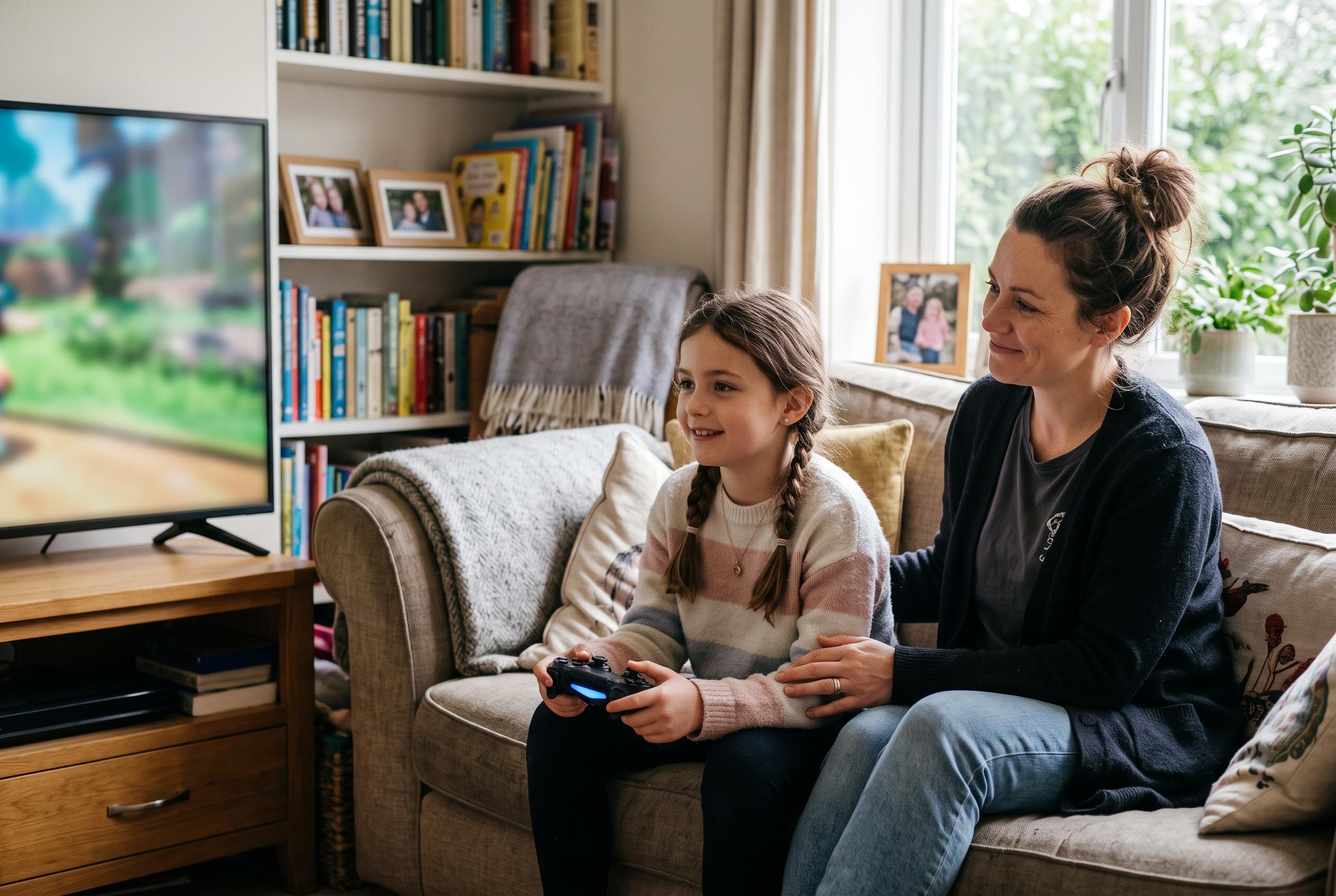
That is why broad restrictions can miss the point. The article argues that telling a child simply to stop playing ignores the reasons they may be drawn to games in the first place, whether that is friendship, creativity or a feeling of mastery. The safer approach is curiosity: asking what a child is building, who they are playing with and how they feel afterwards, rather than treating all screen time as identical.
For parents and caregivers, that means paying attention to whether gaming is displacing sleep, schoolwork or face-to-face relationships, but also recognising when it is providing something valuable. The GamesIndustry.biz piece, drawing on the work of Safe In Our World, frames that balance as the real challenge. On World Mental Health Day, its central argument is that the risk lies less in games themselves than in ignoring the worlds children are already spending time in.
Disclaimer: This content is for informational purposes only and is not intended to be a substitute for professional medical judgment, advice, diagnosis, or treatment.



