

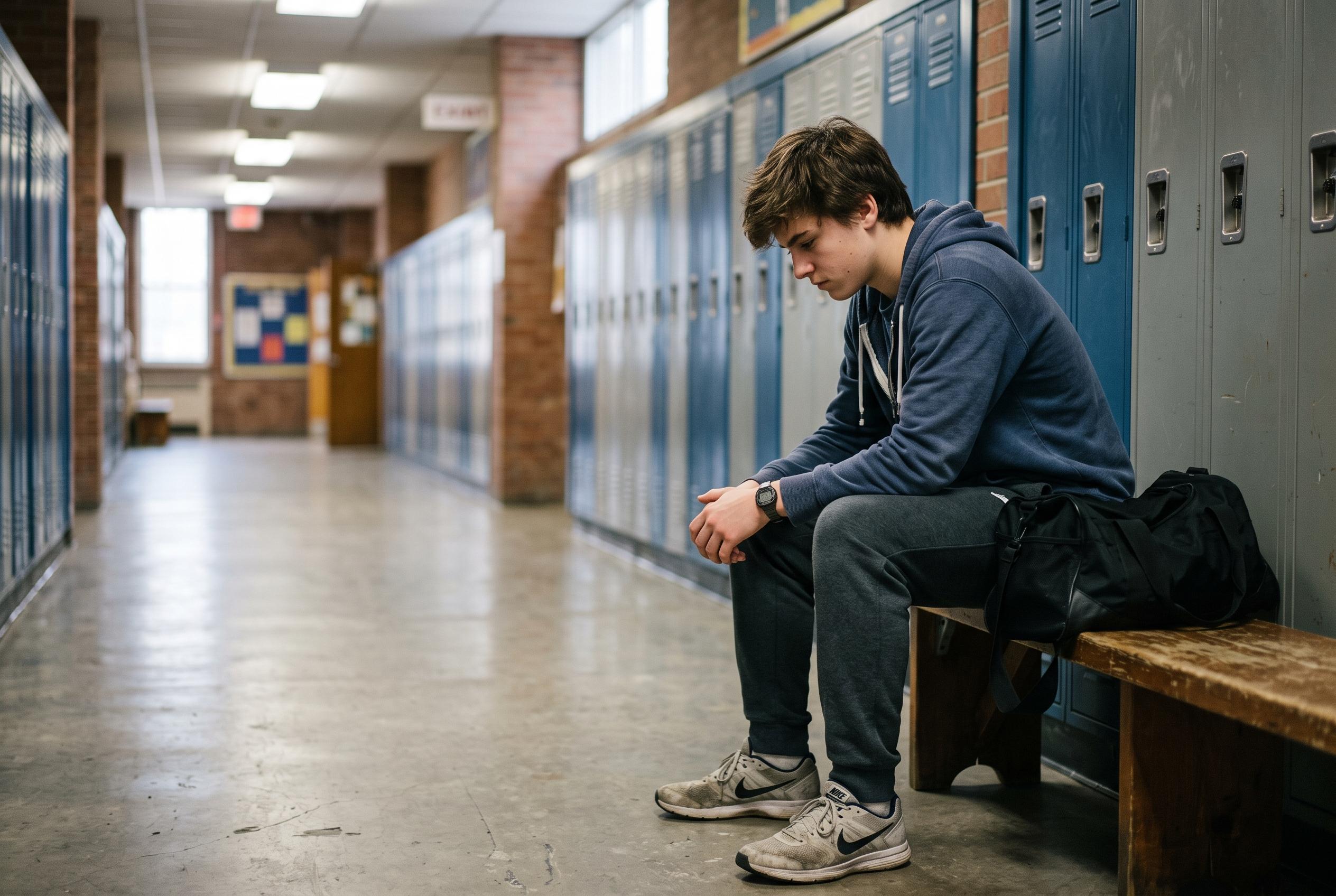

Choosing what to leave out can be as important as managing a packed schedule, with experts warning that guilt and performance pressure often disguise themselves as poor time management.
For student-athletes, the hardest part of managing a packed life is often not effort but choice. The expectations can feel endless: study hard, train well, support teammates, stay available to family and friends, and still find time to rest. In a conversation published by New Frontiers, Laura Hahn-Segundo Collins, a psychotherapist known as The Athlete Psychotherapist, argued that prioritisation is not simply a planning skill. It is also bound up with identity, pressure and the fear that any missed commitment could mean falling short.
Collins, a former elite gymnast and NCAA Division I diver with more than two decades of clinical experience, said many young athletes become highly skilled at obeying schedules set by adults, but do not necessarily learn how to decide what matters most to them. That distinction matters because a disciplined athlete is not automatically an effective prioritiser. As athletes move from tightly managed routines to situations where they must make more independent decisions, they may discover that saying no, changing plans or stepping back from one commitment can feel emotionally risky.
That risk is part of why prioritisation can become tangled with anxiety. A training session may be optional on paper, but it can feel compulsory if an athlete worries about losing status, disappointing a coach or letting down teammates. Collins said what looks like poor time management may actually reflect guilt, insecurity or a belief that self-worth depends on constant performance. That perspective echoes broader sports-psychology guidance on overthinking, which warns that pressure can push athletes to monitor skills that normally work best when performed automatically. When that happens, decision-making becomes slower and performance can suffer.
The answer is not always to simply work harder. Guidance from sports-performance specialists also stresses that athletes need a coherent plan, not just more effort. That means aligning training with specific goals, building in recovery and avoiding the trap of piling on activity until the week becomes unworkable. Collins made a similar point from a mental-health angle, saying the first question should not be what can be squeezed in, but what is realistic, sustainable and truly important at this stage of life. During exams, academics may need to take priority. During competition season, training may dominate. During injury recovery, sleep, rehabilitation and emotional well-being may need more space.
Parents and coaches have a significant role in that shift. Collins said adults can help most by asking questions that encourage reflection rather than issuing commands. What feels most important this week? What are you afraid will happen if you choose one thing over another? What support would make this easier? Such conversations can help athletes distinguish between obligation and value, while also giving them permission to admit when they are overloaded. She cautioned that adults cannot claim to value mental health while rewarding exhaustion, overextension and sacrifice as signs of commitment.
Practical prioritisation, Collins said, starts with mapping out the real shape of a week, including school, travel, meals, sleep, relationships and downtime. It also requires the honesty to recognise that not every demand deserves equal attention every day. Athletes should be able to ask for clarification, raise conflicts early and accept that rest is not a failure of discipline. The larger lesson, Collins suggested, is that success is not measured only in scores, times or rankings. It is also reflected in the ability to recognise limits, communicate needs and make thoughtful decisions that support well-being long after sport itself has changed.
Disclaimer: This content is for informational purposes only and is not intended to be a substitute for professional medical judgment, advice, diagnosis, or treatment.



