

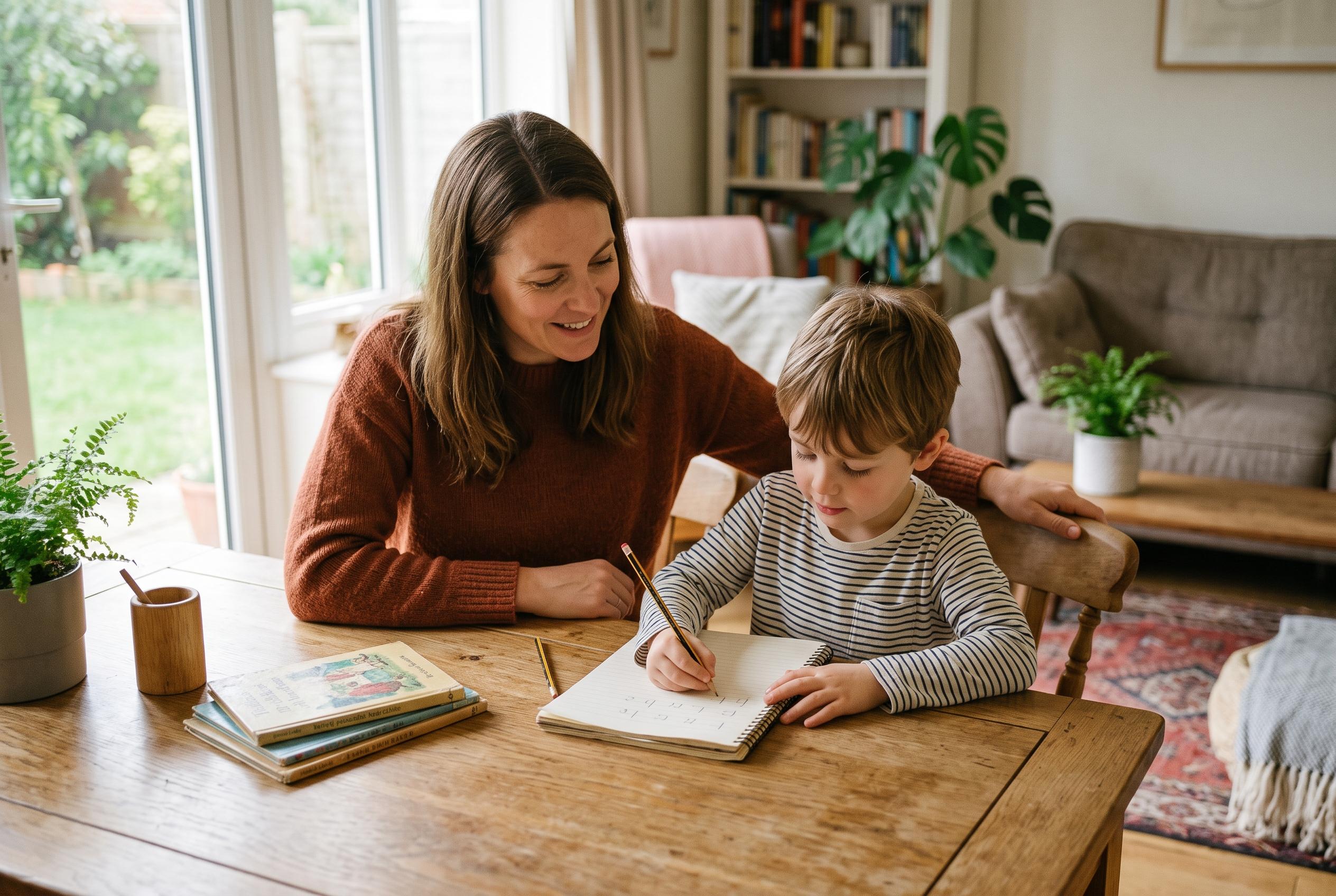

A six-year milestone for the Art of Homeschooling Podcast revisits a simple way to ease burnout: strip back overloaded routines before rebuilding them gradually.
Homeschool families often respond to mounting pressure by adding more: more worksheets, more activities, more structure, more effort. But the message at the heart of Episode 268 of the Art of Homeschooling Podcast is simpler than that. If a home education routine starts to feel crowded, the better answer may be to step back, not pile on.
The episode marks six years of the podcast and returns to a long-running idea in homeschooling circles: scale back until the rhythm works, then build slowly from there. That approach reflects a broader pattern described by homeschool support resources, which note that burnout often shows up when the schedule is overloaded, expectations are too high, or parents try to reproduce a school day at home. When that happens, children may become reluctant to begin lessons, lose curiosity, or seem increasingly resistant to work.
Signs of overload can be subtle at first. Parents may notice emotional outbursts, avoidance of routine tasks, or a child suddenly forgetting material that once seemed secure. Educational guidance on cognitive overload suggests that these reactions can mean a child’s mental capacity is stretched too far, leaving little room for processing, remembering or making connections. In practical terms, that can look less like laziness and more like a system that has become too dense to absorb anything well.
The case for simplifying is not only about reducing stress, although that matters. It is also about creating space for deeper learning. The episode argues that children need time to explore, practise and connect ideas if understanding is to settle in properly. Other homeschooling resources make a similar point, saying that cutting non-essential subjects, easing pressure and allowing more flexibility can help families recover a healthier pace. Rather than treating a stripped-back schedule as a failure, they present it as a way to protect both confidence and progress.
That message is especially important for parents who feel pulled to compare their home education with someone else’s. According to parenting guidance from PBS, comparison and exhaustion can quickly intensify burnout. The more sustainable path is usually smaller and steadier: keep what is working, remove what is not serving the family, and leave room for rest and real life. In that sense, doing less is not lowering the standard. It is making space for learning that lasts.
Disclaimer: This content is for informational purposes only and is not intended to be a substitute for professional medical judgment, advice, diagnosis, or treatment.



