

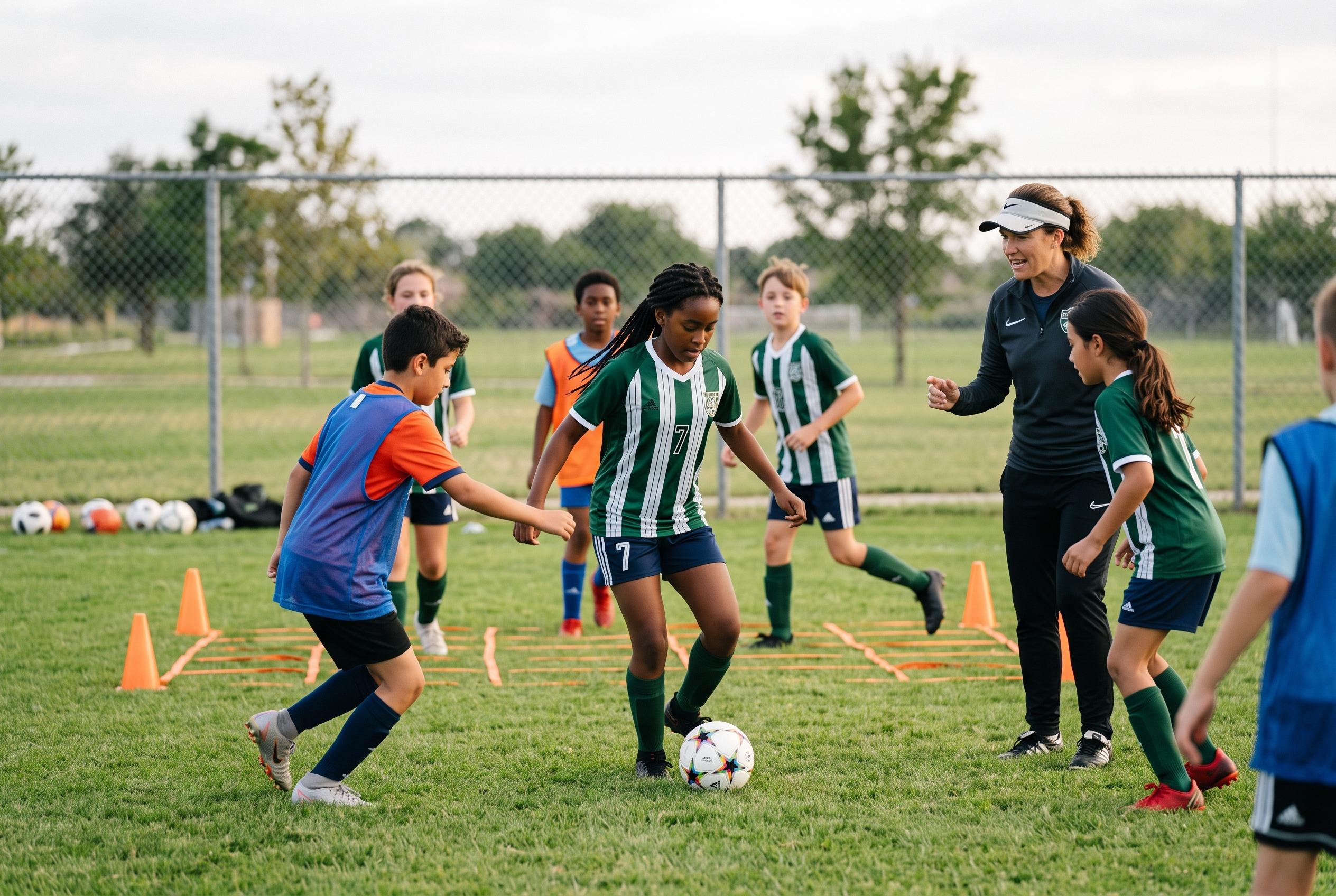

Coaches can help young athletes stay involved by rewarding progress, giving constructive feedback and allowing them to take greater ownership of their sport.
Coaches can do more than teach drills and tactics.They can shape whether young athletes feel capable, valued and eager to return the next day. A growing body of youth-sport advice now emphasises that confidence is less about constant praise and more about building an environment in which children can improve, contribute and enjoy the experience. According to the reporting and guidance gathered from several coaching and parenting outlets, the common thread is simple: when sport feels rewarding rather than threatening, children are more likely to stay involved.
One of the clearest approaches is to design sessions around progress rather than perfection. That means rewarding effort, small improvements and skill development instead of only spotlighting the most talented player or the final score. Coaches who frame success this way help children see that growth comes in steps, which can make training feel more achievable and less intimidating. The same advice also encourages coaches to focus on what athletes can control, such as technique, decision-making and attitude, rather than outcomes they cannot fully manage.
Another theme is feedback. Several of the summaries stress that young athletes need a healthy balance of correction and encouragement, not a stream of criticism that leaves them anxious or afraid to take risks. The best coaching climates, they suggest, are the ones in which children hear what they are doing well, what they can adjust and why those changes matter. In that setting, confidence grows because mistakes are treated as part of learning rather than evidence of failure.
A third element is autonomy. Coaches who give players age-appropriate choices, invite them into simple decisions and gradually hand over more responsibility can strengthen both ownership and motivation. That approach aligns with wider guidance that says children stay engaged when they feel they matter to the group, not just when they are the top scorer. The result is a healthier team culture, one that values connection, effort and belonging as much as performance. For parents watching from the sidelines, it is a useful reminder that the most successful youth programmes are often the ones where children leave feeling better about themselves than when they arrived.
Disclaimer: This content is for informational purposes only and is not intended to be a substitute for professional medical judgment, advice, diagnosis, or treatment.



