

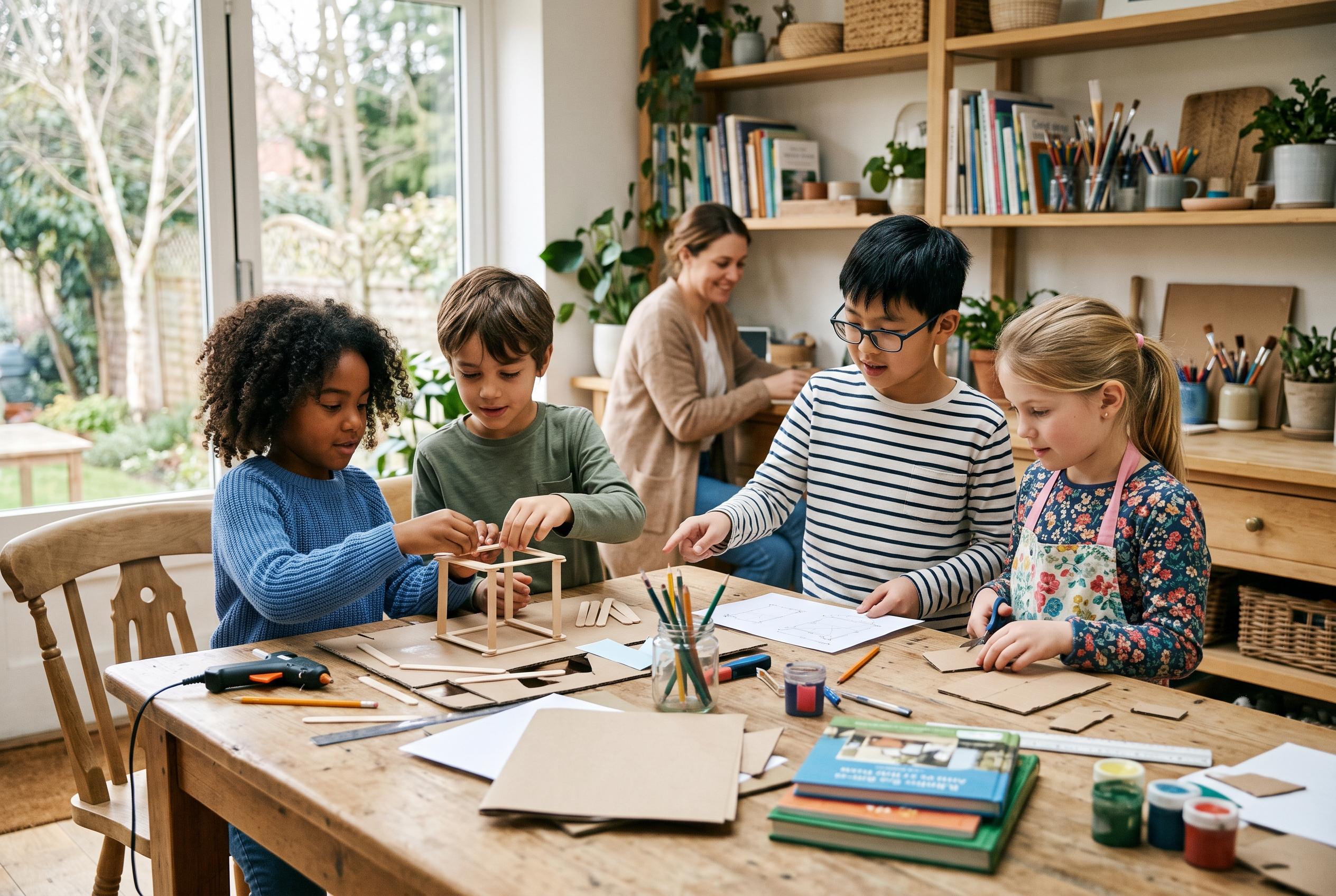

Role-play, everyday responsibilities and acts of kindness can give children the practical evidence they need to develop confidence, resilience and respect for others.
Helping children build self-esteem is less about praise for its own sake and more about giving them repeated chances to see what they can do, manage, and improve. The lead article argues that genuine self-worth is rooted in belief, effort, and practice rather than empty flattery, and that distinction matters for parents who want to raise children who are confident without becoming arrogant. Self-esteem, in this sense, is tied to resilience, social skills, and the willingness to keep trying when something feels difficult.
One of the most useful approaches is to give children concrete ways to rehearse challenging situations. Role-play can help them practise speaking up to a teacher, responding to peer pressure, or handling awkward moments with other children. Several parenting guides also recommend positive self-talk, whether through affirmation cards, an “I Can” jar, or simple daily statements that remind children they can learn and improve. These exercises are most effective when they are specific and believable, rather than exaggerated or vague.
Another recurring theme across the related guidance is the value of mastery. Children often grow in confidence when they are trusted with real responsibilities, encouraged to try a new hobby, or given a task they can complete successfully. That may mean helping with household chores, learning to cook a simple meal, keeping track of belongings, or setting a small goal and watching it through to completion. ParentingPod notes that these kinds of activities work because they give children clear proof of ability, while Mental Health Center Kids highlights journalling and goal-setting as practical tools for reinforcing a positive self-image.
Social connection is equally important. The lead article stresses that children should learn to help others, not just focus on their own strengths, and that idea is echoed in the later summaries, which point to kindness tasks, compliment circles, and cooperative activities as useful confidence builders. When children support a classmate, practise teamwork in sport, or celebrate brave attempts rather than only perfect outcomes, they learn that competence and consideration can exist together. That matters because a healthy sense of self-esteem should include respect for other people as well as belief in oneself.
Creative and physical activities can also reinforce that sense of capability. Painting, dance, outdoor walks, team sports, and other forms of movement or expression give children another way to experience progress and enjoyment without the pressure of formal achievement. The broader message running through the material is straightforward: self-esteem grows when children are encouraged to practise, reflect, help, and try again. For parents and carers, the most effective support is often a mix of patience, encouragement, and opportunities that allow children to discover their own strengths in everyday life.
Disclaimer: This content is for informational purposes only and is not intended to be a substitute for professional medical judgment, advice, diagnosis, or treatment.



