

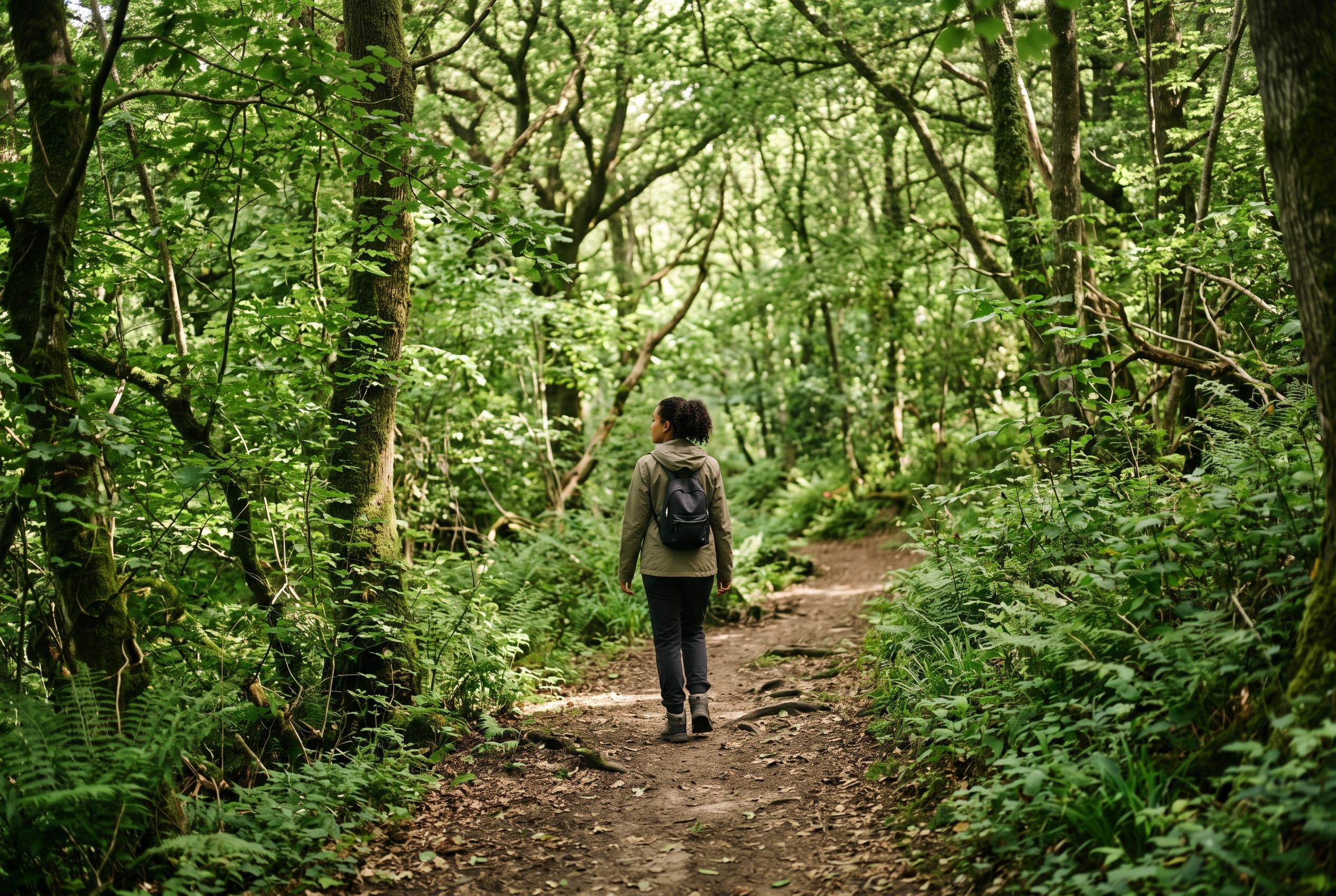

Research suggests that exercising in natural surroundings can improve mood, restore attention and reduce stress hormones beyond the benefits of physical activity alone.
Exercising outdoors can do more than improve fitness; it may also help calm the mind. The idea, often described as “green exercise”, is that movement in natural surroundings can ease stress, lift mood and sharpen attention in ways that indoor workouts may not always match. Research cited by Mayo Clinic shows that physical activity can help the body manage stress by increasing endorphins, while newer studies suggest that the setting itself can add to those benefits.
A randomised trial published in Scientific Reports found that adults who took a 30-minute walk in an urban forest showed stronger gains in attention and mood than people who walked indoors. The outdoor group also had a greater fall in salivary cortisol, a marker of stress, and signs of increased parasympathetic activity, which is linked with the body’s rest-and-recovery response. Harvard Health has also highlighted evidence that even 20 to 30 minutes in a natural setting can be enough to lower cortisol levels.
The broader research base points in the same direction. A systematic review and meta-analysis on green exercise found a small but meaningful improvement in overall wellbeing, with a particularly strong effect on positive mood and a reduction in negative mood. Other studies have suggested that adding nature elements, such as green views or natural sounds, may make exercise more effective at easing acute stress than exercise alone. Workplace research has also indicated that nature-based activity during the working day can reduce job stress.
Part of the benefit may come from attention restoration. In a gym or at home, people are often surrounded by noise, screens and other demands on attention. Outdoors, by contrast, the mind can rest on less taxing sights such as trees, sky and open space. That shift may help explain why many people report feeling less irritable and mentally drained after a walk in a park than after a similar workout on a treadmill.
The practical lesson is that the exercise does not need to be intense. A brisk walk, a stretch session or a short jog outside may be enough to make a difference, especially if it becomes a regular habit. That said, outdoor exercise is not a substitute for medical care. Anyone dealing with persistent low mood, sleep problems, appetite changes or hopelessness should seek help from a qualified healthcare professional.
Disclaimer: This content is for informational purposes only and is not intended to be a substitute for professional medical judgment, advice, diagnosis, or treatment.



