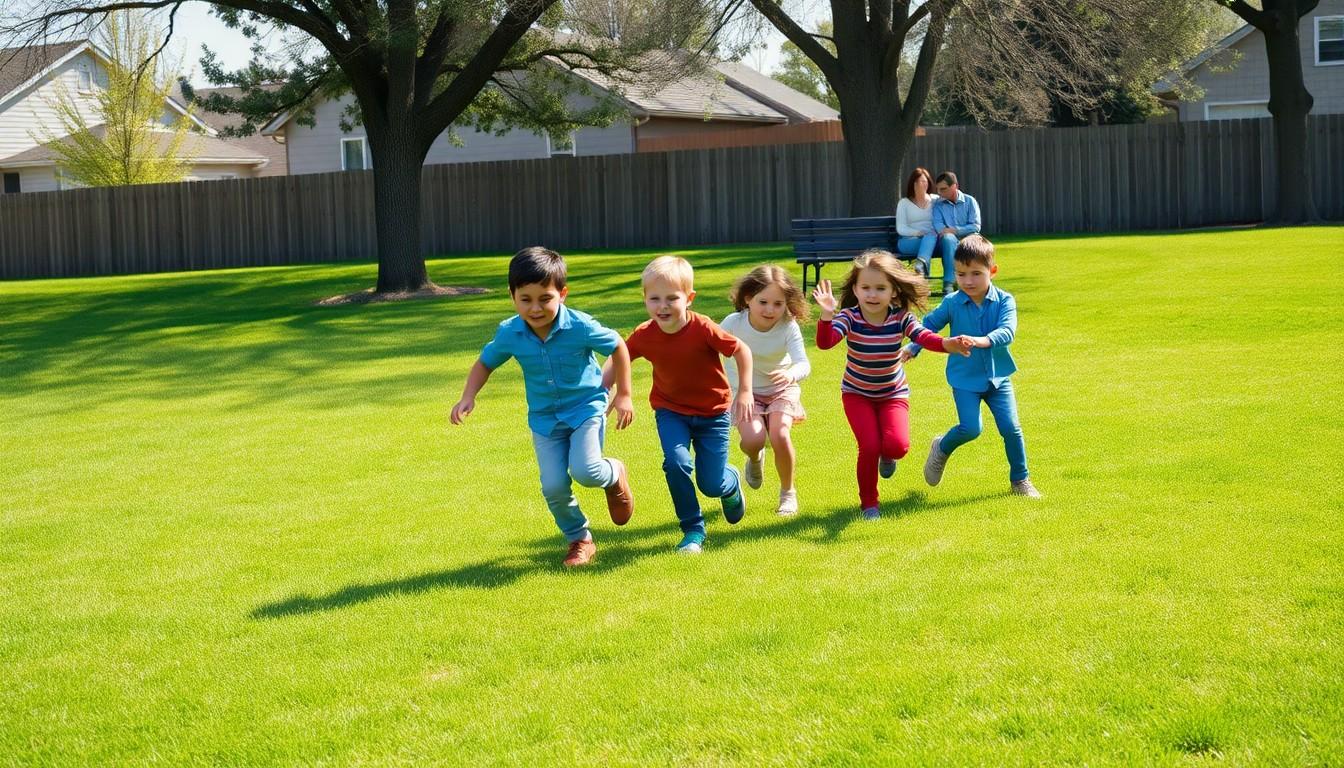

Structured weekend pursuits ranging from sports to creative hobbies can foster lasting self-belief, resilience and social skills in children, setting foundations for lifelong success.
For many families, the weekend still means sand, screens or simply switching off at home. Yet that stretch of free time can also become a valuable window for children to practise something new, and in doing so, build self-belief that lasts well beyond Sunday night.
Confidence in children tends to grow through repetition, effort and manageable challenge rather than praise alone. The idea is simple: when a child sees evidence of improvement, whether in movement, creativity or problem-solving, they begin to trust their own abilities. An academic article published in the University of Chicago Press has argued that successful experiences in the motor domain are especially important in shaping self-esteem, particularly when children are given chances to try, fail and try again.
That is one reason structured weekend activities can be so effective. They give children a different kind of learning environment from school: less about grades, more about discovery. Children who take part in play-based or skill-based activities are not just being occupied. They are learning how to persist, how to cope with frustration and how to convert small wins into a stronger sense of competence.
Physical activities are often the clearest route to that progress. Dartmouth Health says free play and active exploration help children solve social problems, regulate emotions and become more resilient, while the Children’s Hospital of Dallas notes that play supports physical, cognitive, social and emotional development. Activities that involve balancing, coordination or controlled risk can be especially powerful because they ask children to work through fear and discomfort as well as improve technique.
That helps explain the appeal of skate lessons, gymnastics and similar weekend pursuits. According to the article from Gym Inny Kids, gymnastics builds confidence through incremental progress, discipline and repeated small victories. The wider point applies to many sports and movement-based hobbies: children learn that ability is not fixed, and that practice can change what they are capable of doing.
Confidence, however, is not only physical. Group activities can be just as useful for children who need help finding their voice. The Dartmouth Health piece says unstructured play helps children negotiate, collaborate and manage social challenges, skills that translate neatly into organised team settings. Leadership classes and other group programmes, as described by The Future Leaders, can also strengthen communication, teamwork, responsibility and creative thinking.
Creative hobbies add another dimension. Music, dance, painting, theatre and storytelling give children a way to express themselves when ordinary conversation falls short. These activities can be especially valuable for quieter children, offering a setting in which imagination is rewarded and personal style is visible to others. When a child performs, presents or shares work they have made, they receive a different kind of validation: proof that their ideas matter.
Mistakes are part of that process, and often the most important part. Programmes that allow children to stumble in a safe environment teach them that error is not the end of progress. A missed move, a wrong note or a failed attempt at building something new can become useful feedback rather than a source of shame. Rasmussen University has argued that risky play and challenge help children develop resilience, confidence and better physical and emotional skills.
Mentors matter too. Coaches, teachers and instructors can give children the structure and encouragement that make effort feel worthwhile. They help children set realistic goals, recognise progress and stick with difficult tasks long enough to improve. That steady adult support often has an effect that goes well beyond the activity itself.
The most effective weekend option is not necessarily the most ambitious one. It is the one that fits the child: energetic or reflective, independent or social, artistic or athletic. In practice, families may choose from options such as music classes, art workshops, coding clubs, leadership sessions or tennis lessons. What matters most is not novelty, but consistent engagement long enough for progress to become visible.
That consistency is what turns a hobby into character-building. A child who attends one meaningful programme week after week is more likely to notice improvement, form relationships and develop a sense of belonging. Over time, they begin to see themselves differently: as someone who can learn, adapt and keep going.
The weekend, then, is not only a break from the school routine. It can also be a place where children practise courage, concentration and resilience in ways that shape the rest of their lives. Long after the activity ends, the confidence it builds can travel with them into the classroom, friendships and the challenges of growing up.
Disclaimer: This content is for informational purposes only and is not intended to be a substitute for professional medical judgment, advice, diagnosis, or treatment.