

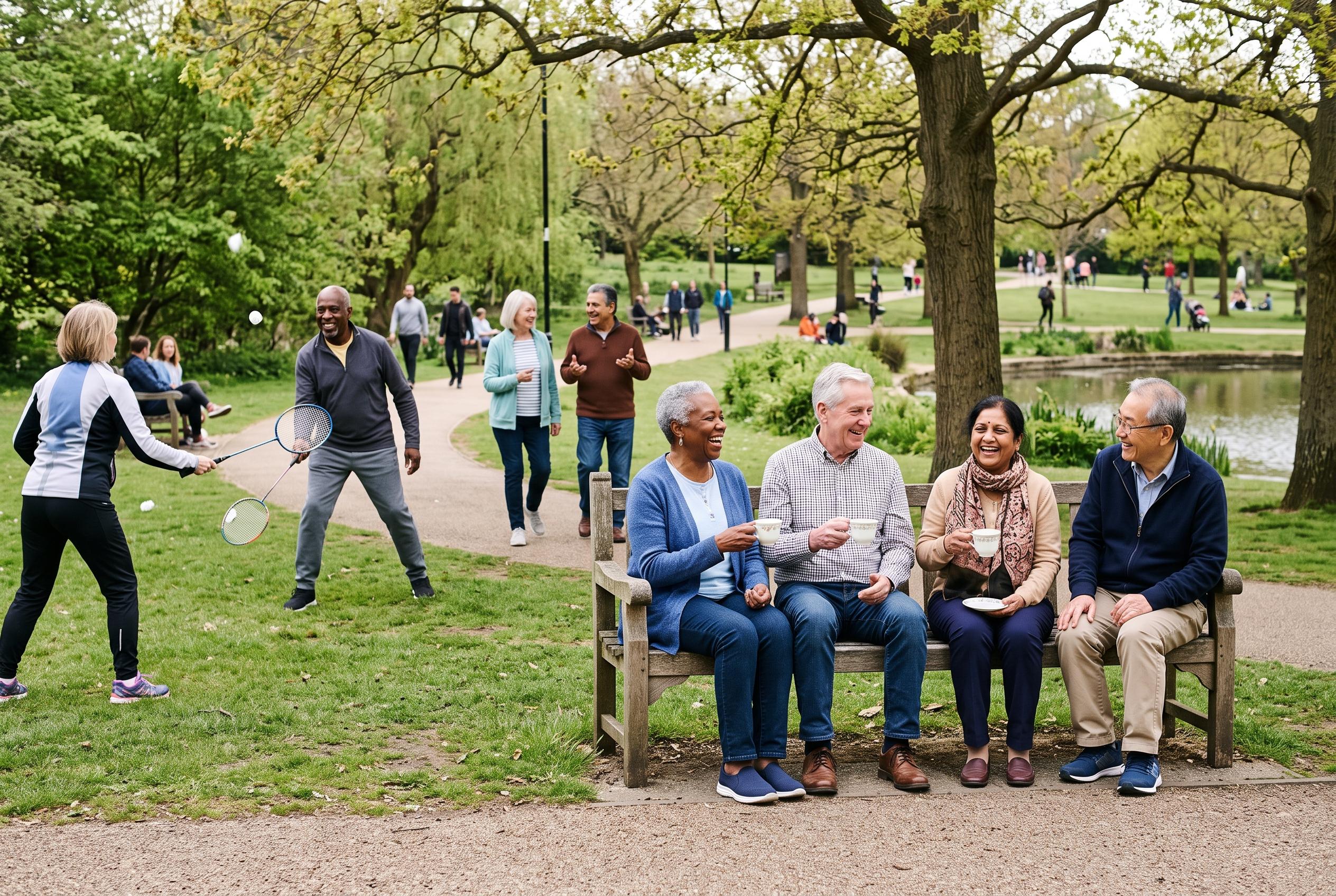

An analysis of almost 60,000 people across 24 countries found that volunteering, sport and other regular activities were associated with stronger memory and thinking skills, although researchers cautioned that the study cannot prove cause and effect.
Regular social activity may help keep the brain younger for longer, according to a large new study that found people who took part in more varied activities tended to perform better on tests of memory and thinking skills.
Researchers, including scientists from Guangdong Medical University in China, analysed pooled long-term data from five major surveys in the US, the UK, Europe, China and Mexico. The combined datasets covered nearly 60,000 people in 24 countries, with 57,793 participants included in the cognitive analysis and followed for an average of six years. The study found that cognitive scores were higher among people who stayed socially active, and that the benefit appeared to increase with the number of activities they regularly did.
Volunteering and taking part in sports clubs stood out as especially strong markers of better cognitive health. Training courses and caring for children were also linked with higher scores, while involvement in political, community, church and religious groups did not show the same consistent association. The findings add to a growing body of research suggesting that physical, mental and social engagement can all play a role in reducing the risk of dementia, which global estimates suggest could affect about 153 million people by 2050.
The protective effect was stronger in women, in people over 60, in those with higher levels of education, in people living alone, in normal-weight participants and in those in rural areas. Even so, the authors stress that the research was observational, so it cannot prove that social activity itself directly prevents decline. One possible explanation is the long-standing “use it or lose it” idea, in which regular stimulation helps the brain maintain and build new connections over time.
Disclaimer: This content is for informational purposes only and is not intended to be a substitute for professional medical judgment, advice, diagnosis, or treatment.



