

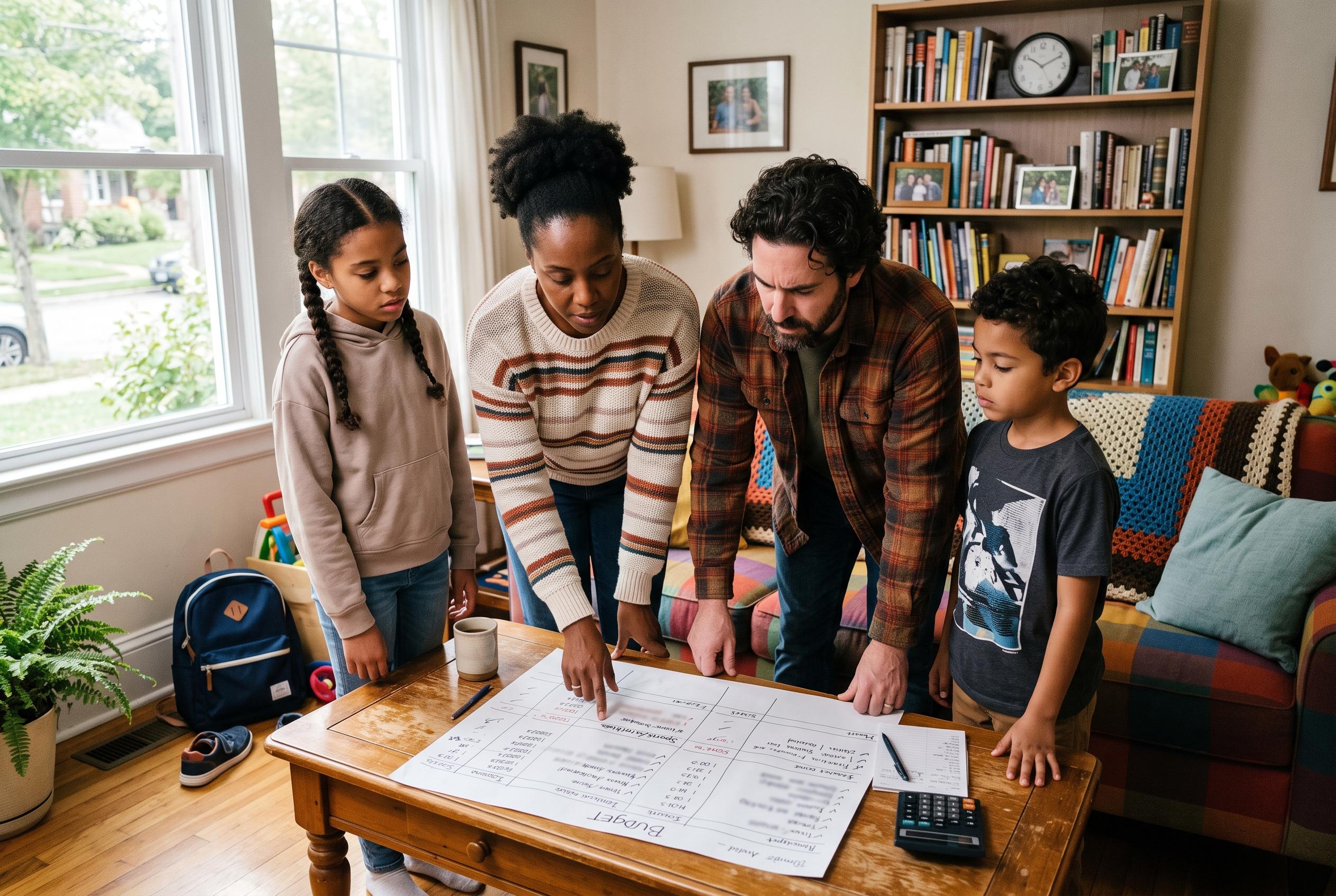

A rising tide of expenses in US youth sports is exhausting family budgets, with many making sacrifices to keep children active amid soaring registration fees, travel costs, and equipment bills, highlighting a shift from affordable childhood activities to a significant financial commitment.
Youth sports have become a major household expense in the US, with the Aspen Institute’s Project Play estimating that the sector is now worth more than $40 billion a year. Its 2025 survey found the average family spent $1,016 on a child’s primary sport in 2024, up 46% from 2019, as registrations, travel, lodging and private lessons pushed costs higher.
That broad trend helps explain why one Business Insider writer said her family spent $2,292 last season on activities for two young sons, and why that figure covered only fees and uniforms, not the full cost of equipment, transport and extra spending along the way. The article’s message is simple: even families trying to keep children active can find the bill climbing quickly.
The pressure is not limited to elite travel teams. A March 2026 recreation industry article said some competitive programmes can run from $5,000 to $10,000 a year, while equipment and uniforms can average about $850 per season for team sports. That sits far above the kind of youth-sport costs many parents remember from earlier decades, when a child’s registration fee might have been little more than pocket money.
To keep expenses in check, the writer described a set of practical trade-offs: limiting each child to one sport and one activity a season, buying second-hand kit, using neighbourhood giveaway groups, and passing down gear between siblings. She also said she avoids summer sports and camps, which can cost hundreds of dollars a week per child, and groups activities in the same season to reduce driving and make sharing equipment easier.
The result is a picture familiar to many parents: organised sport still offers exercise, confidence and social development, but for more families it now requires careful budgeting and a willingness to compromise. Some parents may turn to community programmes or after-school options as cheaper alternatives, yet the underlying reality remains the same: in many American households, youth activities are no longer a small line item, but a meaningful financial commitment.
Disclaimer: This content is for informational purposes only and is not intended to be a substitute for professional medical judgment, advice, diagnosis, or treatment.



