

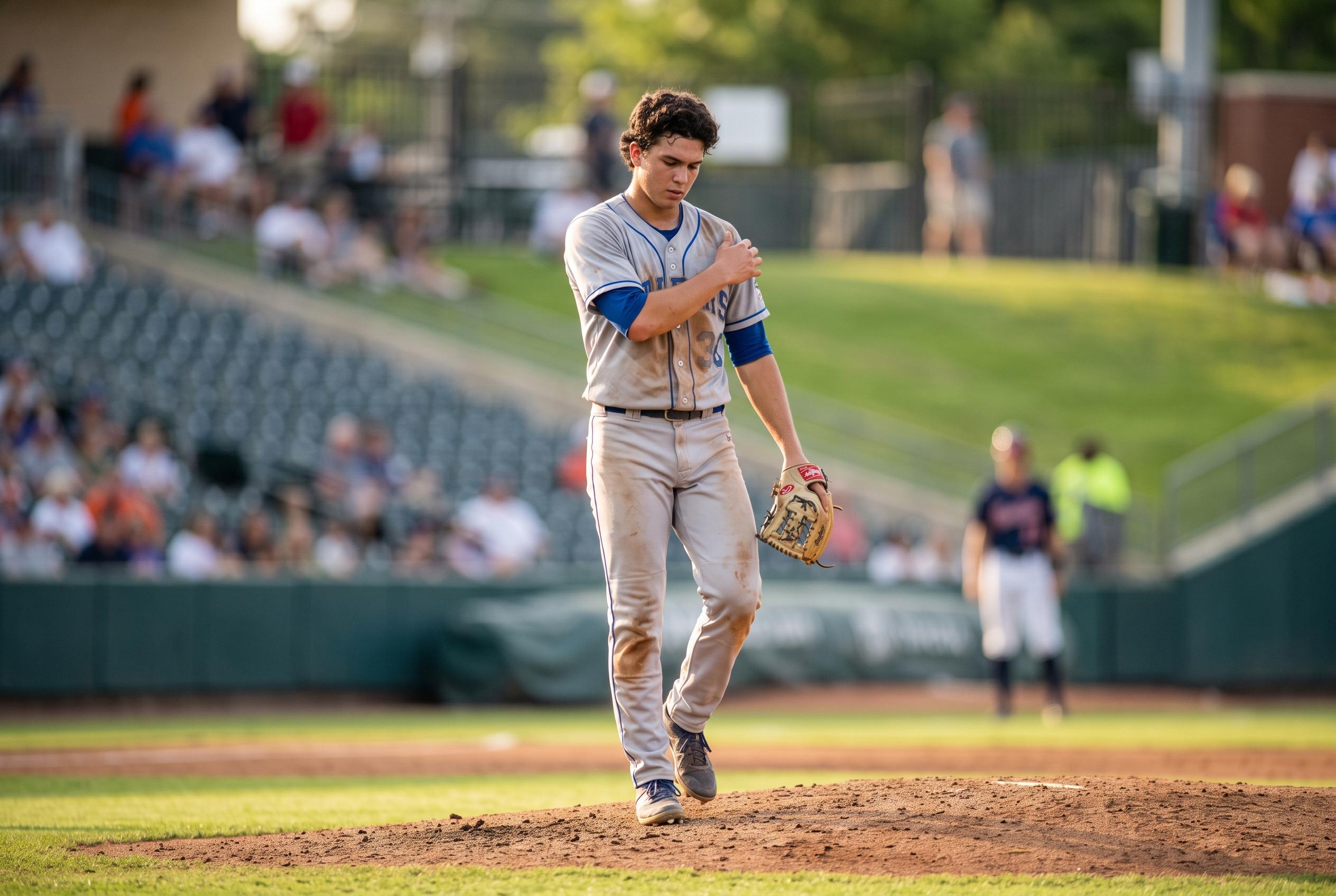

Evaluating a young pitcher’s arm health requires considering all throwing activities, not just pitch counts. Experts emphasise the importance of reviewing warm-ups, bullpen intensity, and recovery time, alongside seeking medical advice for persistent soreness.
A game pitch count can only tell parents so much about a young pitcher’s arm. According to VeloRESET, the more useful question is often what else happened during the week, including warm-ups, practice throws, long toss and bullpen work that never appears in the official total. That broader view matters because arm pain after an outing does not necessarily come from the most recent game alone.
Bullpen sessions can vary widely in both purpose and strain. Some are light, designed to sharpen feel and rhythm, while others are closer to game intensity and can place far greater stress on the arm. VeloRESET says that difference is important because two sessions with the same label may have very different workload implications once timing, intensity and recovery are taken into account.
That is one reason pitch-count compliance does not answer every workload question. A pitcher may stay within the limit for a game and still have a demanding week if a hard bullpen, extra practice or other throwing activity came before or after it. The youth baseball guidance discussed by several arm-care specialists also stresses that volume and fatigue, rather than any single outing, are often the larger issue when trying to understand why soreness develops.
Parents should also pay close attention to how long soreness lasts. VeloRESET notes that ordinary post-throwing soreness should ease within a day and resolve within 48 hours, while pain that persists, worsens or changes location may point to a more serious problem. Some youth baseball arm-care guides go further, advising immediate rest if pain is in the elbow or radiates down the forearm, or if velocity drops during an outing.
The key point is that workload review and medical evaluation are different things. Tracking games, bullpens and other throwing sessions can help parents describe the full picture, but it cannot diagnose an injury or explain pain on its own. If a young pitcher’s arm continues to hurt, the safer approach is to stop guessing, reduce throwing and seek proper medical advice before the next session.
Disclaimer: This content is for informational purposes only and is not intended to be a substitute for professional medical judgment, advice, diagnosis, or treatment.



