
The University of the Fraser Valley is introducing a new 12-week online exercise initiative for children and teenagers diagnosed with cancer or blood disorders, aiming to enhance safety and access during treatment and survivorship.
The University of the Fraser Valley is preparing to launch a free online exercise programme for children and teenagers diagnosed with cancer or a blood disorder, aiming to make physical activity safer and easier to access during and after treatment. The 12-week initiative, called The Move Club, is designed for young people in British Columbia, Ontario and the Maritime provinces, and will continue to support participants for as long as 15 years after treatment. Amanda Wurz, a researcher and assistant professor at UFV, said many families are unsure what activity is safe when a child is unwell, especially when treatment side effects, fatigue and immune concerns make conventional sports or gym settings difficult to navigate.
The programme builds on the University of Calgary’s IMPACT study, which tested a tailored, one-to-one physical activity intervention delivered by videoconference to children and adolescents receiving treatment for cancer or blood disorders. Published interim findings from the study said the remote model was feasible and safe, although researchers noted challenges with recruitment, retention and data completeness. The trial protocol and registry entry show that the original IMPACT study was structured as a 12-week supervised programme for participants aged five to 18, with sessions delivered online by trained exercise professionals and a parent or caregiver present.
Under the UFV version, each participant will begin with an individual virtual assessment and receive a programme shaped around their treatment stage, symptoms and personal goals. For some children, that may mean gentle movement, stretching and mobility work; for others, it may involve more energetic activities such as games or stair exercises. Wurz said the idea is to keep the plan flexible, because treatment experiences can change from day to day, and to avoid a one-size-fits-all model that may not work for children coping with pain, fatigue or anxiety.
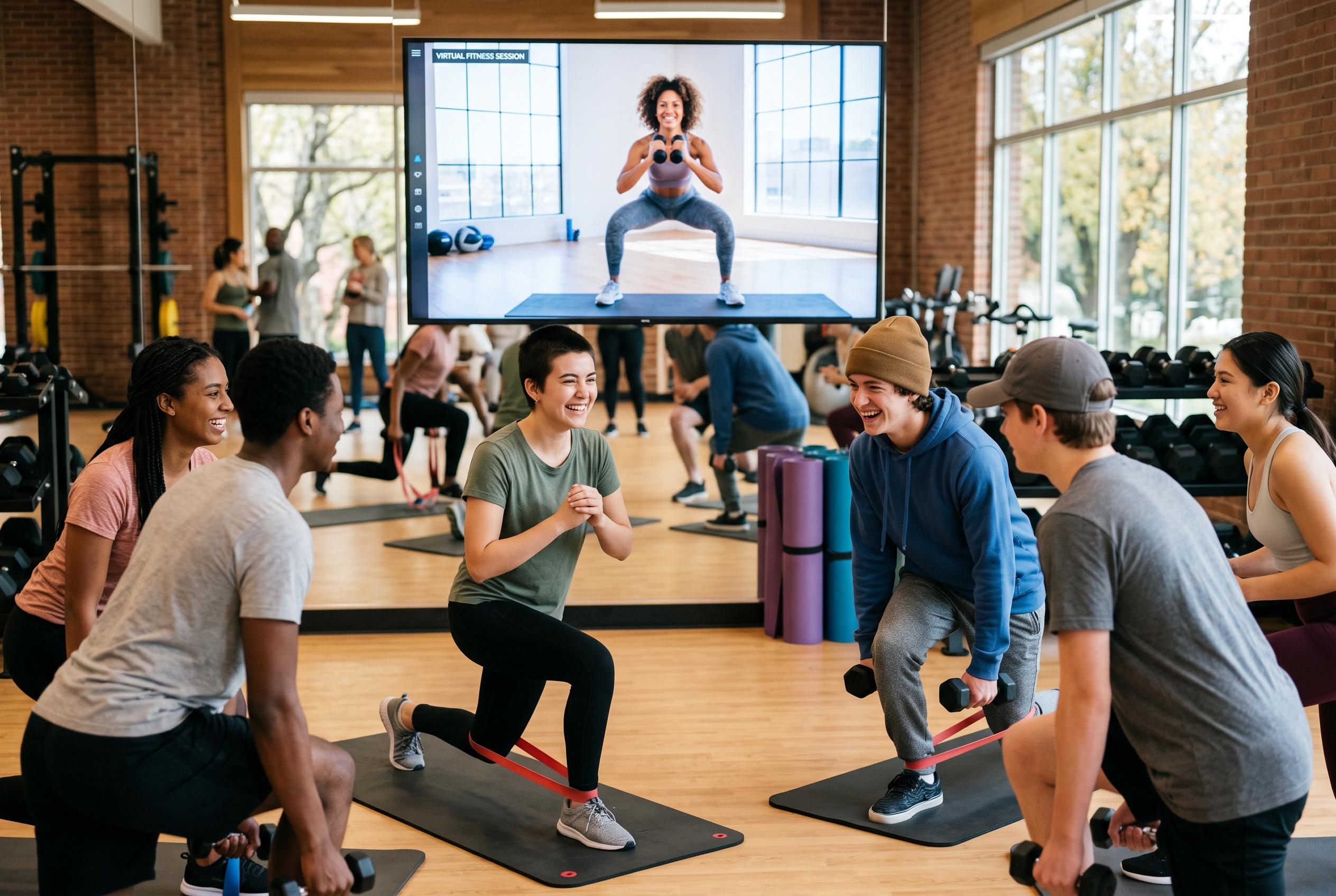
The programme will unfold in three phases. During the first four weeks, participants will meet their trainer twice a week on their own. In the next four weeks, they will split their time between individual and group sessions. In the final phase, they will join group activities while also being encouraged to continue one independent session a week. UFV says the aim is to build confidence as well as fitness, so that children can keep moving beyond the 12 weeks and into survivorship. The project is being funded by the Canadian Cancer Society and Michael Smith Health Research BC, which will help provide tablets and data for families who need them, along with other equipment such as fitness trackers.
Disclaimer: This content is for informational purposes only and is not intended to be a substitute for professional medical judgment, advice, diagnosis, or treatment.