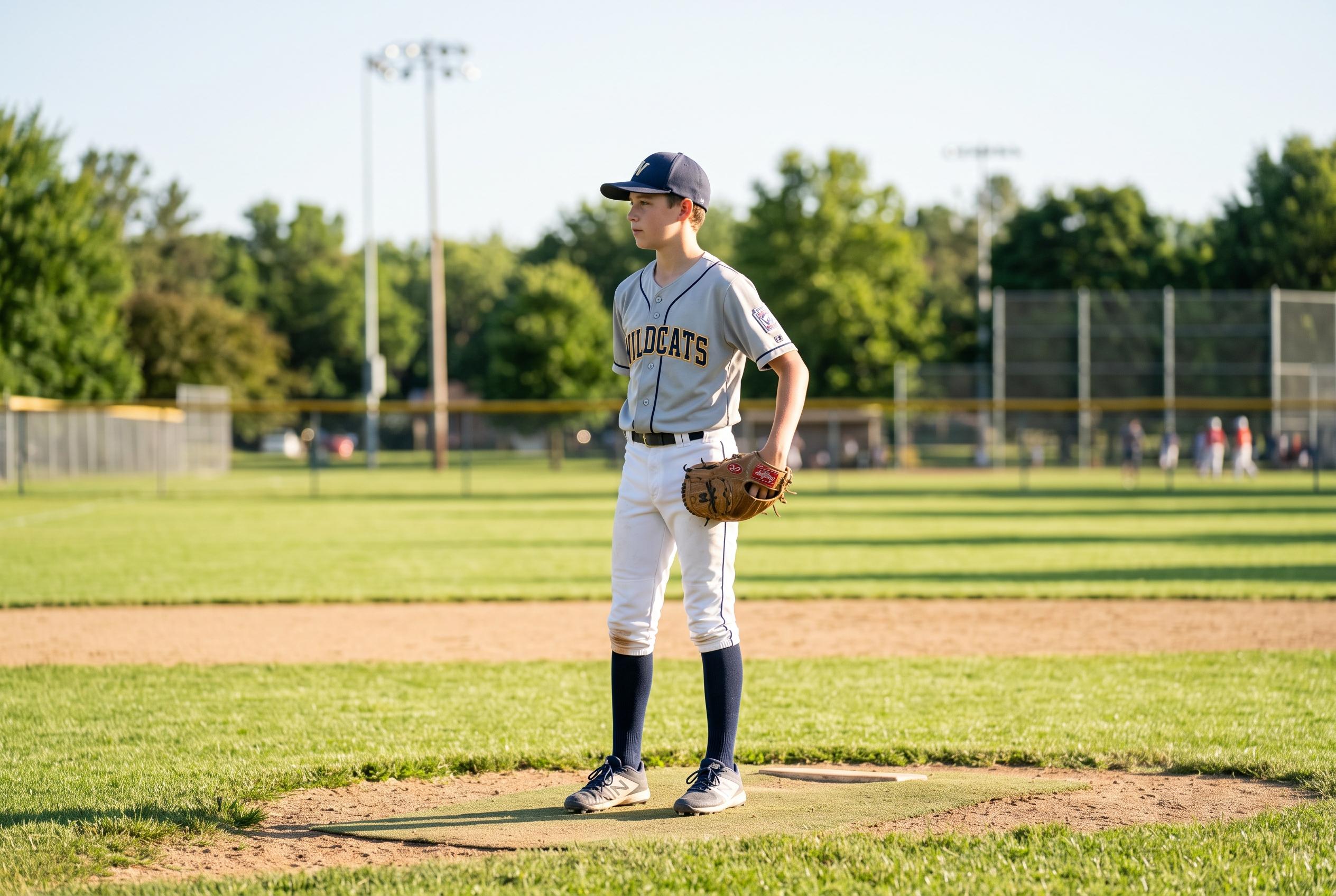

The death of Tommy John, the pioneering MLB pitcher whose name is now synonymous with elbow reconstruction, highlights a concerning increase in young athletes requiring Tommy John surgery due to overuse and high-velocity pitches, raising alarms among sports medicine experts.
Tommy John, the former Major League Baseball pitcher whose name became synonymous with elbow reconstruction, has died at 83, but his influence on the game and on sports medicine remains deeply embedded in baseball culture. According to The Associated Press, John was the first player to undergo the procedure in 1974, and the operation that helped extend his career has since become one of the sport’s best-known treatments. In western Missouri, that legacy is being remembered by people who work every day with young athletes and injured throwers.
At Rockhill Orthopaedics in Lee’s Summit, orthopaedic surgeon Wes Frevert says the surgery is still most closely associated with pitchers because of the repeated stress placed on the ulnar collateral ligament, the band of tissue on the inner side of the elbow that helps stabilise the arm. The procedure, known medically as ulnar collateral ligament reconstruction, replaces damaged tissue with a tendon from elsewhere in the body or from a donor. Major League Baseball says most players who have the operation eventually return to their previous level, though rehabilitation is long and demanding.
Frevert said the worry now is not only the number of adult players needing the operation, but the growing share of younger athletes facing the same injury. He described the trend as alarming and said local clinics are seeing the same pattern seen elsewhere in the country. He pointed to year-round play, the push for harder fastballs and the strain of too much throwing without enough recovery time as major contributors.
That warning was echoed by Gonzalo Gonzalez, the pitching coordinator at Precision Baseball Academy in Olathe, who works with players from childhood through college and also advises athletes in the minors and major leagues. Gonzalez said poor mechanics, weak conditioning and a rush to chase velocity often come before a player has built the strength and mobility needed to stay healthy. His advice to families is simple: do not put the cart before the horse. Frevert added that parents should keep an eye on pitch counts and make sure children get regular time off to rest and develop.
Disclaimer: This content is for informational purposes only and is not intended to be a substitute for professional medical judgment, advice, diagnosis, or treatment.