

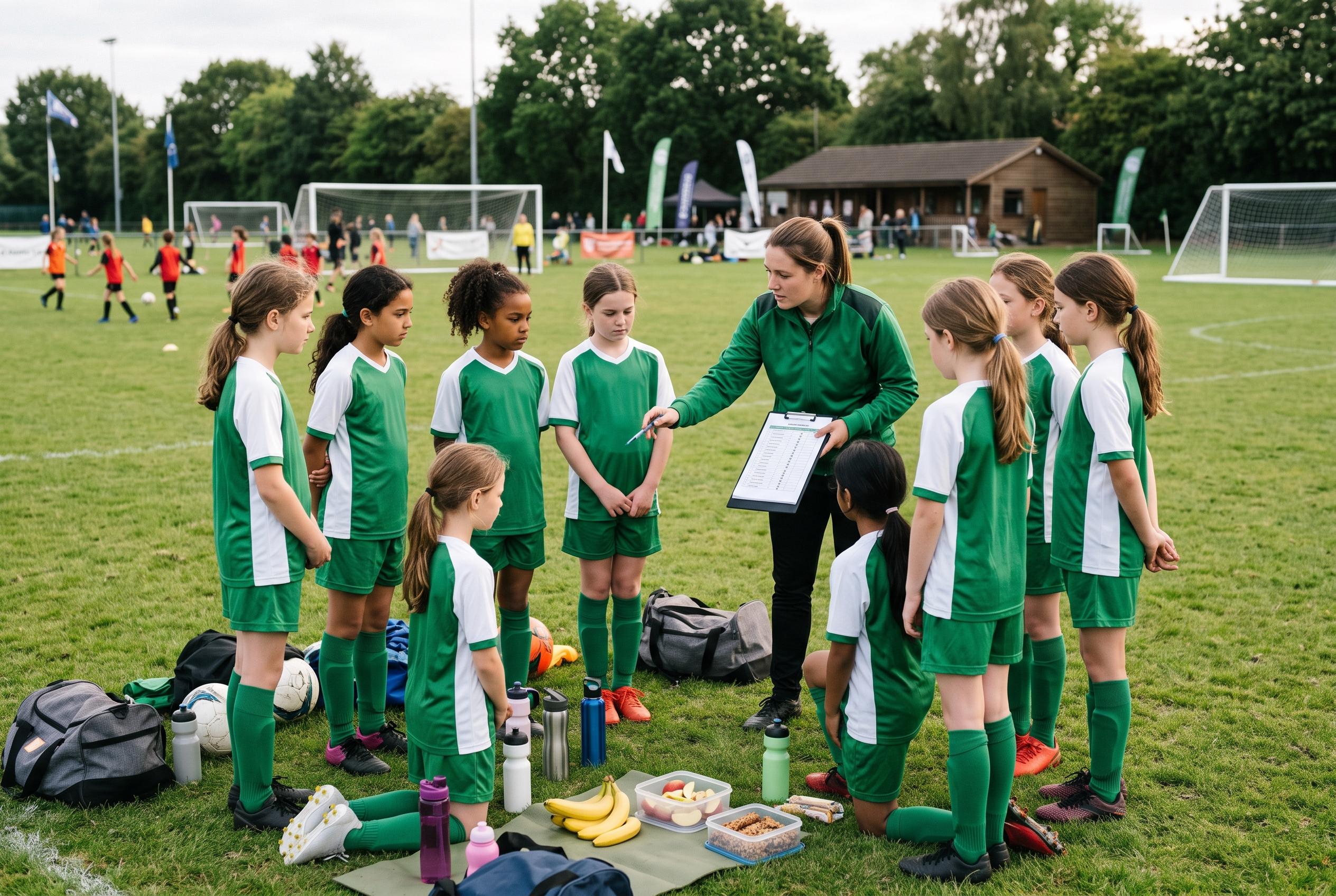

From matching kit and familiar meals to travel plans and recovery time, careful preparation can help young players stay focused and enjoy tournament weekends.
Preparing a youth soccer team for tournament season is as much about organisation as it is about ability on the pitch. Families that sort the practical details early usually arrive calmer, players tend to be more settled, and coaches can concentrate on match preparation rather than last-minute problems. That means thinking ahead about uniforms, food, travel, recovery and team morale well before the first whistle.
One of the simplest ways to reduce stress is to sort out kit early. Custom uniforms and matching sideline wear help a team look unified, and suppliers such as Quokka Prints say that ordering in bulk from a single source can also improve timing and consistency. A coordinated kit does more than create a polished appearance; it can strengthen team identity and give young players an added sense of belonging when they step on to the field.
Food planning matters just as much. Southwest Soccer Club advises parents to rely on familiar carbohydrates, steady protein and regular hydration so children can maintain energy without upsetting their stomachs. That might mean packing oatmeal, toast, rice, pasta, fruit, eggs, yoghurt, chicken or sandwiches rather than leaving meals to chance. Athleats, which focuses on tournament nutrition, recommends thinking in stages: fuel before games, hydrate with water and electrolytes during the day, and include protein afterwards to support recovery.
Tournament weekends also place a strain on travel and timing, especially when venues are unfamiliar or games are spread across several fields. Cast Sports, in its planning guidance for youth tournaments, says coaches and parents benefit from sharing schedules early, coordinating transport in advance and ensuring players arrive with enough time for warm-ups and team briefings. Clear communication can prevent confusion, reduce pressure on families juggling other commitments and help children reach the sideline ready to play.
Rest and recovery are just as important as logistics. Consecutive matches can leave young athletes tired, and coaches who rotate the squad carefully are better placed to protect performance over the full weekend. Basic steps such as regular hydration, shaded rest areas and cool-down stretching after each game can help players recover between fixtures. Beyond the practicalities, tournament season should still feel enjoyable, with team dinners or small group activities giving children a chance to build camaraderie and make the experience memorable as well as competitive.
Disclaimer: This content is for informational purposes only and is not intended to be a substitute for professional medical judgment, advice, diagnosis, or treatment.



