


Sweden’s Fritidskort scheme aims to make leisure activities more accessible for children from all backgrounds, but early evidence suggests targeted outreach is essential to close participation gaps and fully realise its social benefits.
Fritidskortet was conceived as one of the Tidö government’s major policies for children and young people, a way to help families pay for sport and other leisure activities so participation would not depend on household income. According to the scheme’s official website, every child is entitled to 550 kronor a year from the year they turn six until the year they turn 16, while families that received housing allowance or a supplement in the previous year may claim 2,500 kronor per child. The policy’s stated purpose is broad: to make organised leisure more accessible, whether through sport, culture or outdoor activities, and to bring more children into the associational life that shapes social ties and habits early in life.
That ambition matters because participation in sport has been falling and the gap between children from different backgrounds remains stark. The lead editorial from Barometern argues that children from poorer households are less likely to take part, exposing a clear inequality in who gets access to a meaningful spare time. Yet the same editorial says the early evidence suggests the support is not reaching the families most likely to need it. An item on Ekot, citing figures from P4 Malmöhus, reported that only 20 per cent of children in weaker socio-economic circumstances were using the benefit, compared with 30 per cent among other children.
The government has presented different signs of progress. In a press release on 7 September 2026, the government said more than 500,000 Fritidskort had been downloaded, which it described as evidence that many families are engaging with the initiative. The Swedish e-health agency said the programme was widened from 5 January 2026, with the general allowance increasing from 500 kronor to 550 kronor and the higher support for children in households that had received housing allowance or a supplement rising from 2,000 kronor to 2,500 kronor. Taken together, those changes show that the scheme has been adjusted and expanded, even if uptake among the least advantaged children still appears weaker than ministers would like.
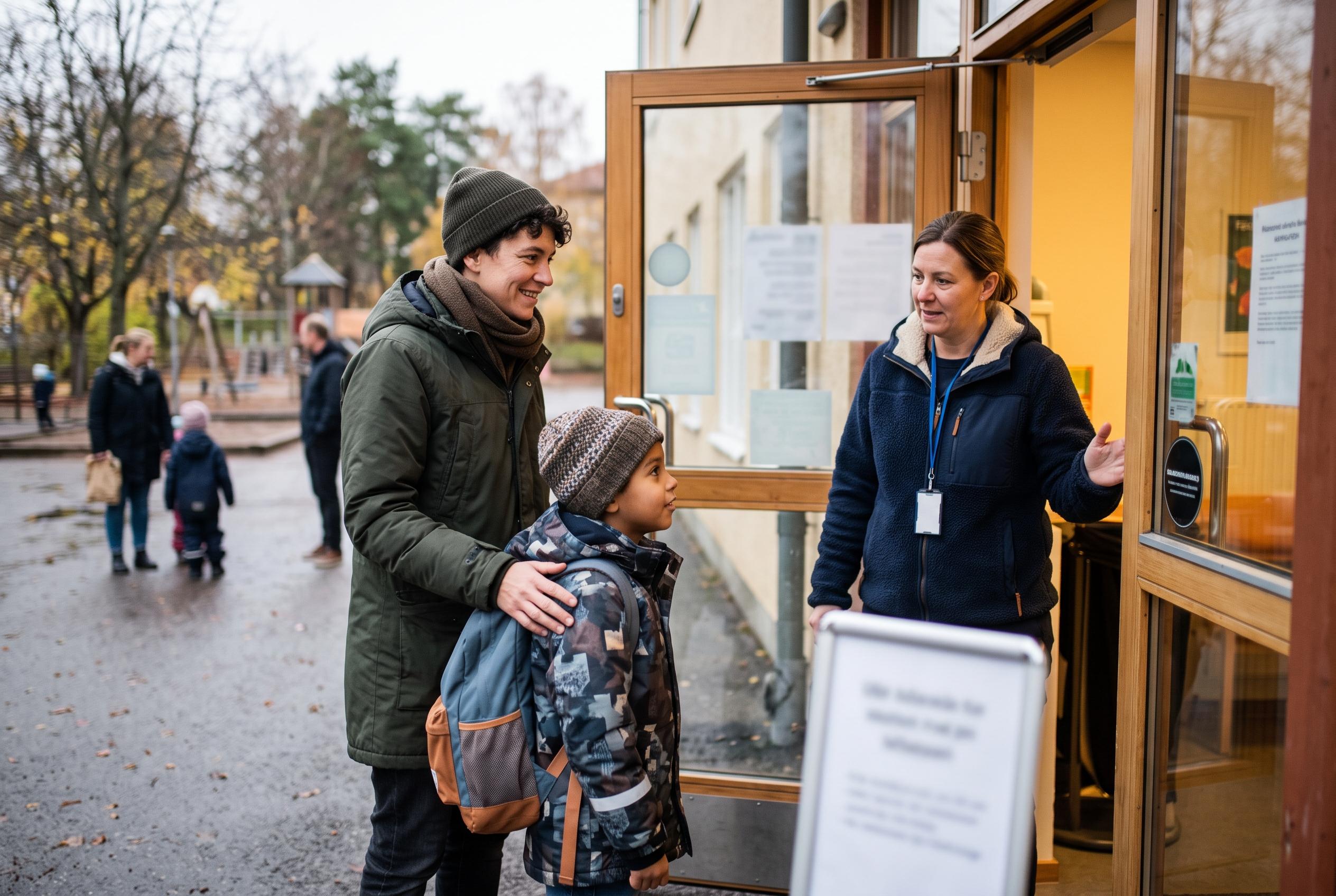
The question now is less about the scheme’s legitimacy than about how effectively it is being promoted. The editorial argues that schools and clubs are best placed to spread the word, since they are the organisations most likely to meet both children and parents directly. Municipal guidance already shows what that can look like in practice: Botkyrka municipality has advised parents about the card through its own channels, while the Swedish Climbing Federation has published instructions for clubs on how the funds can be used for regular activities, including fees and some equipment costs. That suggests the infrastructure for wider use exists, but the message still needs to travel further, especially to families that are least likely to hear about it first.
For the policy to work as intended, it will need more than funding alone. The state can finance the benefit, but local institutions may determine whether it reaches the children who stand furthest from organised leisure in the first place. The point, as Barometern puts it, is not only to get more children moving, but also to draw more of them into a civic and social world that can offer confidence, friendship and structure. If Fritidskortet is to fulfil that promise, it will need a more forceful and better targeted effort from schools, clubs and public agencies alike.
Disclaimer: This content is for informational purposes only and is not intended to be a substitute for professional medical judgment, advice, diagnosis, or treatment.



