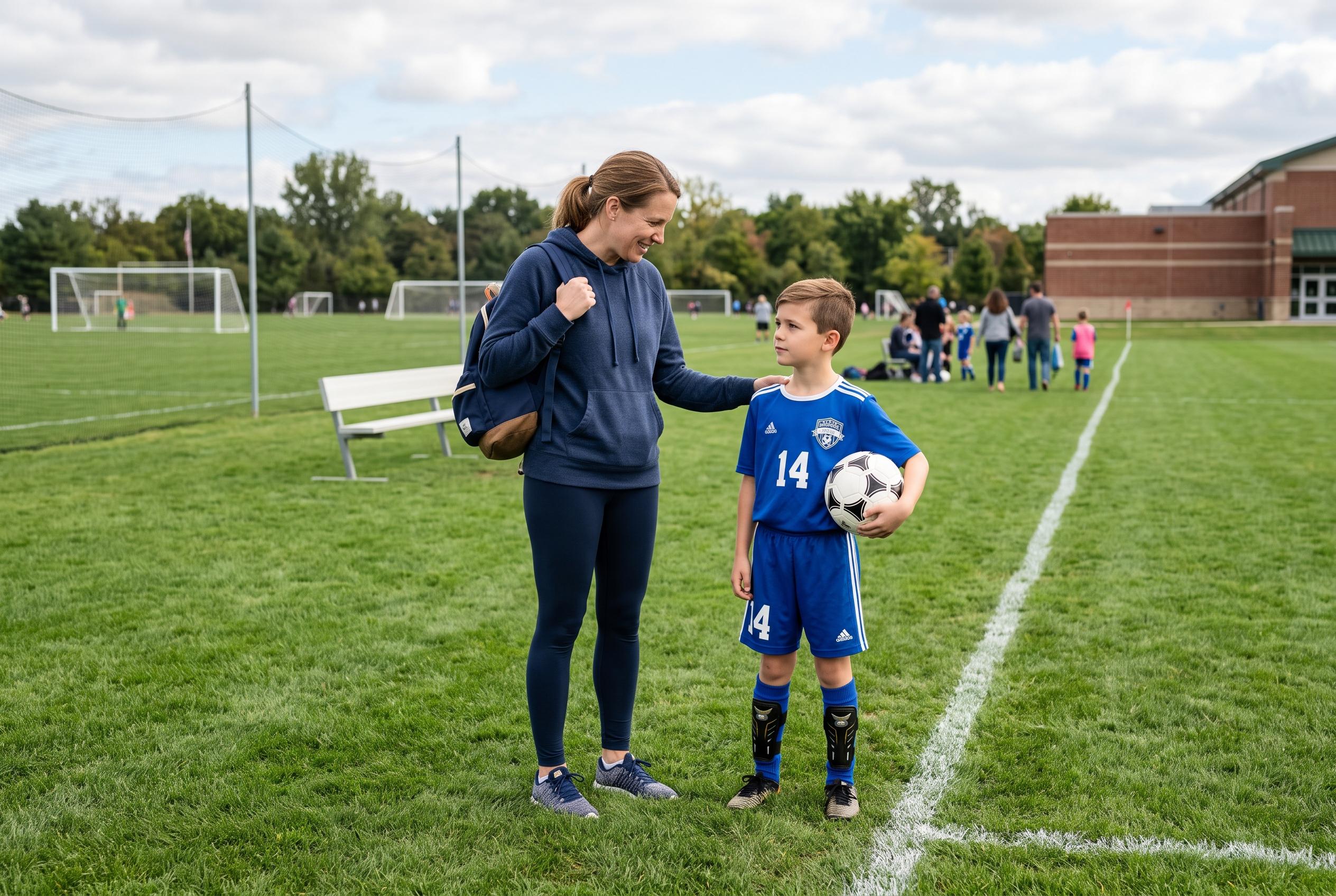

Parents and coaches can transform tryout anxiety into a positive experience for children by modelling calm, focusing on effort, and maintaining steady expectations, with simple routines and supportive conversations making a significant difference.
Tryout nerves are almost inevitable, and that is usually a sign a child cares rather than a warning that something is wrong. Parents and coaches who treat anxiety as normal, rather than as a problem to be fixed, can often help young athletes channel that energy into concentration and effort.
Much of the stress starts at home, long before the first drill begins. According to TeamGenius, tryouts become far more daunting when families frame them as a defining moment. A calmer message works better: show up prepared, listen, work hard and enjoy the experience. Children also tend to feel more secure when parents keep expectations steady instead of turning one session into a verdict on their sporting future.
Preparation matters, but it does not need to be complicated. Children’s Health in Dallas recommends balanced training, good nutrition, hydration and mental rehearsal such as visualisation and slow breathing. Those basics, combined with regular practice over time, give youngsters something more useful than last-minute cramming: familiarity. A child who has built habits throughout the season is more likely to walk in feeling ready, even if nervous.
The practical details count as well. TeamGenius notes that sleep, routine, organised kit and an early arrival can remove avoidable pressure on tryout day. So can keeping screens off late at night and making sure meals are familiar and balanced. Small routines help the day feel normal, which often matters more than any motivational speech.
What parents say in the car or on the sideline can shape how a child performs. Better Hockey, which writes about youth hockey, advises adults to focus on controllable things such as effort, communication and composure, rather than perfection. That approach is echoed by Youth Inc., which says children often stand out when they make eye contact, show confidence and give full effort. In other words, the goal is not to eliminate nerves, but to stop them from becoming the story.
After the tryout, the most helpful response is usually restraint. TeamGenius and Better Hockey both stress that the ride home is not the time for a detailed critique, whether the child felt they excelled or struggled. A short, supportive conversation later is far more useful, especially when it reinforces that one session does not define an athlete. As Psychology Today has noted, tryout pressure can trigger physical anxiety that affects performance, which is another reason perspective matters. The best outcome is often a child who leaves knowing they were backed, not judged.
Disclaimer: This content is for informational purposes only and is not intended to be a substitute for professional medical judgment, advice, diagnosis, or treatment.