

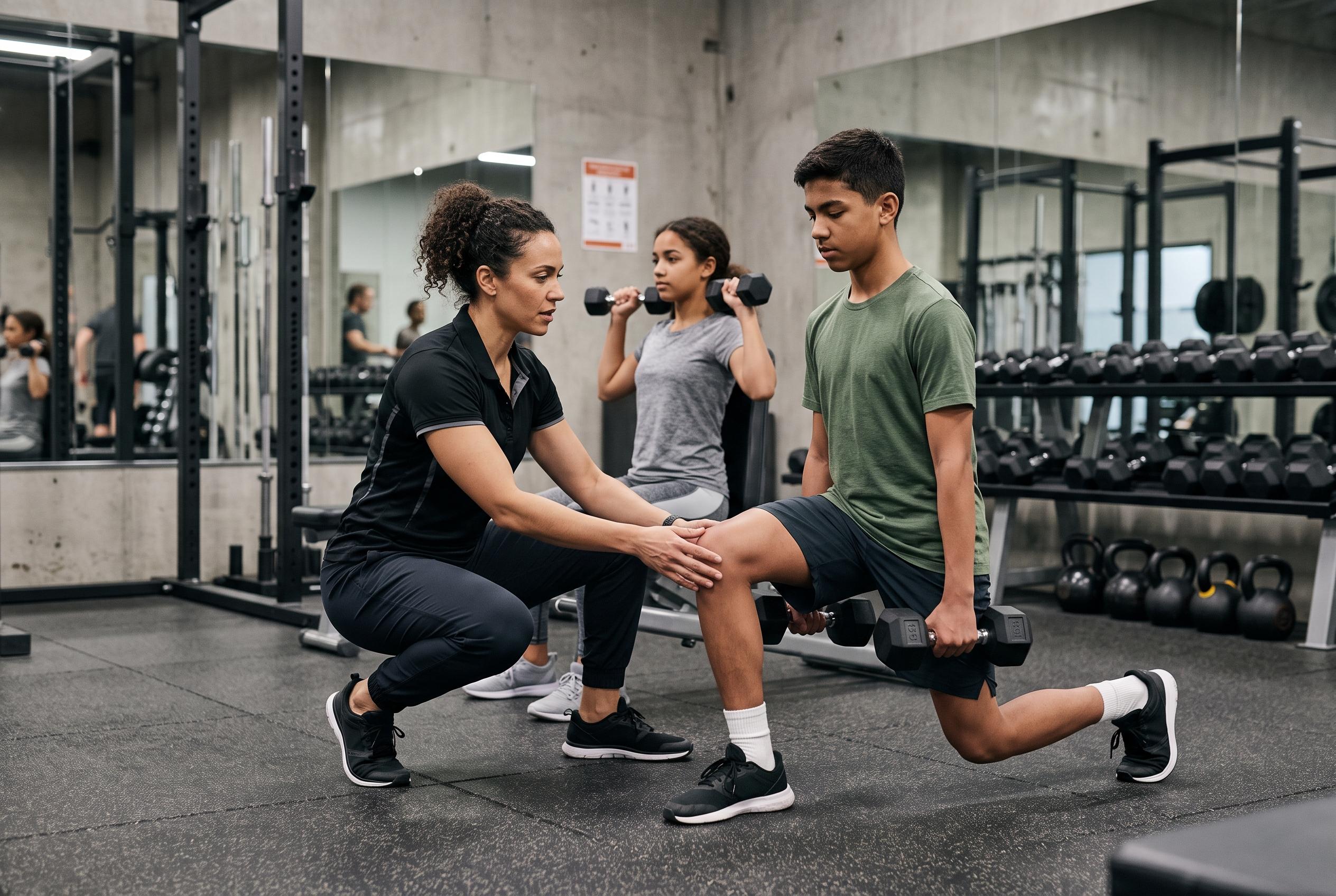

With proper supervision, technique, and gradual progression, resistance training can be a safe and effective way to enhance strength and fitness among adolescents, according to leading health organisations.
Weight training can be safe for teenagers, provided it is properly supervised, the emphasis stays on technique and the load increases gradually. That is the broad conclusion reached by major health and strength bodies, including the National Strength and Conditioning Association, the Mayo Clinic and the American Academy of Pediatrics. Their guidance is consistent on one central point: the greatest risks come not from resistance training itself, but from poor coaching, bad form, unsupervised lifting and trying to do too much too soon.
The National Strength and Conditioning Association says a well-planned youth resistance programme is relatively safe, while the Mayo Clinic says strength training can improve muscle strength, overall fitness and protection against sports injuries when done correctly. The American Academy of Pediatrics also supports resistance training for children and adolescents, but stresses that a qualified adult should supervise sessions and that proper technique must come before heavier weights. In practice, that means the question is not whether teens should lift at all, but how they are taught to do it.
One persistent concern among parents is whether lifting weights can stunt growth or damage growth plates. The American Academy of Pediatrics and the National Strength and Conditioning Association both say there is no evidence that sensible resistance training harms normal growth or maturation. Growth plates do need respect, however, because they are still developing tissue and can be vulnerable if a teen is asked to lift too heavily or uses poor form. That is why experts repeatedly return to the same theme: supervision matters.
The real dangers are usually predictable. The American Academy of Pediatrics says injuries are more likely when teenagers train on their own, attempt maximal lifts before they are ready or skip the developmental steps that should come first. The Mayo Clinic likewise recommends starting with light weights, warming up before each session and cooling down afterwards. Guidance from both organisations also points to appropriate programming, rather than one-off heroics, as the safest route to progress. In other words, the problem is usually the setup, not the strength work itself.
Most expert guidance converges on a few practical rules. Sessions should usually happen two to three times a week on non-consecutive days, with enough rest between workouts for recovery. Beginners often start with one to two sets of moderate repetitions before building up, and resistance should rise only when form remains solid. The American Academy of Pediatrics has also advised that programmes be age-appropriate and, in group settings, closely supervised, with explosive lifts such as Olympic-style movements delayed until after the growth spurt.
Parents should also watch for warning signs that a teenager is overdoing it. Sharp pain, lingering joint pain, swelling, limping, dizziness, chest pain or unusual shortness of breath should never be ignored. Nemours KidsHealth advises young athletes to stop if they feel pain or notice a pop during exercise, and the American Academy of Pediatrics recommends medical review for any illness, injury or overuse issue before returning to training. Normal muscle fatigue is one thing; persistent pain or a change in movement is something else entirely.
For families weighing up a strength programme, the coach is as important as the exercises. A good programme should be led by someone with experience of young athletes, who can watch every rep, teach movement patterns carefully and add resistance in small steps. It should also fit around the teen’s sport, school and recovery needs. The Mayo Clinic notes that strength training can do more than build muscle: it may also improve endurance, confidence and general health when it is approached with patience and discipline.
For most teenagers, then, the answer is yes: weight lifting can be safe and beneficial. The evidence points to the same formula across organisations and age groups , supervision, sound technique, gradual progression, sensible rest and appropriate medical clearance when needed. Done that way, resistance training can help young athletes become stronger, more resilient and better prepared for the demands of their sport.
Disclaimer: This content is for informational purposes only and is not intended to be a substitute for professional medical judgment, advice, diagnosis, or treatment.



