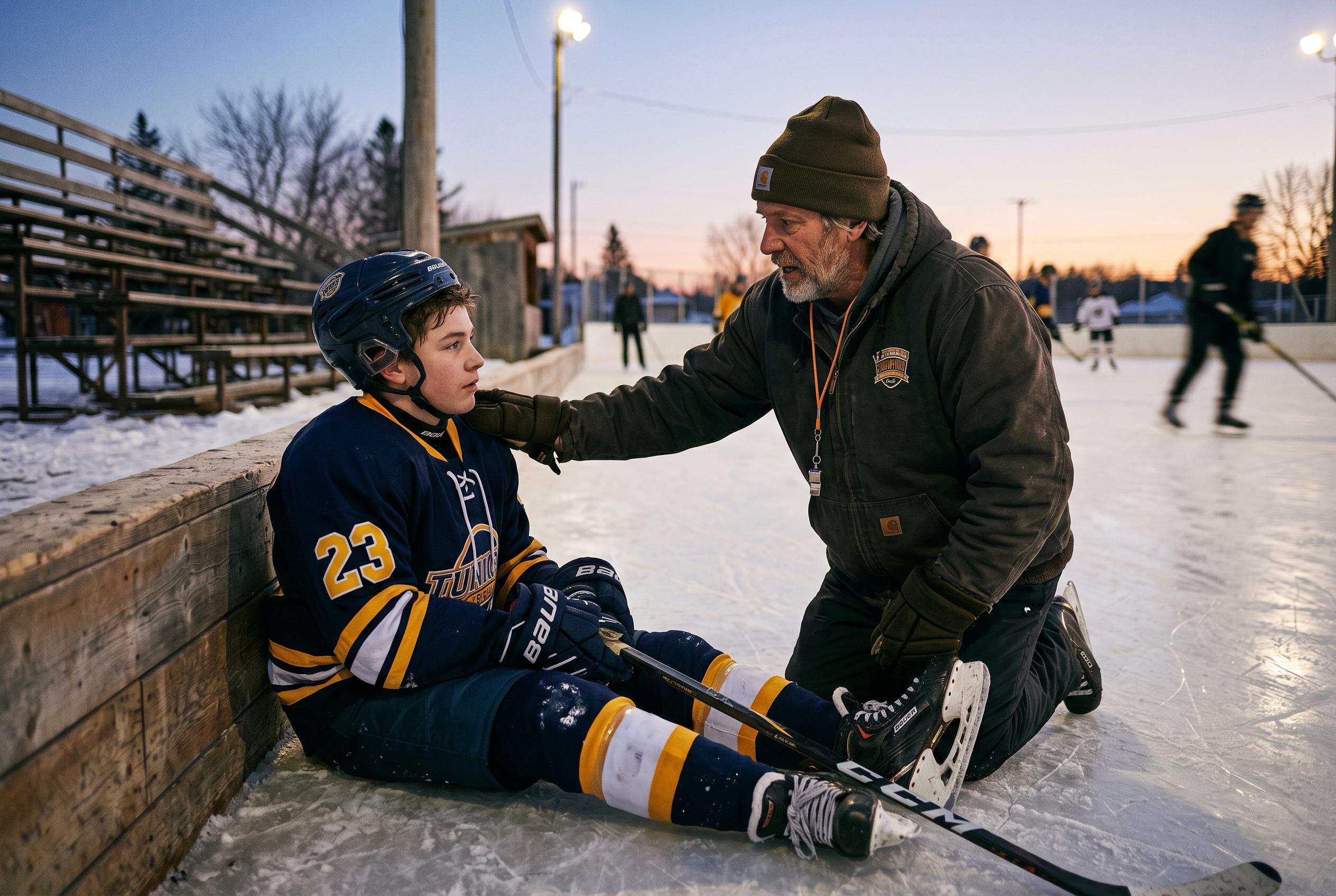

A McGill-led research advocates for a cultural shift in Canada’s elite junior hockey system, emphasising character-building and psychosocial growth to complement athletic success and foster healthier players both on and off the ice.
A McGill University-led study says Canada’s elite junior hockey system would benefit from putting as much weight on character and personal growth as on performance. The research suggests that a culture focused on winning can crowd out the wider development of male players aged 15 to 17, with consequences that may extend beyond the rink into team dynamics and off-ice behaviour.
Published in Psychology of Sport and Exercise, the study is based on interviews with six coaches and administrators from across Canada who were recognised for developing athletes both on and off the ice. Their view was that elite programmes should not stop at technical and tactical instruction. They argued for stronger emphasis on leadership, teamwork, character formation and psychosocial well-being, with positive team culture seen as central to producing healthy players.
Gordon Bloom, a professor and chair of kinesiology and physical education at McGill and director of its sport psychology laboratory, said the findings showed that better hockey players and better people need not be treated as separate goals. Speaking about the study, Bloom said participants generally believed the two reinforce one another, even if a win-first mentality often creates the impression that organisations must choose between them.
The researchers, including first author Marc Glaude, a McGill PhD candidate, and Joseph Baker, a professor of sport science at the University of Toronto, say Hockey Canada should take a stronger national lead in promoting that broader approach. They point to clearer coaching standards, more consistent messaging, stronger support systems, greater parental involvement and practical resources aimed at team culture, leadership and athlete welfare. Hockey Canada’s own long-term player development model says hockey should be player-centred and viewed as a long-term process, while Sport Canada’s framework places physical, mental, emotional and cognitive development at the heart of youth sport. Still, the study found that short-term pressure, draft hopes and a deeply rooted winning culture can start shaping players as early as 13, intensify during the 15-to-17 age bracket and increase the risk of burnout and reduced social development.
Disclaimer: This content is for informational purposes only and is not intended to be a substitute for professional medical judgment, advice, diagnosis, or treatment.