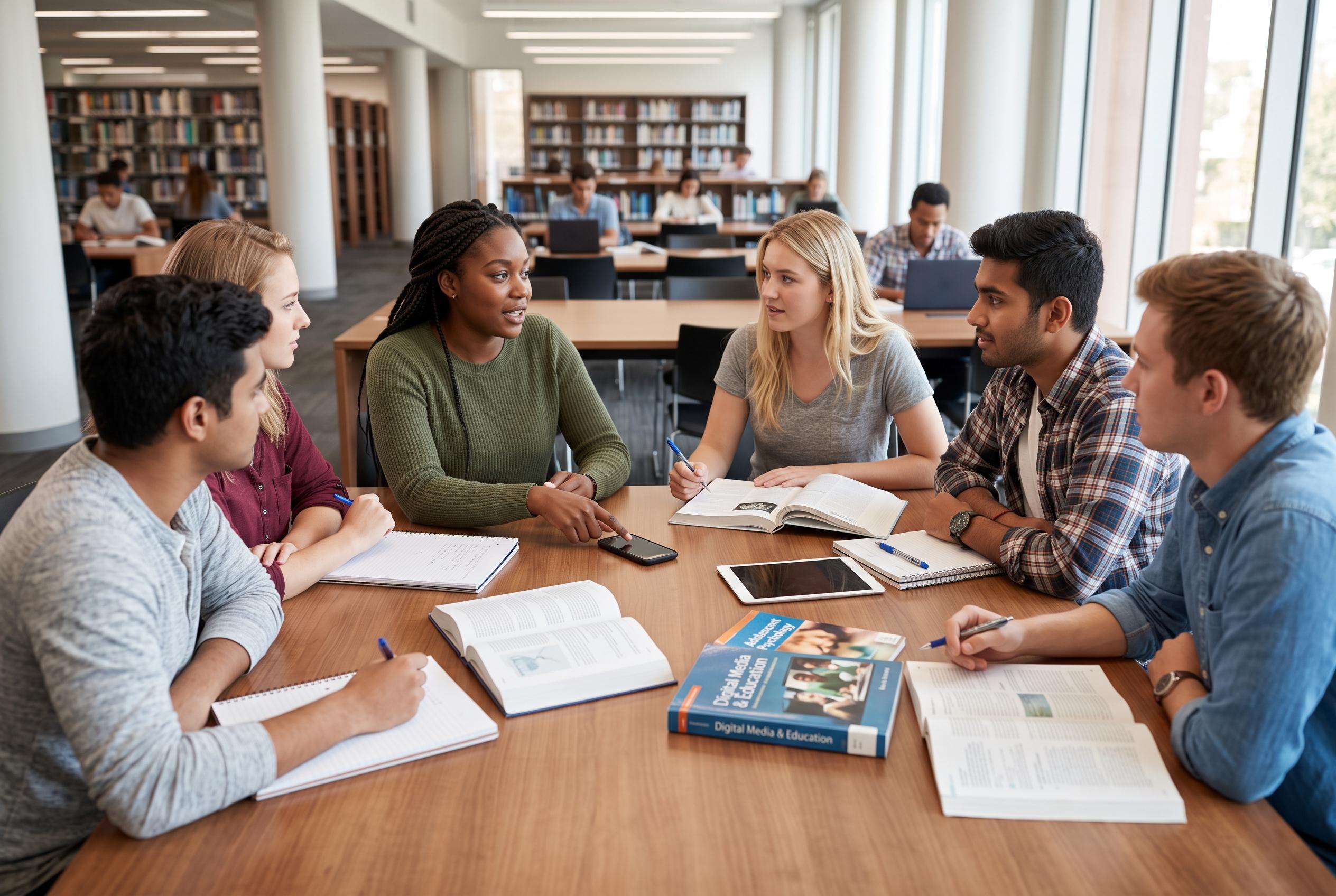

As US schools implement stricter phone bans, debates emerge over their impact on academic performance and mental health, prompting calls for more inclusive, social-focused approaches.
As millions of pupils return to class, schools across the US are entering a new era in which phones are increasingly kept out of sight, but not everyone believes that is the whole answer. The Guardian reported that at least 39 states and Washington DC now have some form of school phone restriction, yet students involved in the debate say the policies work best when they are shaped with young people, not simply imposed on them.
That concern is echoed by newer research. Axios reported that a study in Arizona found phone use fell after restrictions were introduced, but there was no clear improvement in grades or attendance. Stanford Impact Labs said a separate analysis of more than 43,000 middle and high schools found that strict rules, including lockable pouches, reduced phone use during the school day but did not materially lift test scores, attendance or classroom attention. The Stanford Graduate School of Education reported similar findings, adding that early bumps in disciplinary problems and lower well-being eased over time, with student well-being improving by the third year.
For some students, the most important issue is not simply whether phones are banned, but what replaces them. In California, Elise Choi of GENUp has argued for digital wellness education alongside limits on device use, saying students need to understand how social media and artificial intelligence affect mental health. Other young organisers have pushed for policies that preserve breaks and lunch-time socialising rather than locking devices away all day, reflecting a belief that the social damage can extend beyond lesson time.
That wider view is shaping new programmes meant to make phone-free schools more workable. In New York, the Teen Tech Council created by #HalfTheStory has backed dozens of campuses with mini-grants for arts activities, scavenger hunts and other offline projects. Students interviewed by The Guardian said those efforts helped fill a gap left by the loss of screen time, while also giving quieter pupils better ways to connect. For them, the challenge is not just reducing scrolling, but building school days that feel more humane, more social and less isolating.
Disclaimer: This content is for informational purposes only and is not intended to be a substitute for professional medical judgment, advice, diagnosis, or treatment.