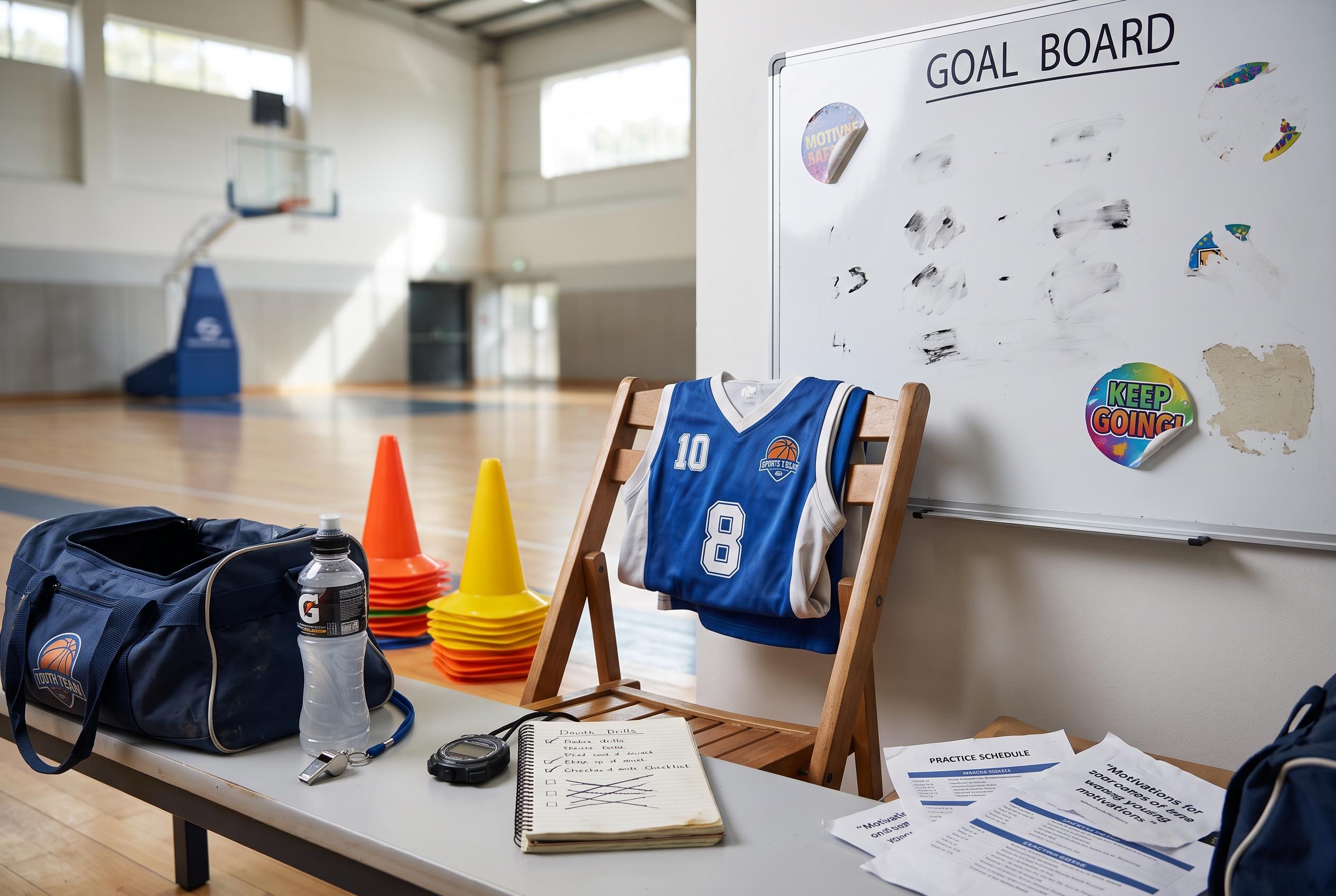

A recent survey highlights a sharp increase in stress, concentration issues, and declining motivation among young athletes in Czech sports clubs, raising concerns over the psychological impact of organised sport on children.
Nearly 60% of sports clubs in the Czech Republic say children in their ranks are less able to cope with stress, according to a survey by the Czech Union of Sport that reached more than 2,000 clubs and physical education units. Coaches and club officials also reported growing problems with concentration and motivation, suggesting that some young athletes are struggling not only with competition but with the routine demands of regular training.
The union said the latest findings mark a clear deterioration from 2024, when 37% of clubs reported weaker stress resilience among children. This year, 15% answered yes outright and 43% said probably yes, while separate union figures also pointed to widespread concerns over attention, self-confidence and mental health. The pattern suggests that the pressures affecting children are becoming more visible inside organised sport, rather than being confined to schools or the home.
Jan Boháč, the union’s chair, said the results were “honestly worrying” and argued that the issue now reaches beyond sports clubs to society more broadly. He said children need to be encouraged into movement from an early age and given more chances to join organised sport, where they can learn skills that matter throughout life, including in the labour market. The union also said coaches should not be left to handle these problems alone and need better training, guidance and access to experts.
Club representatives described the change in day-to-day terms. Petr Synek of Sokol Děhylov said children were increasingly treating sport as a recreational club activity rather than a place to build performance, with weaker motivation to improve, take part in tournaments or turn up consistently for training. The union says organised sport helps children manage pressure, accept defeat, work in teams and build self-confidence, but its leaders now say those benefits depend on creating the right conditions and giving coaches greater support and standing.
Research cited in the materials points in the same broad direction, while also underlining that the picture is not simple. Studies published in recent years have found links between physical activity and stronger resilience, as well as better mental health and coping skills among children and adolescents. But a recent review also said evidence remains mixed and called for more research into how sport affects young people’s psychological wellbeing, suggesting that participation alone is not a cure-all.
Disclaimer: This content is for informational purposes only and is not intended to be a substitute for professional medical judgment, advice, diagnosis, or treatment.