
As back-to-school promotions intensify earlier each year, experts warn they reinforce childhood anxieties and exploit children’s perceptions of time, calling for a more sensitive approach to seasonal marketing.
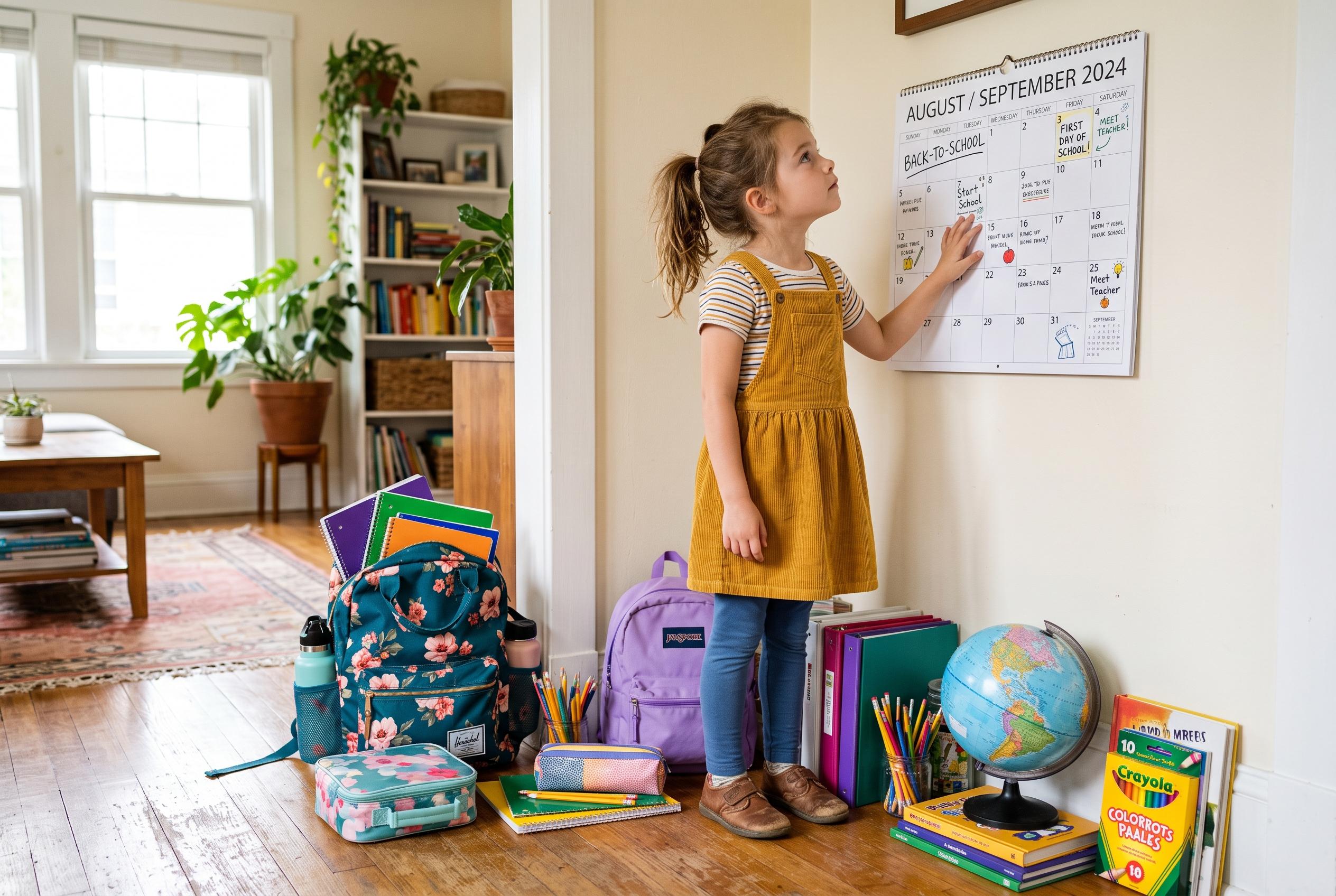
Every August, children are told in a thousand small ways that summer is running out. Shop windows change, television breaks fill with offers for uniforms and stationery, and the phrase “back to school” starts appearing long before term time actually arrives. That seasonal drumbeat can feel harsher to children than adults realise, because it signals the return of rules, routines and pressure long before the final days of freedom have gone. The columnist argues that children already understand what is coming, and do not need the reminder.
School itself, of course, is not a simple experience. For some pupils it is a place of friendship, sport and the rough-and-ready thrill of play; for others it is a grind of tests, homework and embarrassment. The personal recollections in the lead article capture that split sharply, contrasting the joy of playing football with the misery of academic failure and classroom humiliation. That tension helps explain why a phrase that sounds harmless to adults can land badly with children who are already counting down the last days of summer.
The wider advertising world is built around that same seasonal anxiety. The American Academy of Pediatrics has warned for years that children are immersed in advertising across television, the internet and even schools, and that repeated exposure can shape choices about food, drink and other products. It also notes that media literacy can soften some of those effects. HealthyChildren.org, an American Academy of Pediatrics resource, says digital marketing is now woven into apps, games, social media and connected devices, often in ways children barely recognise as advertising at all.
That matters because back-to-school campaigns are rarely neutral. Research cited by the American Academy of Pediatrics links marketing of unhealthy products with poor nutrition and other negative outcomes for young people. Separate reporting on school-season advertising has shown that brands increasingly try to sound reassuring, especially when families face uncertainty, while still pushing shoppers towards the same annual buying cycle. LG Ad Solutions has also found that many parents begin shopping well before term starts, with some starting months in advance, which helps explain why the seasonal push appears so early and so relentlessly.
The point, then, is not to pretend school will not restart. It is to stop turning the end of summer into a public countdown that children cannot escape. They know the holiday is finite. They can feel September coming. They do not need every advert, shop display and passing announcement to tell them the same thing.
Disclaimer: This content is for informational purposes only and is not intended to be a substitute for professional medical judgment, advice, diagnosis, or treatment.