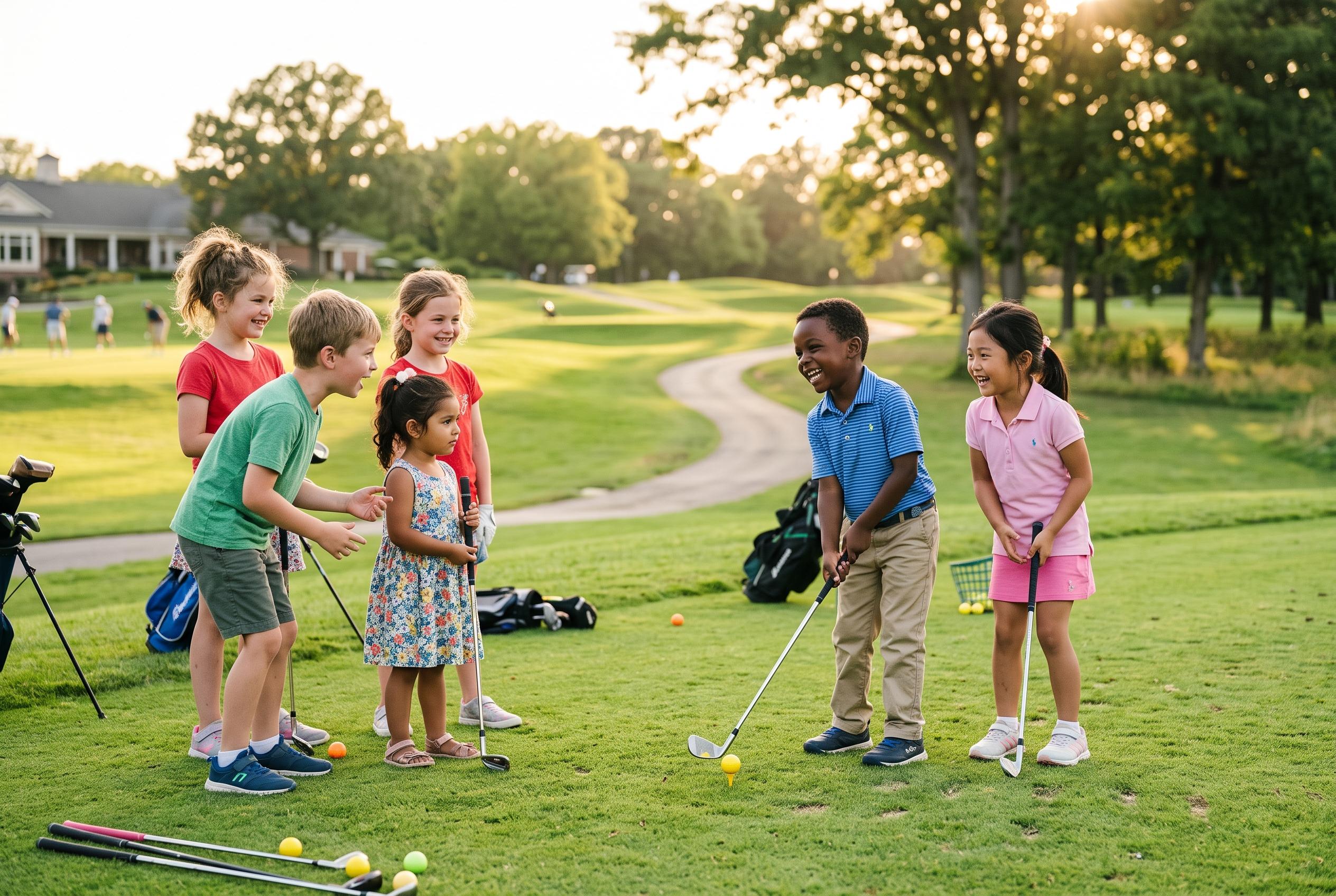

Experts caution that the ideal age to introduce children to golf varies, emphasising readiness, engagement, and fun over specific ages to ensure a safe and enjoyable experience for young players.
Parents often ask when a child should begin golf, but the answer is less about birthdays than readiness. The advice from MyGolfSpy is that there is no single right age; what matters more is whether a child can move a club, follow simple instructions and stay engaged long enough for the session to be safe and enjoyable.
That approach is backed by other golf guides that treat early exposure as play rather than formal coaching. GolfHubz says children can be introduced to the basics at around three to four years old, while more structured lessons are usually better suited to six- to eight-year-olds. Little Links makes a similar case, saying the key issue is not age but whether the child is interested, attentive and safe in a supervised setting.
The practical side matters just as much as the developmental one. The American Development Model’s Active Start stage encourages organised physical activity for toddlers and preschoolers, alongside plenty of unstructured active play, because balance, coordination and movement skills begin developing early. GolfDigest has also noted that junior golf is helped by general fitness, flexibility and body control, not simply repetition with a club.
For very young children, that means golf sessions should be short and playful. MyGolfSpy’s advice is that a two-year-old does not need to practise for an hour; 10 or 15 minutes may be enough. The goal is to end while the child still wants more, whether that means hitting a few balls, putting indoors or simply learning how to set up a tee.
The broader point, echoed by several of the guides, is that starting early does not guarantee an advantage. Some elite players did not begin until their teens, yet many children who start young lose interest if the game feels like work. The strongest foundation, the articles suggest, comes when parents and coaches keep the experience fun, safe and low-pressure, so golf becomes something children want to return to.
Disclaimer: This content is for informational purposes only and is not intended to be a substitute for professional medical judgment, advice, diagnosis, or treatment.