


Spokane Public Schools’ consideration of later start times for middle and high schools reveals a multifaceted challenge, balancing sleep science, family routines, logistical constraints, and community needs in a contentious scheduling debate.
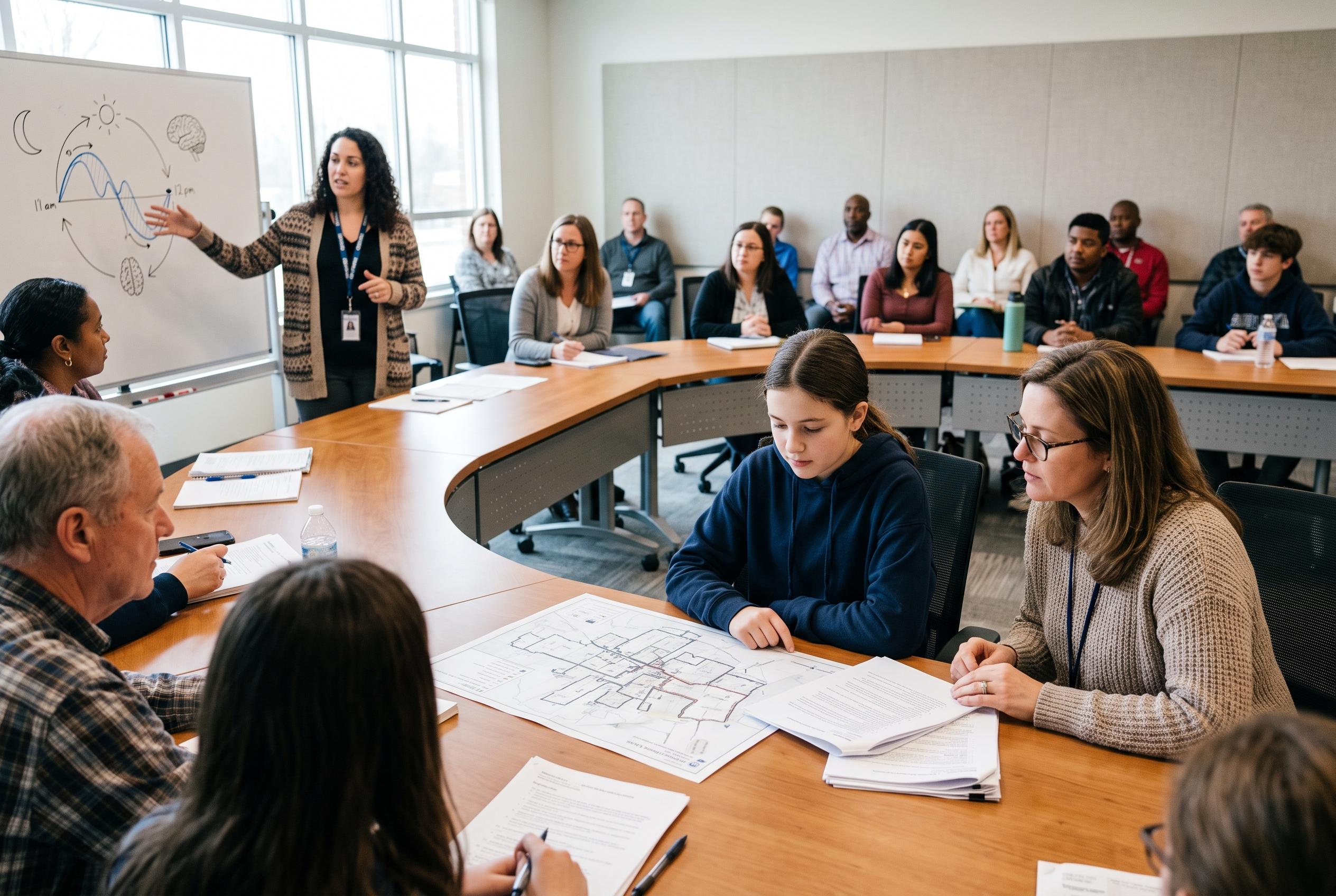
Spokane Public Schools’ debate over new start times has exposed a familiar problem: the science points one way, but daily life points in several others. In a column for The Spokesman-Review, Chris Jacobsen and Chris Ehrlich said their district work group spent four months hearing from educators, students, families and staff before reaching a blunt conclusion: there is no easy fix. That caution sits alongside a strong body of sleep research, which the Sleep Foundation and the American Academy of Pediatrics say supports later starts for middle and high school students because teenagers’ bodies are wired to fall asleep later and get more rest when school begins later.
Jacobsen and Ehrlich said the most persuasive part of the discussion was not the research alone, but what students themselves described. Many are already juggling classes, sport, work, homework and family duties, and several said a later start would not necessarily lead to earlier bedtimes. The authors argued that a later dismissal could also cut into afternoon competitions, jobs and responsibilities at home. The broader research, however, generally points to benefits from modest delays: a review in PubMed Central found that pushing start times back by 25 to 60 minutes increased sleep and reduced sleepiness, while other studies have linked later starts with better attendance, less tardiness and fewer reports of dozing in class.
Family circumstances added another layer of complexity. The column said childcare costs, transport and household routines can change sharply depending on whether elementary, middle and high schools begin earlier or later. The authors noted that single-parent households, split homes and families with children in special education may experience the same schedule very differently. That concern echoes the wider debate, in which public health advocates favour later starts for adolescent health, but school systems must also account for the practical effects on younger pupils and the adults who care for them.
Staff and transport constraints may be the hardest part to solve. Jacobsen and Ehrlich said teachers and support staff have to cover supervision before and after school, breakfast service, snow clearing, building clean-up and activities that run into the evening. Spokane Public Schools is also working within a transport system of 149 buses, a point the district has highlighted as it studies new schedules. The question is not only when students should arrive, but whether the buses, drivers and activity schedules can realistically support the plan.
That is why the authors framed the issue as a series of trade-offs rather than a choice between good and bad. Later secondary starts may fit sleep science better, but they can squeeze athletics, jobs and family obligations. Earlier starts preserve more afternoon time, but move further from medical guidance. Elementary schedules create their own pressures, from childcare to winter darkness. The work group’s message to the school board was not to chase one benefit in isolation, but to choose a schedule that protects learning, safety, family needs and access to school life as a whole.
Disclaimer: This content is for informational purposes only and is not intended to be a substitute for professional medical judgment, advice, diagnosis, or treatment.



