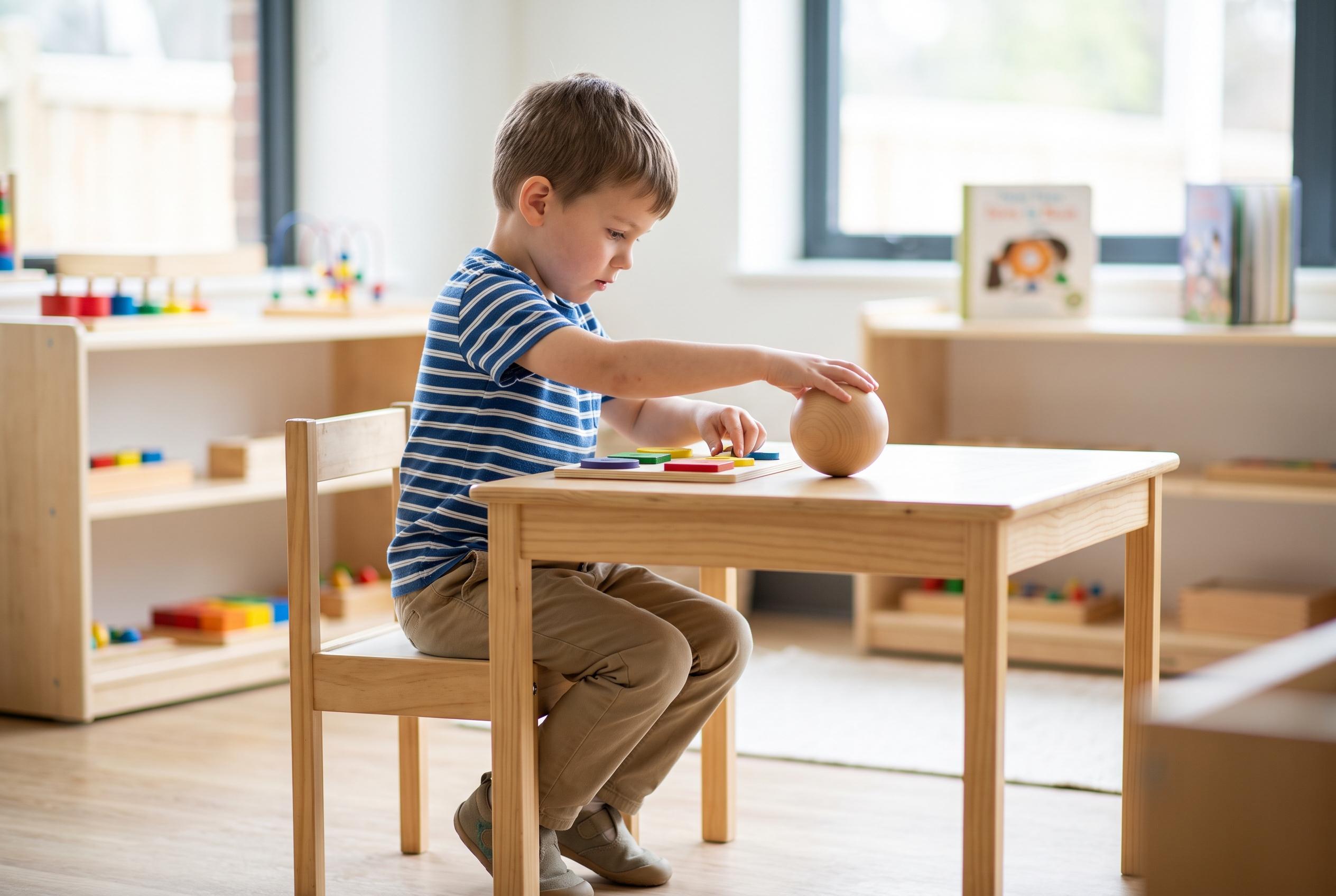

Research reveals that short, combined movement and cognitive exercises significantly enhance children’s mental skills, outperforming standard physical activity in improving focus, memory, and impulse control.
A few minutes of jumping, clapping or balancing may do more than burn off energy. Research suggests that when children combine movement with a mental challenge, the effect on executive function is stronger than exercise alone. Executive functions are the mental skills that help children remember instructions, control impulses and shift between tasks, and they are closely linked with school readiness and classroom behaviour, according to the studies summarised in the supplied research.
The clearest evidence comes from pooled research on structured physical activity in children. A PubMed-indexed meta-analysis found that regular activity was associated with measurable gains in inhibitory control, working memory and cognitive flexibility. A 2024 review in Frontiers in Psychology also reported that interventions pairing movement with a thinking task produced better results than exercise without the cognitive element, with the strongest effects seen in inhibitory control and working memory.
That does not mean every kind of movement works equally well. The studies point towards simple, body-based exercises that force a child to plan, coordinate and respond. Cross-lateral actions such as touching the left knee with the right hand, balance drills with counting tasks, and rhythm games involving clapping or stepping sequences all fit that pattern. By contrast, active video games, where a screen drives much of the action, appear less effective than real-world movement that requires the child to generate and manage the response.
Dose matters, but not in the way parents might assume. The research reviewed in the supplied material suggests that frequency is more important than long single sessions. Programmes repeated more than twice a week performed better than less frequent ones, while sessions under 20 minutes still delivered benefits. A recent network meta-analysis also indicates that the type and dose of activity influence outcomes, reinforcing the idea that short, repeated movement breaks can be more useful than an occasional lengthy workout.
There is also evidence that physical activity can help children with broader developmental needs. A network meta-analysis on children and adolescents with neurodevelopmental disorders found positive effects on cognition, while another review in children aged 5 to 12 linked activity interventions with better on-task behaviour and some academic gains. For younger children, a separate meta-analysis reported that both brief and longer activity interventions could support cognitive development. Taken together, the research supports a practical conclusion: for many children, a short burst of movement paired with a simple mental task is not a distraction from learning, but part of it.
Disclaimer: This content is for informational purposes only and is not intended to be a substitute for professional medical judgment, advice, diagnosis, or treatment.