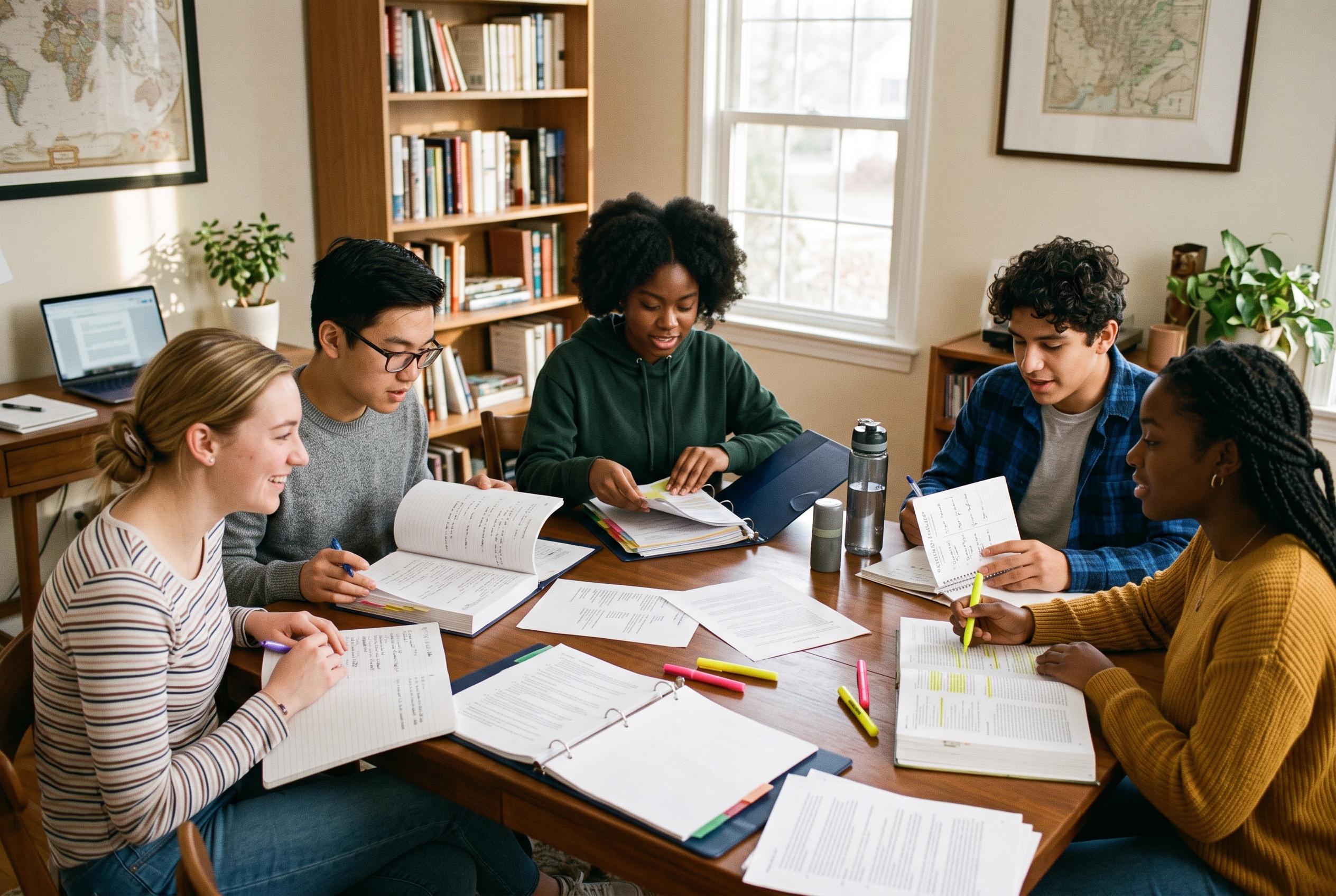

As students navigate the pivotal final year of high school, balancing academic achievement, organisation, and emotional wellbeing is essential for a successful transition to post-secondary life or other future plans.
Senior year of high school is often remembered for milestones such as prom, graduation photos and the final walk across the stage, but it is also a year of practical preparation. For families, it can be a demanding stretch of deadlines, decisions and mixed emotions. Guidance from the Washington Student Achievement Council stresses that this is also the time to weigh what comes next, whether that means university, a community college, an apprenticeship, technical training, military service or full-time work.
One of the most important tasks is making sure graduation requirements are actually on track. Schools can differ on credits, community service, testing and coursework, so reviewing a transcript early with a counsellor can help avoid unpleasant surprises later in the year. Parents and students can also use this period to map out key dates in one place, including application deadlines, scholarship windows, financial aid forms, entrance tests, campus visits and major school events. Appily and Ready Set College both note that organisation is often what keeps the year manageable rather than overwhelming.
Academic effort still matters, even when the end of school feels close. Harvard Summer School advises students to stay focused on grades and to plan ahead for standardised testing, while Fordham University recommends keeping course choices and application materials in mind well before senior year begins. That advice also applies to the temptation to coast through the final months. Finishing well can protect college offers, scholarship chances and future opportunities, and it helps students build the habit of seeing commitments through.
Senior year is also a useful time to practise independence. That means more than filling out forms; it includes emailing teachers, keeping a calendar, making appointments and handling day-to-day responsibilities without as much parental prompting. It is also a good moment to build financial basics, such as budgeting, opening and using a checking account, and understanding how debit cards, credit cards and student loans work. Families can use the year to teach self-advocacy too, especially for students who may need accommodations in college. For those with an Individualised Education Programme or Section 504 plan, supports do not automatically carry over after high school, so planning ahead matters.
The emotional side of senior year deserves equal attention. Students may feel excitement about what is ahead, but also fear about leaving friends, moving away or choosing the wrong path. That uncertainty is normal. Families can help by keeping space open for honest conversations and by reminding teenagers that many adults change plans, careers or majors along the way. At the same time, the final year should not become only a checklist of obligations. Senior traditions, clubs, sports, performances and time with friends are part of the memory of the year and should be valued as much as the paperwork.
In the end, senior year is less about a single destination than about transition. It is the point at which parents begin shifting from managing every detail to coaching from the side lines, while students take on more responsibility for their own lives. Whether the next step is college, work, training, service or a gap year, the habits formed now can shape what comes after graduation. The diploma matters, but so does the growth that leads up to it.
Disclaimer: This content is for informational purposes only and is not intended to be a substitute for professional medical judgment, advice, diagnosis, or treatment.