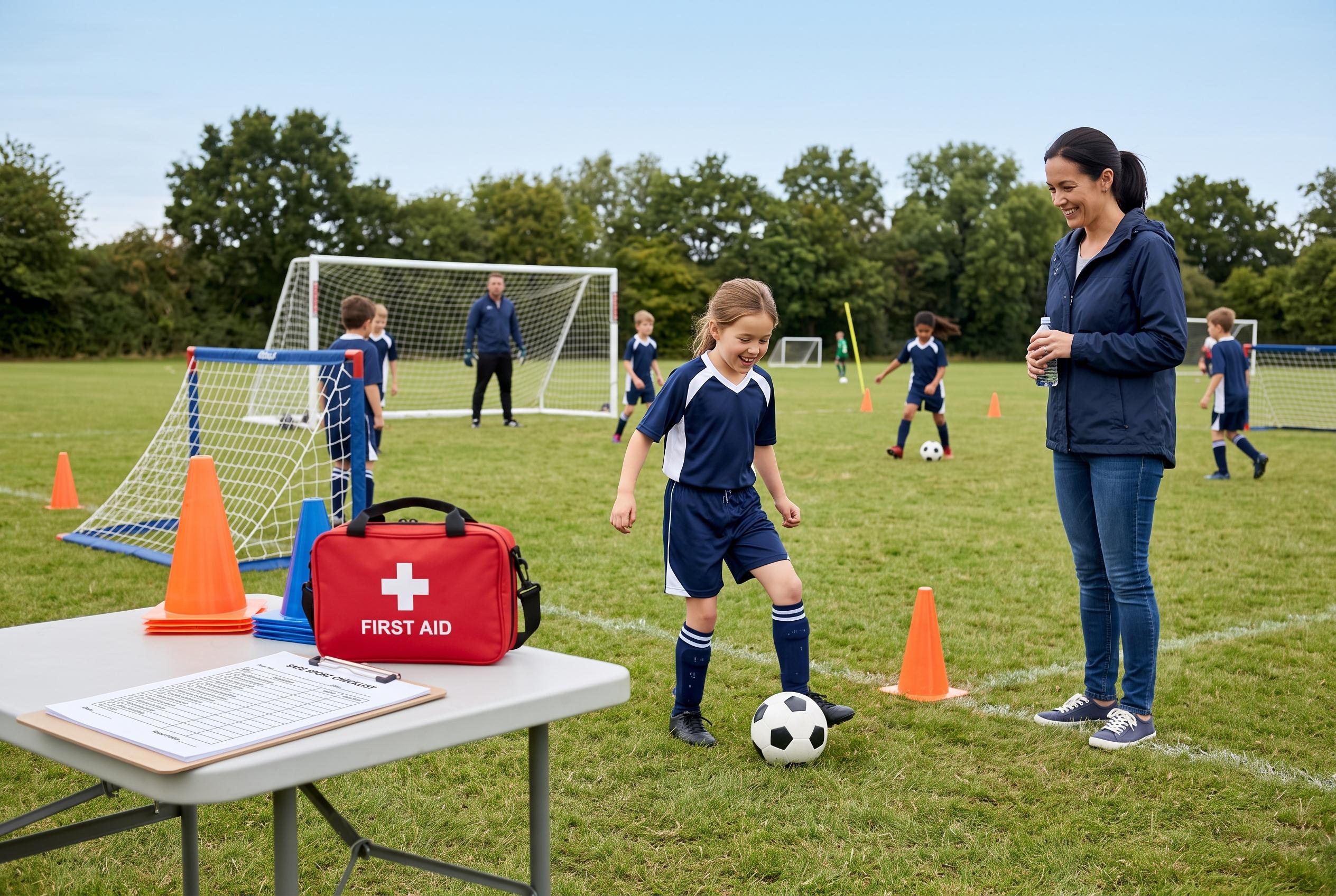

As International Safe Sport Day is observed, experts emphasise the importance of parents in creating supportive, respectful, and secure environments for young athletes, complementing global safeguarding initiatives.
On Aug. 8, International Safe Sport Day serves as a reminder that protecting young athletes is not only a matter for coaches and governing bodies but also for parents, who help shape the tone of practices, matches and travel routines. In an article for Washington Family, Monica Rivera, vice president of education and research at the U.S. Center for SafeSport, said the start of the autumn sports season is a useful moment for families to think about whether a child’s environment is supportive, respectful and secure.
That broader message is echoed by safeguarding groups beyond the United States. Safe in Sport, a global network of more than 200 organisations across six continents, says the aim is to help sporting bodies build systems that prevent abuse and encourage positive experiences for children. The U.S. Centre for SafeSport also maintains a resource library for parents, coaches and organisers that includes policy documents, videos and guidance on recognising, preventing and responding to misconduct.
Other initiatives have taken a similar approach. Safe to Compete, run by It’s a Penalty and the National Center for Missing & Exploited Children, provides training and discussion guides for coaches and parents, with a focus on stopping abuse, exploitation and trafficking. US Equestrian’s Safe Sport programme offers parent training, reporting advice and information on the Minor Athlete Abuse Prevention Policies, while HealthyChildren.org has published a parent checklist covering hiring, training, codes of conduct, communication and travel rules.
Rivera’s central point is that sport should teach confidence, teamwork, resilience and enjoyment, but those benefits are most likely to last when adults pay attention to the culture around them. That includes asking questions, understanding reporting routes and noticing whether a programme takes boundaries seriously. For parents supporting children who have already experienced harm, Athlete Survivors Assist recommends a trauma-informed approach that helps adults respond with care and avoid re-traumatisation.
Disclaimer: This content is for informational purposes only and is not intended to be a substitute for professional medical judgment, advice, diagnosis, or treatment.