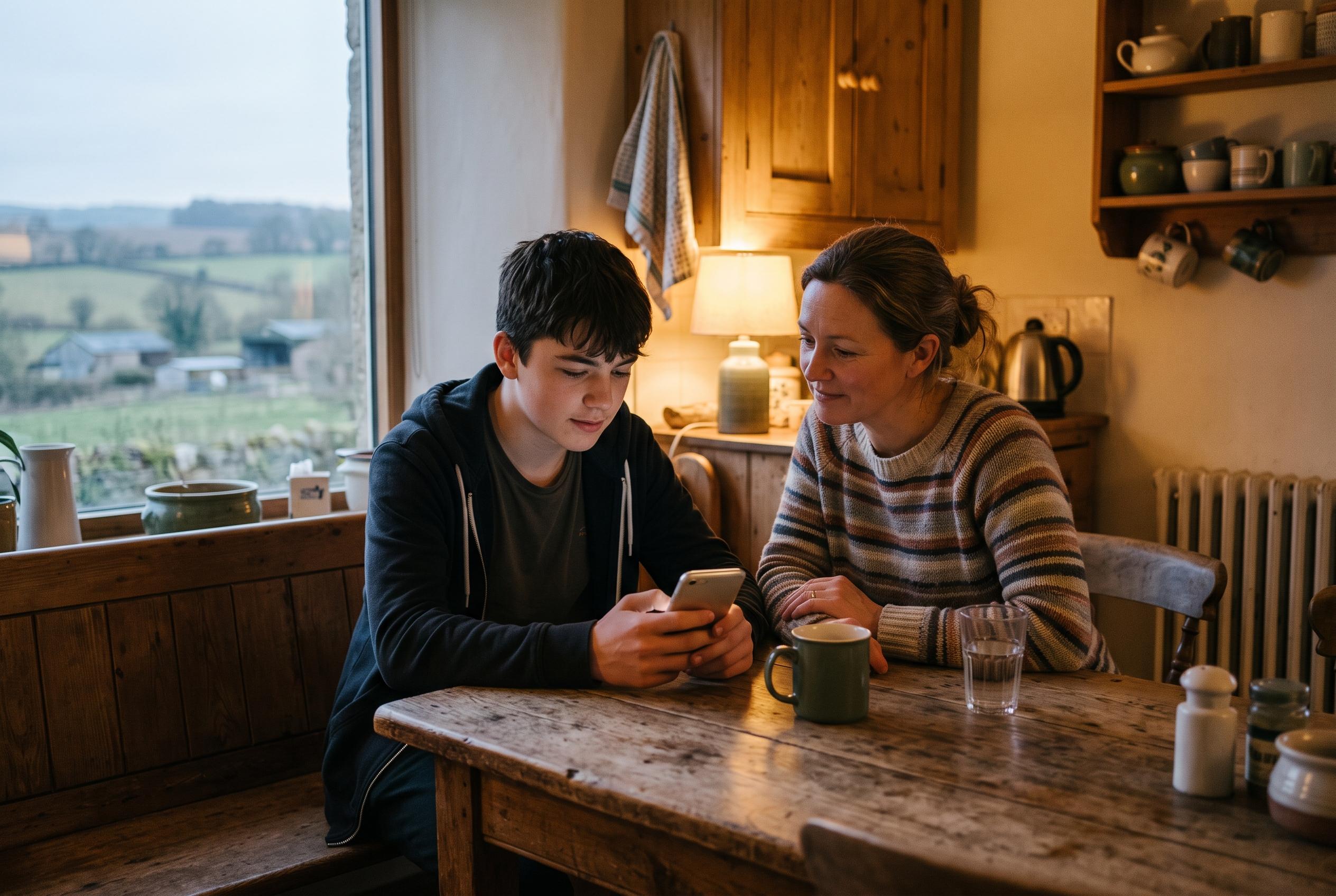

A new nationwide campaign from Rural Minds aims to bridge the mental health support gap for rural teenagers, offering free, anonymous online resources in response to higher suicide rates and limited traditional care access.
Rural youth face a harder road to mental health support than many of their urban peers, according to a new campaign from Rural Minds that is being rolled out nationally after a pilot stage. The organisation said the programme was developed with input from rural young people and is designed to offer free, anonymous resources that are easier to access than traditional care. The group said the effort has backing from corporate sponsors, while a Northwestern University researcher involved in the project said no young person’s location should decide whether help is available. According to the CDC, suicide rates for rural teenagers remain substantially higher than in cities. The CDC’s figures, published in 2024, found the gap was 74%. Rural Health Information Hub data also shows the divide has widened over time.
The campaign centres on the idea that stigma can keep young people silent. In many rural communities, self-reliance is prized, which can make it harder for teenagers to admit they are struggling. Parents, teachers, healthcare workers and community leaders are being urged to normalise conversations about mental health and to respond without judgement when young people speak up. The aim, the organisation said, is to make it less daunting for teens to ask for support before problems deepen.
A key part of the programme is a set of single-session interventions, or brief online exercises aimed at teaching practical coping skills. The American Psychological Association says these interventions are designed to help young people manage stress, low mood and body image concerns in a short, structured format, while Nature Index has described them as a low-intensity but potentially useful way to deliver immediate support. Rural Minds said its version includes topics such as challenging negative thoughts, protecting LGBTQ+ pride and handling self-harm urges. Each session takes only a few minutes, although the group stresses that the materials are not a substitute for therapy.
The final message is that self-help tools can be a starting point, but not a full solution. The programme advises families to watch for worsening mood, substance use, self-harm or trouble managing daily life, and to seek professional help when needed. It also points people in crisis to the 988 Suicide and Crisis Lifeline, which provides round-the-clock support. A committee member who helped shape the project said the work is intended to give rural teenagers access to resources that earlier generations often lacked.
Disclaimer: This content is for informational purposes only and is not intended to be a substitute for professional medical judgment, advice, diagnosis, or treatment.