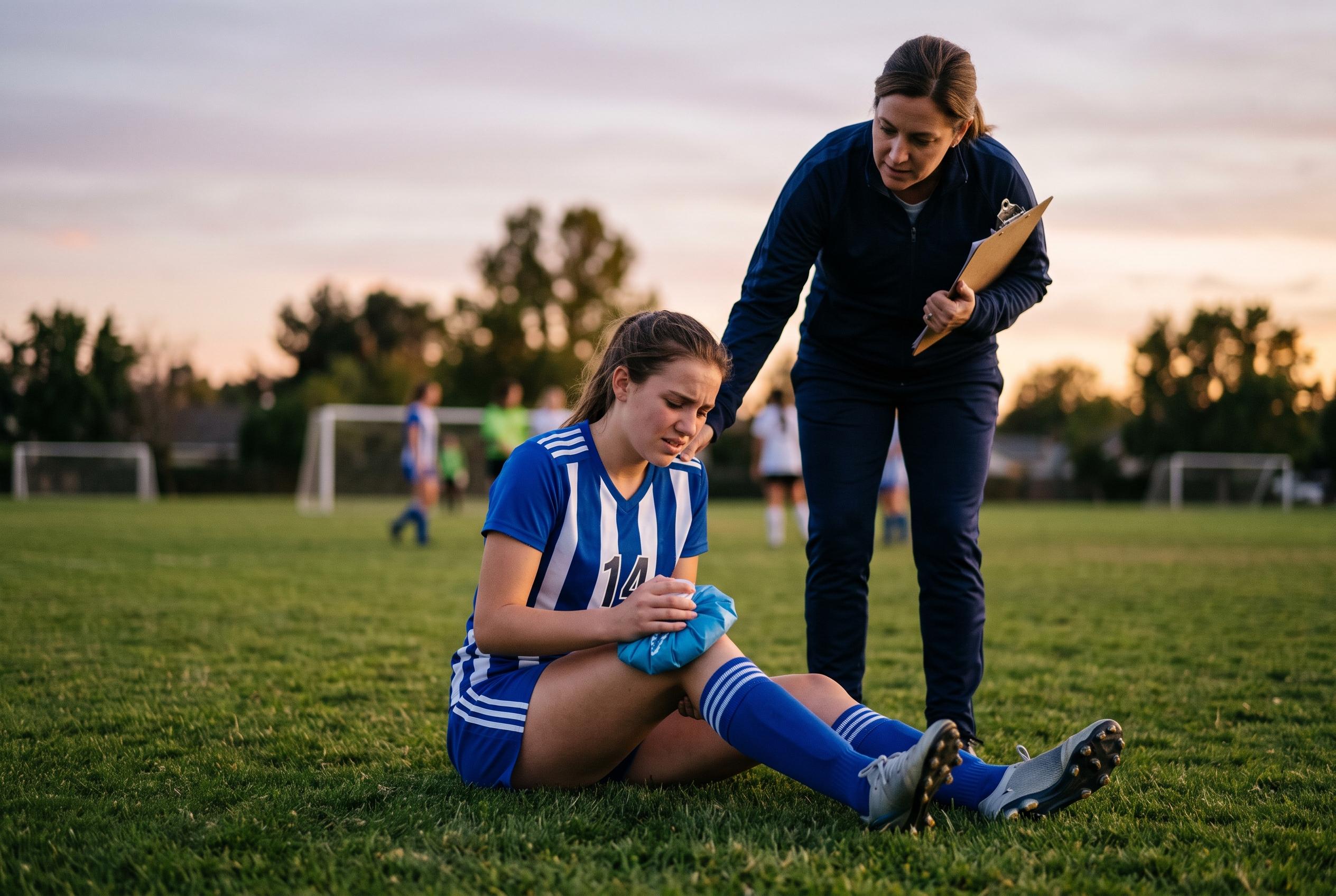

As children return to autumn sports, experts warn that increased training loads and inadequate recovery can lead to serious growth plate injuries and overuse problems, emphasising the importance of prevention and proper management.
As children head into autumn sports, parents often see a familiar pattern: more practices, more collisions and more overuse injuries. Football, soccer, cross country, lacrosse, volleyball, tennis and track all place different demands on a young body, but the common thread is that sudden jumps in training load and repeated stress can turn a small problem into a more serious one, especially when a previous injury has not fully settled.
Orthopaedic specialists say the most frequent problems vary by sport. In football, shoulder dislocations, clavicle fractures, knee ligament injuries and hand or finger trauma can follow contact or awkward falls. Soccer players are especially prone to ankle sprains, muscle strains and knee injuries, while runners often develop shin splints, stress fractures and growth-related pain such as Osgood-Schlatter disease or Sever’s disease. In volleyball and tennis, repetitive overhead motion can irritate the shoulder and elbow, and in lacrosse, a mix of contact and speed can lead to sprains, fractures, concussions and facial injuries.
A key point for families is that children are not simply smaller adults. Their growth plates, the soft areas near the ends of long bones, are still developing and can be injured in ways that differ from adult ligament sprains or fractures. That means a child with what looks like a simple ankle sprain may actually have a growth plate injury. It also means treatment, imaging and return-to-play decisions should take into account age, skeletal maturity and the amount of growth left. When surgery is needed, surgeons may use techniques designed to protect open growth plates, particularly around the knee in ACL reconstruction.
Prevention is not about eliminating risk, but about reducing the chances of avoidable injuries. HealthyChildren.org advises families to encourage variety in sports, build in rest days, wear the right equipment, strengthen muscles, improve flexibility and use proper technique. Mayo Clinic has also warned that year-round specialisation in one sport can raise the risk of overuse injury, making breaks and cross-training important. Fatigue, poor sleep, dehydration and rushed increases in training can all worsen mechanics and increase injury risk.
Parents should also know when an injury needs urgent attention. Obvious deformity, a visible open fracture, uncontrolled bleeding or a head injury with loss of consciousness, repeated vomiting or worsening symptoms require emergency care. New injuries with swelling, difficulty bearing weight, a suspected fracture or a finger that will not bend or straighten may need same-day orthopaedic assessment. Pain that keeps returning, seems to improve only with rest, or affects performance should not be ignored. As orthopaedic groups note, prompt evaluation can help young athletes heal properly and return safely.
Disclaimer: This content is for informational purposes only and is not intended to be a substitute for professional medical judgment, advice, diagnosis, or treatment.