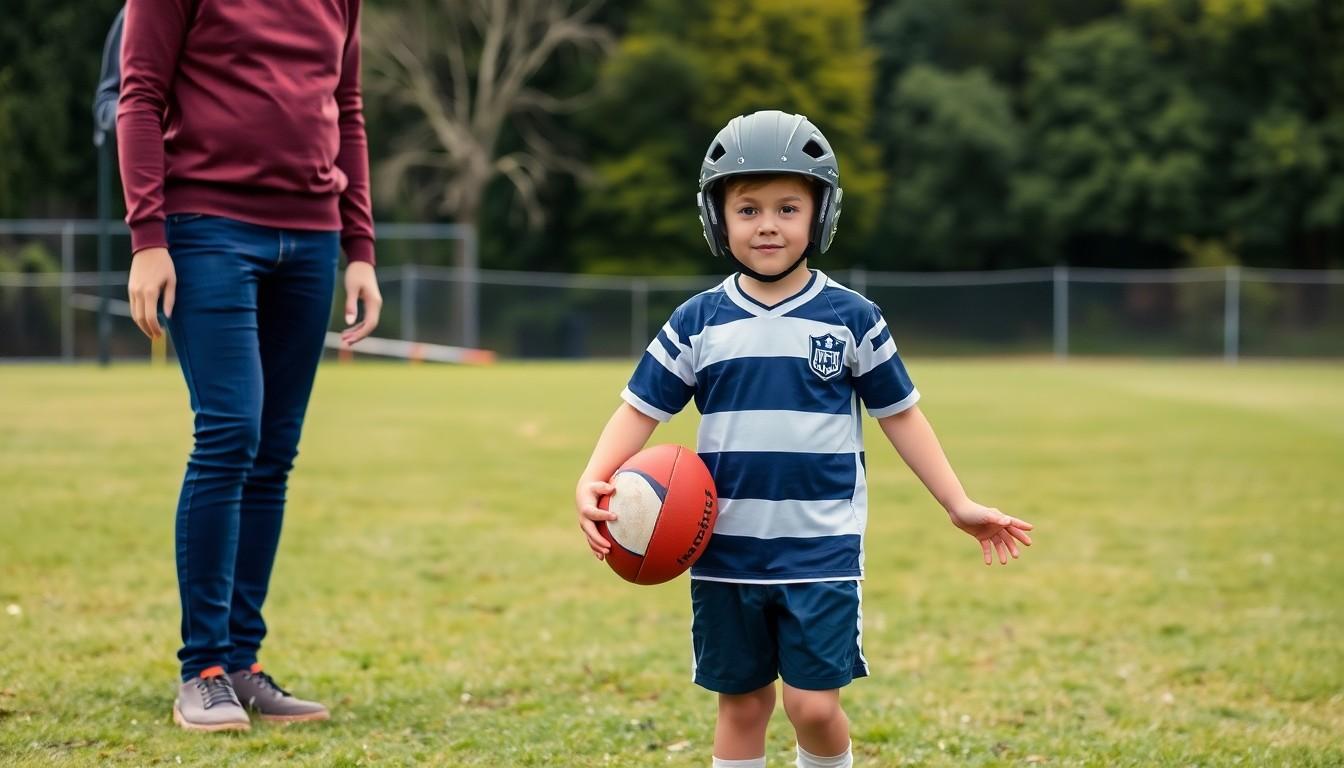

As parents weigh the benefits of physical activity and social development against the rising risk of head traumas, especially in contact sports like Australian rules football, new safety considerations are shaping youth sports choices.
For many parents, the question of whether a child should play Australian rules football is no longer abstract. Concerns about repeated head knocks, chronic traumatic encephalopathy and serious on-field brain injury have pushed the issue into the foreground, but the choice is not simply about avoiding danger. It is about balancing the clear gains of sport against the possibility of harm.
The upside is substantial. The US Centers for Disease Control and Prevention says regular physical activity supports cardiovascular fitness, muscular strength, bone health and mental wellbeing in children, while also lowering the risk of chronic disease later in life. Johns Hopkins Medicine adds that organised sport can improve fitness while giving children structure, confidence and a reason to stay active.
Team sport can also offer important social and psychological benefits. Cleveland Clinic notes that playing in a group can strengthen cooperation, communication and emotional regulation, while helping children build friendships and a sense of belonging. In that sense, footy is not just a game; it can be part of a child’s social and developmental education.
The risks, however, are real. Johns Hopkins Medicine says millions of children and teenagers play organised sport each year, and injuries are common enough to keep many of them out of action. WebMD advises parents to distinguish between sudden trauma and overuse injuries, and to pay attention to warm-ups, rest, equipment and early medical assessment when something seems wrong. The Children’s Hospital of Philadelphia also warns that concussions are a major concern in youth sport and require careful recognition and management.
That caution becomes sharper when the focus turns to head injury. The Concussion Program at Children’s Hospital of Philadelphia says sports and recreation are the main source of concussions from the age of six, and a systematic review indexed by PubMed found that collision-style youth sports carry the highest concussion rates. In practical terms, that means parents should not only ask whether a sport is enjoyable, but whether its risks rise with age and intensity. For some families, the answer will still be yes to footy; for others, the better course may be to choose a sport that offers the same benefits with less chance of head injury.
Disclaimer: This content is for informational purposes only and is not intended to be a substitute for professional medical judgment, advice, diagnosis, or treatment.