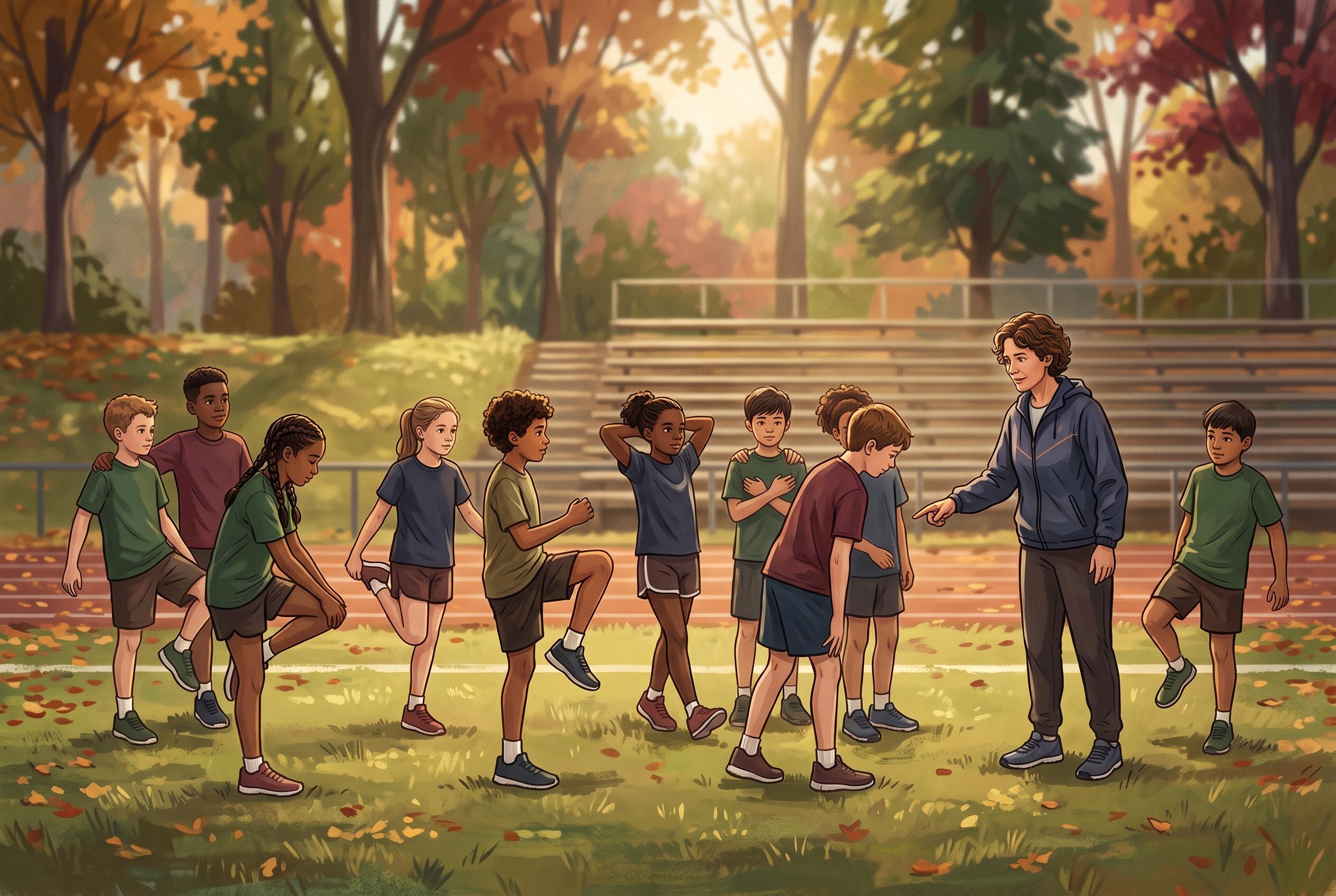

Medical professionals advise gradual re-entry, hydration, and proper training to prevent common injuries as athletes return to school sports amid rising concerns over heat-related illness and muscle injuries.
As schools reopen and autumn sports begin, Dr Maduka C. Nnadozie says the most common mistake he sees is simple: athletes return too quickly and ask their bodies to do too much too soon. The family medicine and sports medicine physician at Mary Washington Primary Care told the Fredericksburg Free Press that this pattern shows up across age groups, from middle school players to adults trying to restart weekend exercise after a break.
Nnadozie’s advice is built around gradual re-entry, hydration and acclimatisation. He said athletes should allow at least two weeks to adjust back to the demands of training, especially when practices begin in still-warm late summer conditions. Johns Hopkins Medicine similarly stresses hydration as a basic sports-safety measure, while the American Orthopaedic Society for Sports Medicine recommends a warm-up of at least 10 minutes, including jogging and dynamic movement, before play. In Nnadozie’s view, failing to prepare properly most often shows up as muscle cramps, although more serious heat-related illness can follow if athletes push hard while under-hydrated.
The highest-risk sports in the fall tend to be football and girls’ soccer, where lower-body injuries are especially common. Nnadozie pointed to ankle sprains as one of the most preventable problems among student athletes, and said balance work, neuromuscular training and bracing can all help reduce the risk. The American Orthopaedic Society for Sports Medicine and U.S. Soccer Learning Center both highlight the value of conditioning programmes that teach proper landing, cutting and change-of-direction mechanics, particularly for ACL prevention in pivoting sports such as soccer and basketball.
He also urged parents to look beyond talent and early results when children are new to organised sport. Sports, he said, should build confidence, teamwork and social connection as much as physical fitness. He warned against early specialisation in one activity, especially during periods of rapid growth, because year-round repetition can raise the risk of overuse injury. Parents should also watch for signs that a young athlete is doing too much, including repeated injuries, unusual fatigue, mood changes and, in girls, missed periods.
Concussion awareness remains another critical issue. Nnadozie said warning signs can include headache, neck pain, confusion, balance problems, vomiting and changes in behaviour, and stressed that any suspected concussion should lead to immediate removal from play and evaluation by a qualified clinician. He said no athlete should return until they complete a graduated return-to-play protocol. His broader message is that strong seasons begin with sleep, food, fluids and restraint: build up slowly, recover properly and keep the focus on enjoying the sport.
Disclaimer: This content is for informational purposes only and is not intended to be a substitute for professional medical judgment, advice, diagnosis, or treatment.