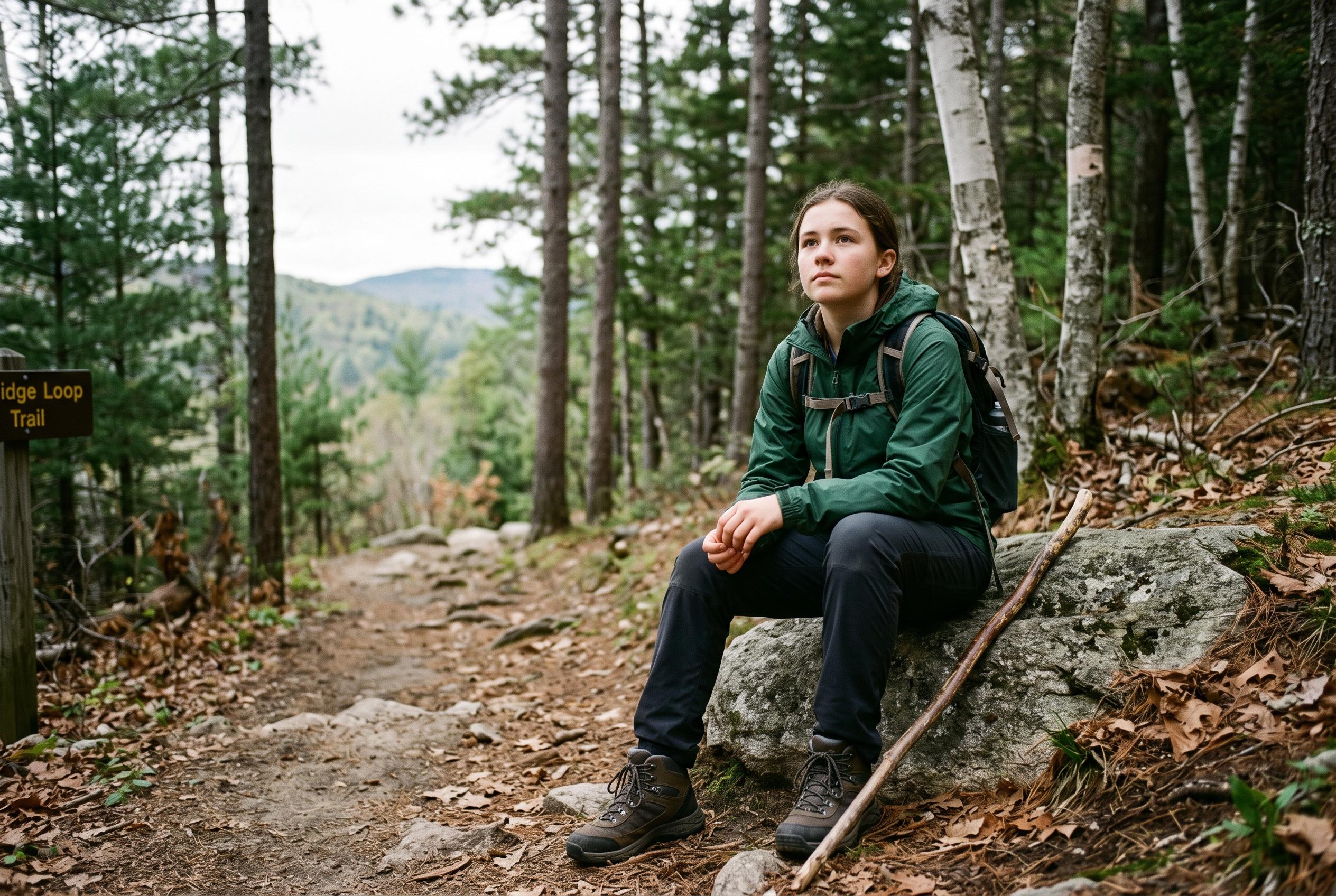

A new study suggests that engaging in physical activity may help lower social anxiety among teenagers, with resilience playing a crucial mediating role, highlighting the importance of fostering coping skills alongside exercise.
A study published in Frontiers in Psychology suggests that physical activity may be linked to lower social anxiety in adolescents, with resilience appearing to play a more important role than general self-efficacy. In a sample of 986 Chinese students aged about 15, researchers found that higher activity levels were associated with less social anxiety both directly and indirectly, but the only significant mediating path ran through resilience. The findings, however, are tempered by the study’s cross-sectional design and by modest fit on some model checks, meaning the results point to a plausible relationship rather than a proven causal chain.
The research drew on students from primary, junior high and senior high schools in Zhuhai, Guangdong province, collected between September 2025 and March 2026. The sample was almost evenly split between boys and girls, and the study used established Chinese-language measures of physical activity, resilience, self-efficacy and social anxiety. According to the authors, physical activity showed a moderate positive link with resilience and a moderate negative link with social anxiety, while self-efficacy did not show a meaningful relationship with the other main variables.
Structural equation modelling found that physical activity was associated with lower social anxiety directly, and that part of the relationship operated through resilience. By contrast, neither self-efficacy alone nor the proposed chain from resilience to self-efficacy reached statistical significance. The authors also noted that the model’s absolute fit indices were acceptable, but the incremental fit indices fell below conventional thresholds, so the paths should be interpreted cautiously. They added that the anxiety scale captured social anxiety specifically, not anxiety in a broader sense.
In their discussion, the authors linked the resilience finding to broader work suggesting that exercise can strengthen coping, persistence and emotional regulation. That interpretation fits with recent reviews showing that physical activity is generally associated with better mental health in young people, and with other adolescent studies reporting that resilience may help explain why exercise relates to lower distress. At the same time, the paper contrasts with research in which more domain-specific efficacy measures, such as sport-related or emotion-regulation self-efficacy, have helped explain mental health effects more clearly than a broad general self-efficacy scale.
The paper’s limits are important. Because the data were collected at one point in time, the study cannot show that exercise reduced anxiety, only that the variables moved together in the expected direction. All measures were self-reported, the measurement model showed weaknesses for some scales, and no covariates such as age, sex, body mass index or family background were included. The authors say future work should use longitudinal designs, more objective activity measures and more tightly matched measures of efficacy and anxiety.
For parents and schools, the practical message is straightforward: encouraging regular physical activity may help support adolescents’ emotional wellbeing, but the protective effect may be strongest when programmes also build coping skills and resilience. The study suggests that simply increasing activity may not be enough on its own; the way activity is organised may matter as much as the amount.
Disclaimer: This content is for informational purposes only and is not intended to be a substitute for professional medical judgment, advice, diagnosis, or treatment.