
A six-week, remotely supervised aerobic exercise programme helped young people with persistent concussion symptoms recover faster than stretching, particularly when started within three months of injury.
A remotely delivered aerobic exercise programme helped teenagers recover from concussion faster than a stretching routine, according to a randomised clinical trial published in JAMA Pediatrics.
The study, led by Sara Chrisman and colleagues, looked at whether a home-based approach could replicate the benefits of supervised exercise that earlier research has linked with better concussion outcomes. The researchers focused on a group that is often difficult to reach with in-person follow-up: young people aged 11 to 18 whose symptoms had lingered for weeks or months after injury.
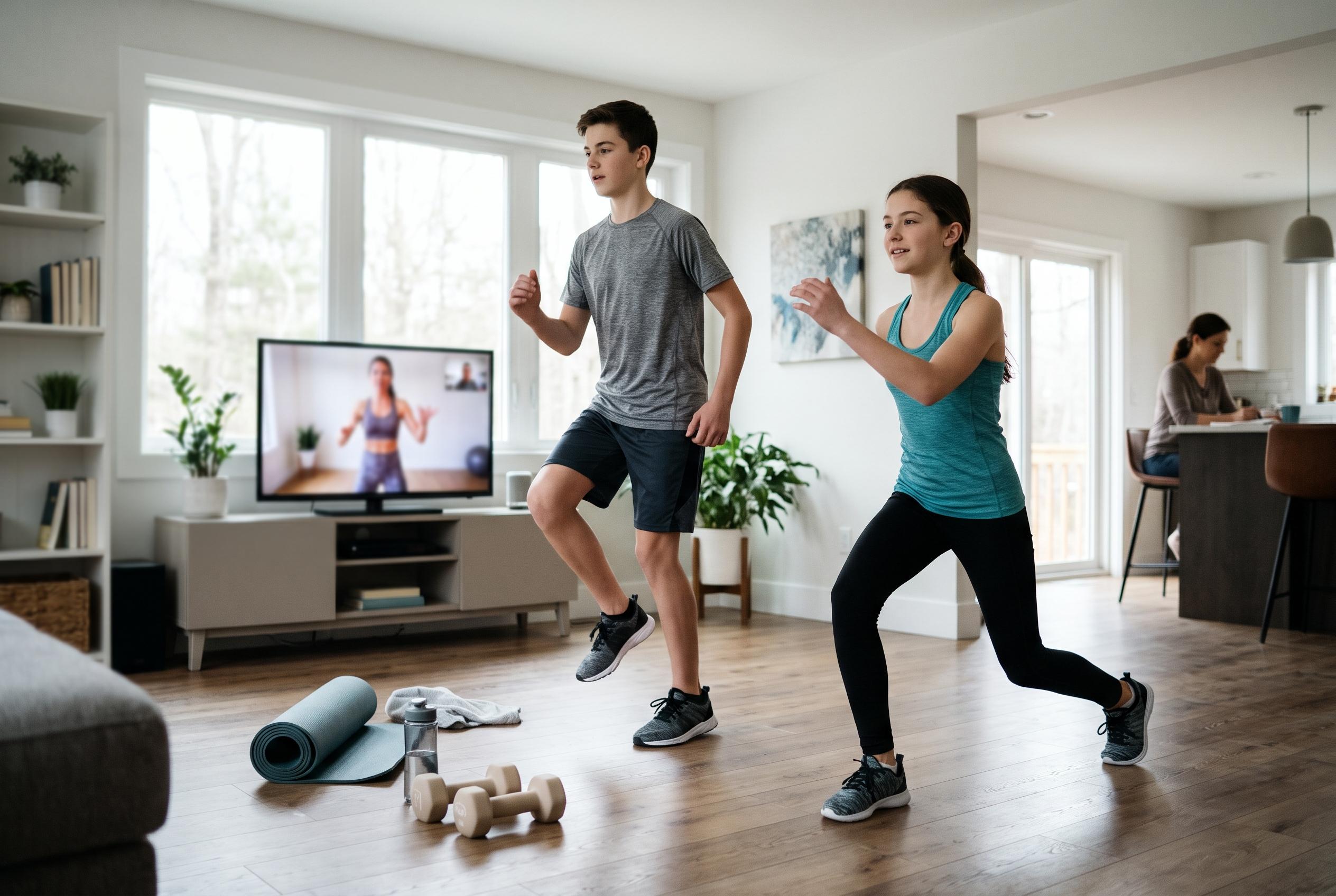
From March 2021 to October 2025, the trial enrolled 210 participants from outpatient clinics in Washington, Utah, Wisconsin and Oregon. About 58 per cent were girls, the average age was 15, and the average time since injury was a little more than two months. Those assigned to the Mobile Subthreshold Exercise Programme, or MSTEP, received activity trackers and began with aerobic exercise at 60 per cent of their maximum heart rate. Over six weeks, the programme was gradually increased through weekly video consultations.
According to the JAMA Pediatrics report, both groups improved over time, but the exercise group recovered more quickly. At three months, those in MSTEP showed greater gains in symptoms and health-related quality of life than those in the stretching group. By six months, the difference between the two groups was no longer clear, suggesting the main advantage was in speeding up the early phase of recovery rather than changing the eventual outcome.
The benefit also appeared to depend on timing. The study found that the exercise programme helped most when it started within three months of the injury, while young people whose concussions were older did not show the same clear advantage. The researchers also reported no meaningful difference by sex, age or other factors they examined.
The findings add to a growing body of evidence that carefully paced aerobic exercise can be part of concussion care, while also showing that it can be delivered remotely. That could matter for families who live far from specialist clinics or face barriers to repeated appointments. For children and teenagers with lingering symptoms, the study suggests that structured home-based activity may offer a practical way to shorten recovery, especially when started earlier rather than later.
Disclaimer: This content is for informational purposes only and is not intended to be a substitute for professional medical judgment, advice, diagnosis, or treatment.