
As modern childhood becomes increasingly scheduled and structured, experts highlight the overlooked value of unstructured boredom in fostering creativity, resilience, and autonomy among children, prompting a reconsideration of how free time is managed during school holidays and beyond.
The long, empty stretches of summer that many adults remember so fondly are harder to find in modern family life. Holiday clubs, sports camps, coding workshops and organised outings now fill much of the school break, and for many parents that is less a lifestyle choice than a practical necessity. As schools close and work continues, structured childcare has become part of the seasonal routine. Yet the growing market for keeping children occupied also reflects a deeper shift: doing more has come to feel like better parenting, even when it may not always be. Healthline notes that occasional boredom can support creativity, self-regulation and problem-solving, while also acknowledging that not every child has the same freedom or security to drift into it.
That tension helps explain why boredom has become a source of anxiety rather than a normal part of growing up. Harvard’s Graduate School of Education has argued that free play remains central to children’s intellectual, social, emotional and physical development, especially in a world that leaves less room for unsupervised time. Research published by the National Centre for Biotechnology Information likewise points to the value of self-directed activity in summer, when children can choose how to spend their time and build autonomy. The point is not to romanticise deprivation or pretend that earlier childhoods were uniformly better. It is to recognise that unstructured time can still play a serious role in development.
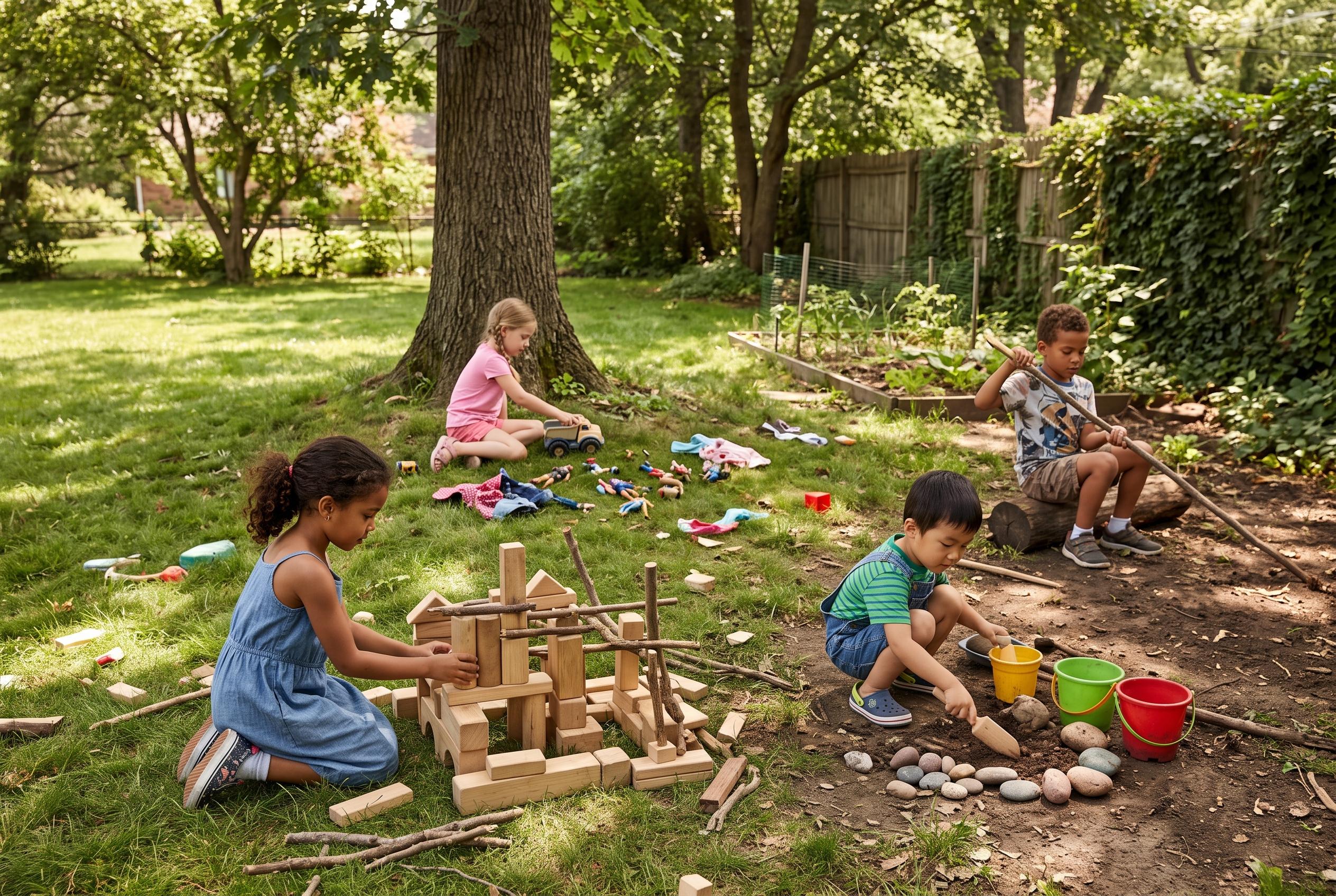
Boredom, in that sense, is not the same as neglect. A child left with nothing, no support and no freedom is in a very different position from a child who has books, toys, outdoor space or simple materials and just has not been handed a plan. The distinction matters because it shifts the question from whether boredom should be eliminated to whether every moment of it needs to be fixed by an adult. Healthline and ParentMap both frame boredom as something that can help children learn to manage frustration, make choices and discover their own interests. That process is rarely neat, but it is often useful.
Parents, though, are the ones who have to tolerate the discomfort that comes with leaving that space open. The pleading, the complaints and the instinct to step in can make boredom feel like a problem to solve. But the pressure to stage a perfect childhood is relentless, especially during school holidays, weekends and family trips. Children do not need every hour to be memorable. The days that simply unfold, without a lesson attached, are not wasted.
That is why so many child-development experts continue to defend free play and adult-free time. Axios reported earlier this year that psychologists see self-directed activity as a way to strengthen resilience and reduce attention-seeking behaviour, especially when children are encouraged to solve ordinary frustrations for themselves. In practice, that may mean resisting the urge to schedule every afternoon, allowing a journey to pass without constant distraction or simply handing over a few basic things and letting a child decide what to do next. There is still plenty of room for lessons, camps and activities. The case for boredom is narrower than that. But the argument is a serious one: children may need occasional emptiness not despite modern life, but because of it.
Disclaimer: This content is for informational purposes only and is not intended to be a substitute for professional medical judgment, advice, diagnosis, or treatment.