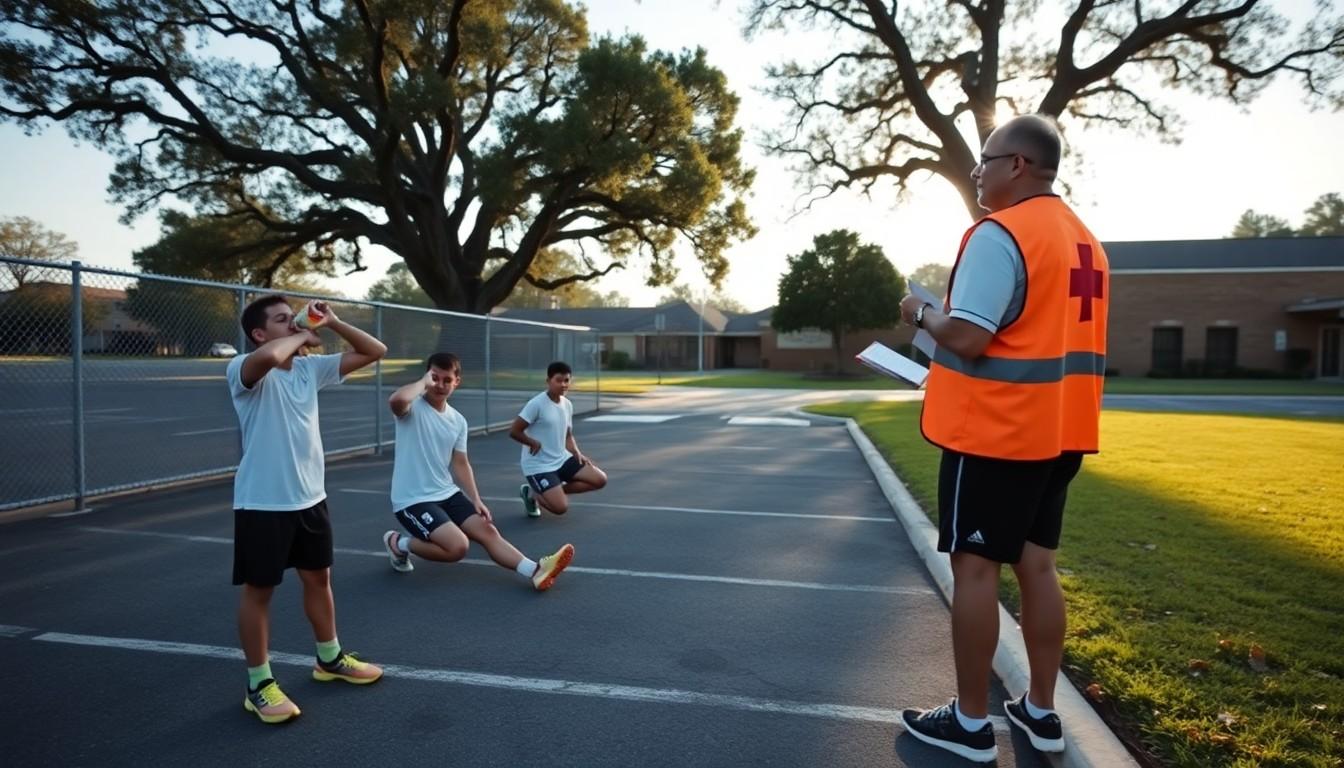

With rising temperatures, the American Red Cross has introduced updated precautions for outdoor sports to prevent heat-related illnesses among students, emphasising gradual training, hydration, and safety protocols.
As temperatures rise, the American Red Cross is urging schools and coaches to take a more cautious approach to outdoor training, warning that student athletes can become ill quickly when hard exercise is combined with heat and humidity. The organisation has outlined a set of practical precautions aimed at reducing the risk of dehydration, heat exhaustion and heat stroke during practices and conditioning sessions.
Among its main recommendations is a simple one: move workouts to the cooler parts of the day wherever possible, and ease athletes back into full intensity gradually rather than pushing straight into demanding drills. The Red Cross also advises regular water breaks every 20 minutes, proper warm-ups, shorter sessions where needed and changes to clothing or equipment if conditions are extreme. Similar guidance from the CDC stresses that athletes are especially vulnerable on hot days and should slow the pace, use sunscreen and stop immediately if they feel faint or weak.
The Red Cross is also pressing teams to use a buddy system so that students can look out for one another, particularly during long or difficult sessions. Coaches and staff are being encouraged to learn the warning signs of heat-related illness, keep an emergency plan on hand and make sure someone nearby knows first aid and CPR. In earlier advice aimed at fall sports, the charity has also recommended the use of an automated external defibrillator, alongside CPR training and a clear response plan.
The wider heat-safety message extends beyond sport. The Red Cross says people should seek cooler indoor spaces when they can, wear loose and light clothing, and avoid drinks that can make hydration harder to maintain, such as sugary, caffeinated or alcoholic beverages. It also encourages families and schools to keep an eye on vulnerable people, stay alert to weather warnings and use emergency tools and checklists to prepare for heat events.
Taken together, the guidance reflects a broader public health concern: extreme heat is becoming more disruptive to outdoor activity, and young athletes are among those most exposed. The Red Cross says the key is not to wait for a crisis, but to build safer habits into training before temperatures peak.
Disclaimer: This content is for informational purposes only and is not intended to be a substitute for professional medical judgment, advice, diagnosis, or treatment.