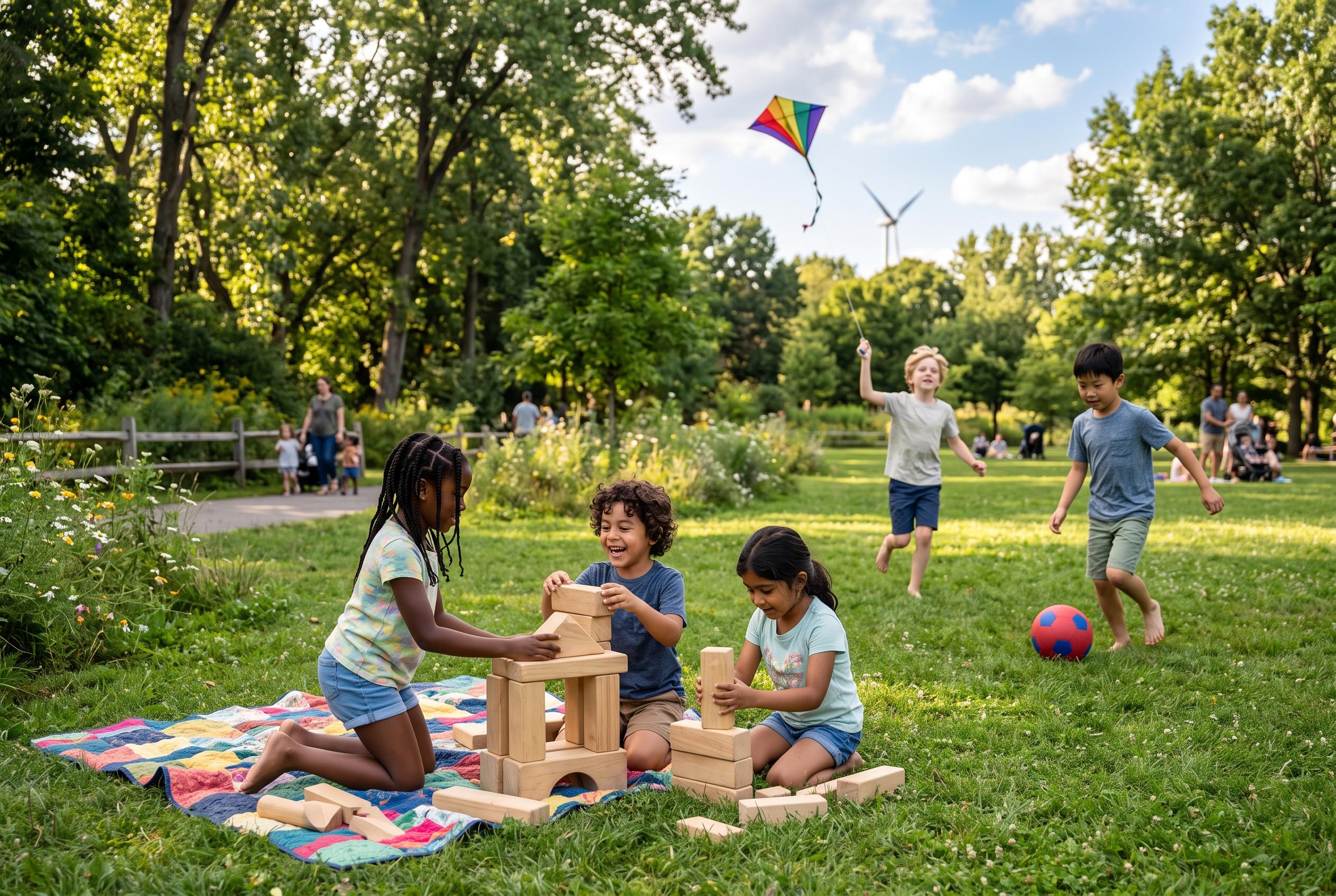

As digital screens dominate childhood, experts warn that reduced playtime jeopardises emotional, social, and cognitive growth, urging parents to prioritise meaningful, attentive interactions.
As screens become a larger part of childhood, a growing body of research and expert opinion points in the opposite direction: play is not a break from learning, but one of its strongest drivers. In Chile, Fundación Integra says children are losing about 6,000 hours of play, a deficit it links to weaker emotional, social and cognitive development. The debate has sharpened around a simple question: if children are spending less time in imaginative, physical and social play, what are they missing?
Specialists from Fundación Integra and Colunga argue that play is central to early learning because it helps children explore, communicate, solve problems and regulate emotion. Childcare.gov says both structured and unstructured play build physical, social and intellectual skills, while the American Academy of Pediatrics has long described play as vital to creativity, confidence and resilience. The point, experts say, is not merely that play is enjoyable, but that it helps shape the brain and the habits children use to understand the world.
That concern is especially acute in an age of constant digital distraction. Research highlighted by Time has linked heavy screen use in very young children with setbacks in language, memory and social development, and HealthyChildren.org warns that too much passive screen time can crowd out the direct interaction children need most. Psychology Today has also noted that free play is diminishing in the United States, even as it remains essential for neurological, social and emotional growth.
The Chilean piece describes parents trying to strike that balance in ordinary family life. Some limit television and tablets, allow controlled viewing for music videos or sports and favour outdoor activity, toys, drawing, pretend play and board games instead. Colunga says these everyday interactions matter because the most important developmental moments are often brief: a smile answered, a sound repeated, a game shared.
That emphasis on presence runs through the advice offered by both foundations. Adults do not need elaborate toys or expensive plans, they say. Five or 10 minutes of close attention while cooking, sorting clothes, singing, telling stories or building with cushions can strengthen attachment and support learning. The message is that children do not measure care by cost, but by attention.
For the experts quoted in the report, the deeper issue is not whether children play, but whether modern routines still leave room for it. In a culture that tends to value productivity above curiosity, play can look like idleness. Yet the evidence cited by educators and child-development specialists suggests the opposite: play is where children rehearse emotion, practise language, learn limits and form the relationships that help them grow.
Disclaimer: This content is for informational purposes only and is not intended to be a substitute for professional medical judgment, advice, diagnosis, or treatment.