


European curricula increasingly promise inclusion, enjoyment and lifelong activity, but new research finds that familiar sports and teaching practices still dominate pupils’ experience.
Physical education in Europe is being asked to do far more than it once did. According to a 2026 study by Salin and colleagues in the Journal of Teaching in Physical Education, curricula across 40 countries now frame PE around a broad mix of aims, including healthier lifestyles, inclusion, enjoyment, empowerment, social development and physical literacy. Yet the same study suggests that the subject’s day-to-day content has changed much less than its rhetoric, with familiar sports and activity blocks still dominating school programmes.
That tension between ambition and practice runs through much of the debate about the future of PE. The European study, which drew on expert input and national curriculum documents, indicates that most countries now present physical education as part of a wider educational mission, not merely a place to rehearse technique or improve fitness. But the authors also point out that this broader purpose does not always translate into a different curriculum experience for pupils.
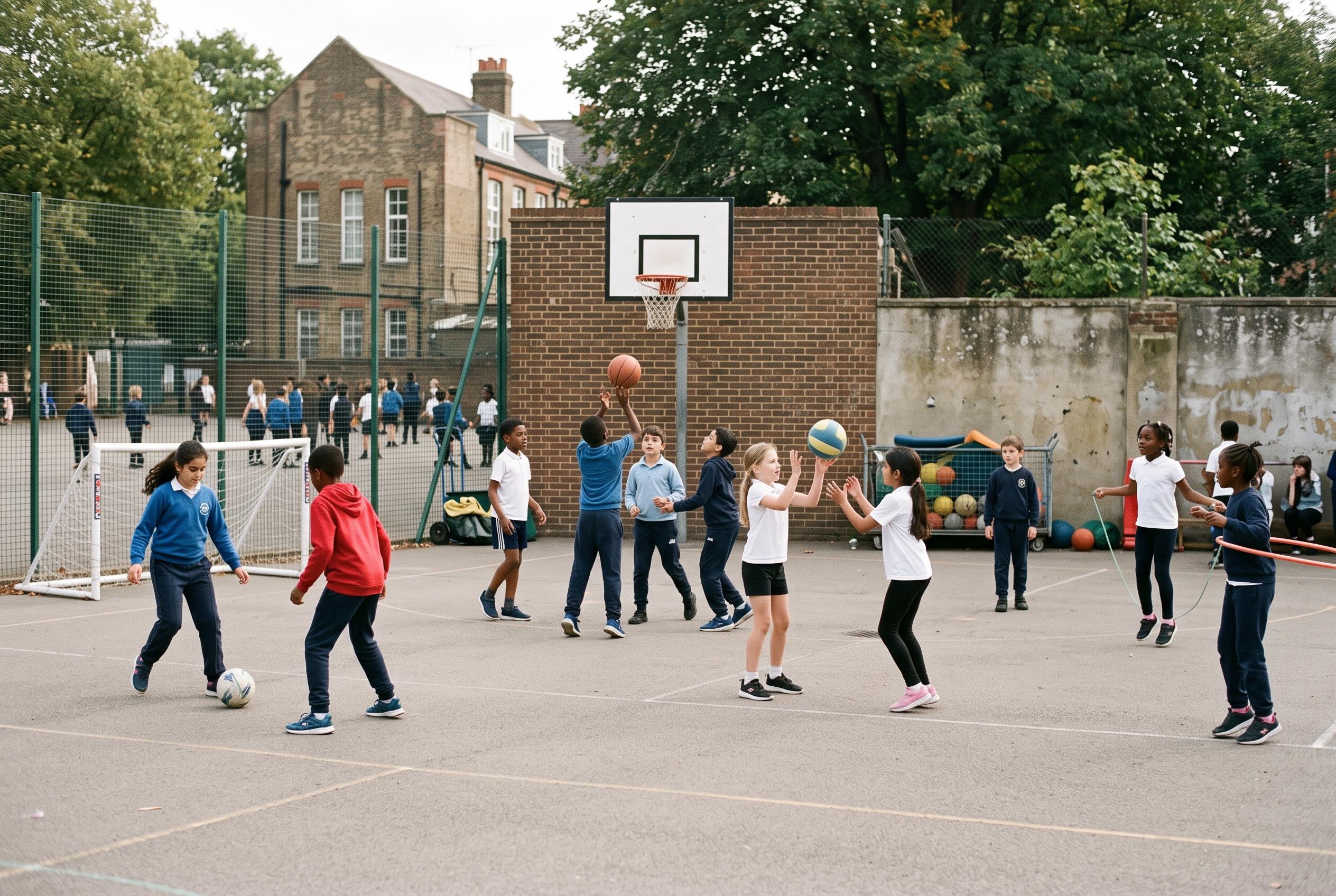
The persistence of the multi-activity model is one of the clearest findings. Ball games, gymnastics, dance, athletics, fitness work and swimming remain common across Europe, suggesting that traditional formats continue to shape the subject even where policy language has moved on. That is not necessarily a weakness in itself. Established sports can still give pupils challenge, enjoyment and a sense of belonging. The larger question is whether those familiar activities are being taught in ways that genuinely support the wider goals now attached to PE.
The study also raises doubts about how much emphasis curricula place on the emotional and cognitive side of learning. While physical competence and healthy living appear regularly, affective learning is less consistently present. That matters because, if the aim is lasting engagement in physical activity, pupils need more than technical ability and abstract knowledge about exercise. They also need chances to discover what they enjoy, what motivates them, where they feel successful and how movement fits into their lives beyond school.
There is also a question of relevance. The study notes that activities linked to active travel and contemporary movement cultures, including cycling, scooting and skateboarding, appear only limitedly in many national curricula. That does not mean schools should abandon competitive sport, but it does point to the need for a broader understanding of worthwhile movement. A more balanced curriculum would allow pupils to encounter team games alongside individual pursuits, expressive movement, outdoor activities and forms of physical activity that connect with everyday life.
A separate 2026 mapping study in The Lancet Regional Health – Europe reached a closely related conclusion, finding that school PE across the continent is only partly aligned with physical literacy principles. Taken together, the research suggests that European systems increasingly talk about PE as a route to lifelong activity, but still struggle to reshape content, teaching and assessment to match that aim. In other words, the purpose of the subject may be changing faster than the practice.
That gap matters because curriculum documents do not, on their own, change what pupils actually experience. Teachers interpret national guidance through the realities of facilities, staffing, school tradition and assessment pressures, which means older habits can survive even after policy reform. The researchers argue that if countries want different outcomes, they will need to invest in teacher education, professional confidence and space for schools to redesign both content and pedagogy.
For England, where the future of the National Curriculum for Physical Education is under discussion, the findings carry a clear warning. PE has long had strengths in sport, physical competence and fitness, and those should not be discarded lightly. But if the real ambition is to help young people remain active into adulthood, curriculum reform needs to address a deeper question: what kinds of movement experiences are most likely to make that happen?
Disclaimer: This content is for informational purposes only and is not intended to be a substitute for professional medical judgment, advice, diagnosis, or treatment.



