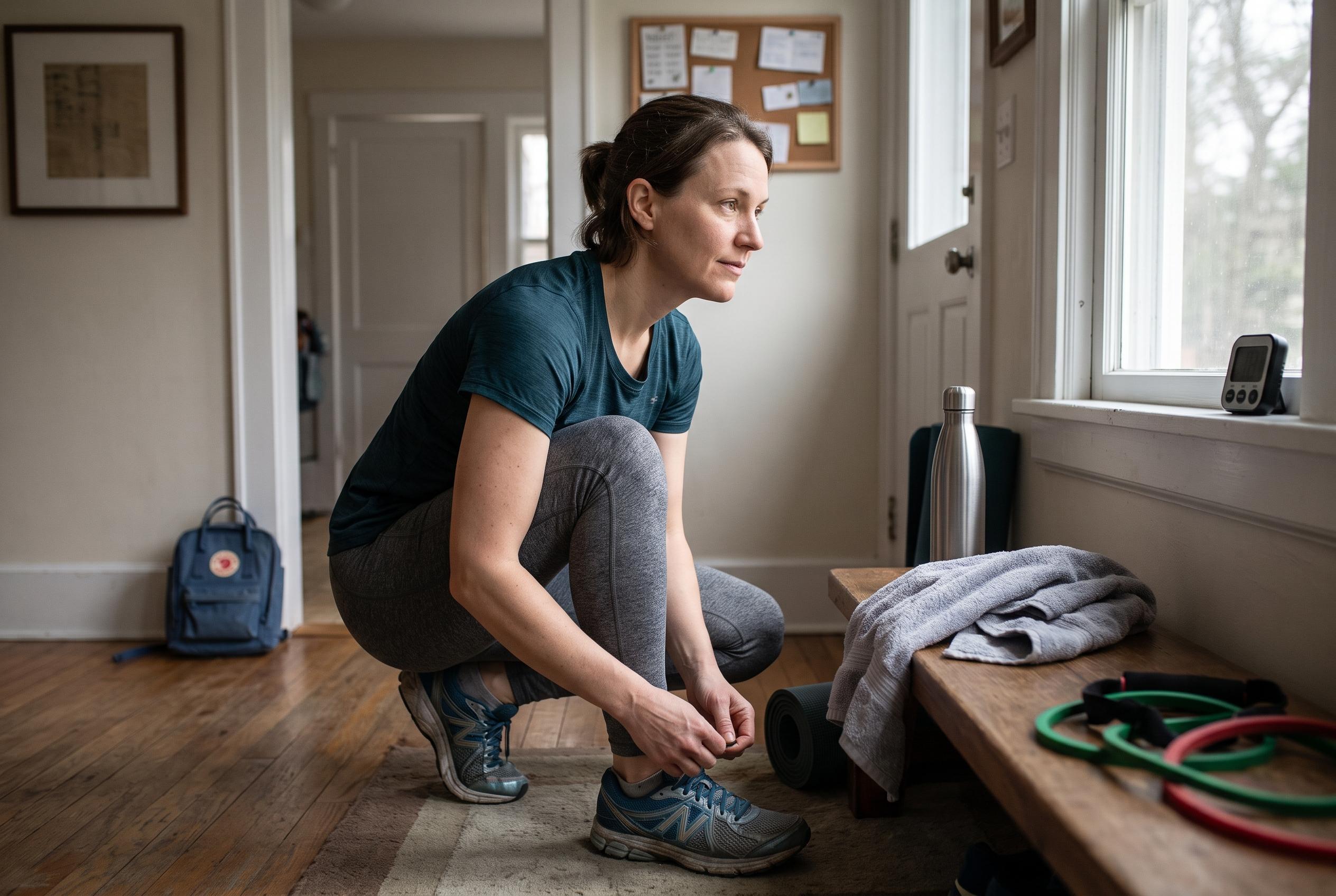

A University College London study reveals that personality types significantly impact fitness preferences and sustainability, suggesting customised approaches could boost long-term exercise adherence.
A recent study from University College London suggests that the exercise people stick with may depend less on willpower than on temperament. Writing in Frontiers in Psychology, the researchers found that personality traits shaped not only which workouts participants preferred, but also how much they enjoyed them and, in some cases, how well they fared physically. Extraverts were more likely to like hard, fast sessions such as high-intensity interval training, while people who scored higher for neuroticism tended to prefer shorter bursts over longer efforts. (ucl.ac.uk)
The study also pointed to clear patterns across the Big Five personality traits, the standard model that groups people by extraversion, conscientiousness, neuroticism, agreeableness and openness. According to the Frontiers paper, conscientious participants generally showed stronger overall fitness and more weekly physical activity, while openness was linked to lower enjoyment of some higher-intensity sessions. The researchers also reported that neurotic participants experienced the biggest fall in stress after the exercise programme, even if they were less inclined towards long workouts at the outset. (frontiersin.org)
For adults struggling to build a routine, the practical lesson is straightforward: the best exercise is the one that feels sustainable. UCL said the findings support more tailored programmes rather than a one-size-fits-all approach, with group classes, solo sessions, structured training or gentler activities such as walking and cycling suited to different personalities. The researchers also suggested that small, everyday movements count, from taking the stairs to breaking up long periods of sitting, because consistency matters more than occasional punishing workouts. (ucl.ac.uk)
Disclaimer: This content is for informational purposes only and is not intended to be a substitute for professional medical judgment, advice, diagnosis, or treatment.