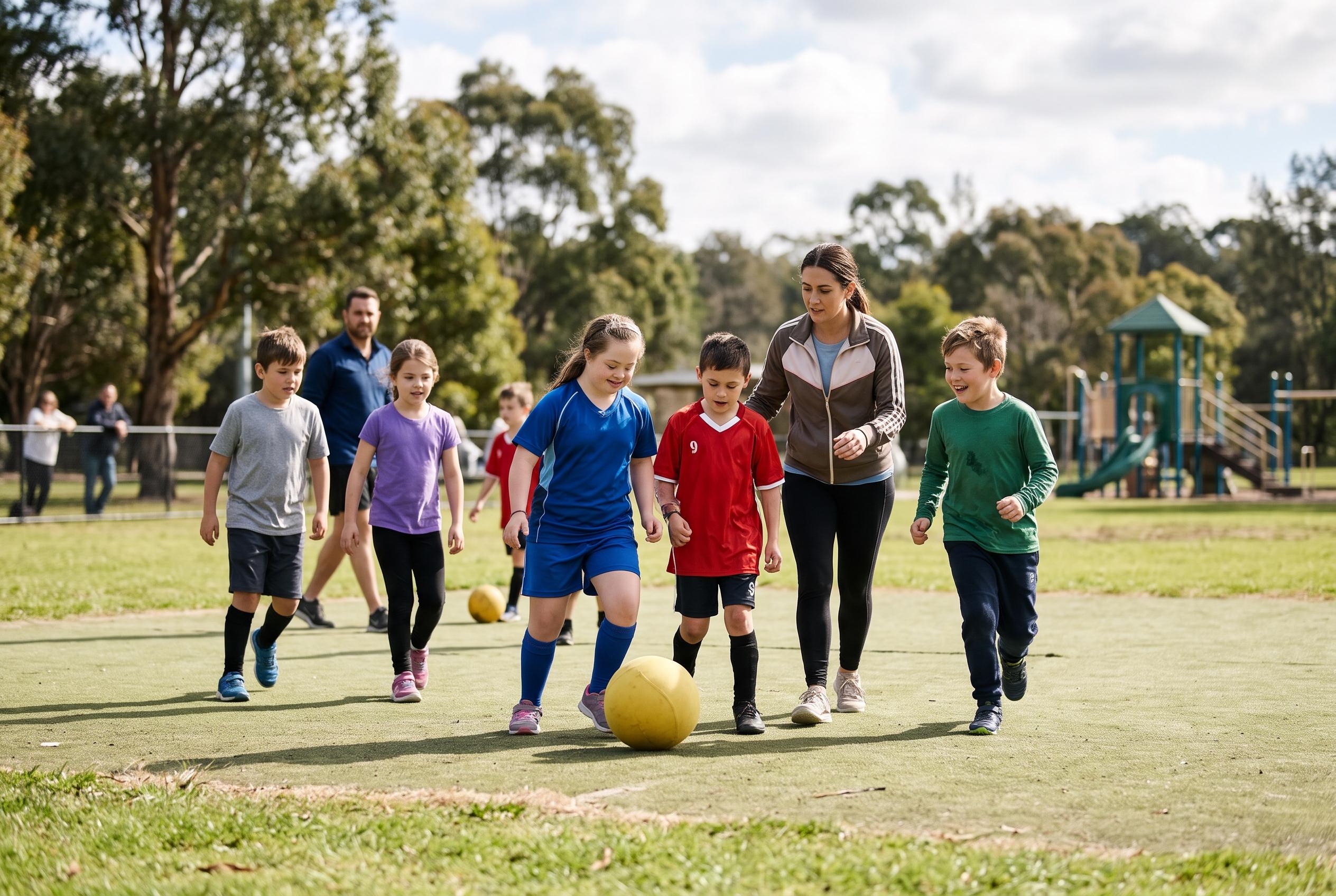

With only one in 10 children with intellectual disabilities meeting daily activity guidelines, advocates say adapted sport must be treated as essential infrastructure rather than optional support.
For those involved in para sport, the value of inclusion is visible long before any podium finish. It can be seen in confidence gained, friendships formed and the simple relief of finding a place where participation feels natural rather than conditional. In an opinion piece published by Barometern OT, a leader in para sport argues that the point is not only competition, but belonging, health and the chance to be part of a community on equal terms.
Yet for many people with intellectual disabilities, especially children and young people, access to organised activity remains uneven. Generation Pep’s 2025 PEP Report found that only one in 10 children with intellectual disabilities meets the recommended 60 minutes of daily physical activity, while eight in 10 say they struggle to be active in their leisure time. The report points to practical barriers that go well beyond willingness, including the availability of adapted activities, trained leaders and support that makes participation possible in everyday life.
That is why the debate cannot stop at welcoming language alone. The Swedish Public Health Agency has estimated that sedentary behaviour and too little physical activity cost society 16.5 billion Swedish kronor in 2023, with expenses linked to cancer, cardiovascular disease, psychiatric conditions and type 2 diabetes. The agency has also stressed that even modest increases in movement can improve health and reduce risk. Against that backdrop, the case made by para sport advocates is less about sentiment than policy: if society wants more people to move, it must help clubs, families and volunteers remove the obstacles that keep them out.
The argument is also a financial one, though not in the narrow sense of counting medals or immediate returns. The Barometern OT contributor says para sport should be seen as an investment in independence, wellbeing and social connection, while warning that the burden should not fall entirely on unpaid organisers. As temporary support programmes fade and more responsibility is absorbed into ordinary funding structures, the question becomes whether clubs will have the resources to meet need. The answer, the writer suggests, will shape not just participation in sport, but the broader promise of inclusion itself.
Disclaimer: This content is for informational purposes only and is not intended to be a substitute for professional medical judgment, advice, diagnosis, or treatment.