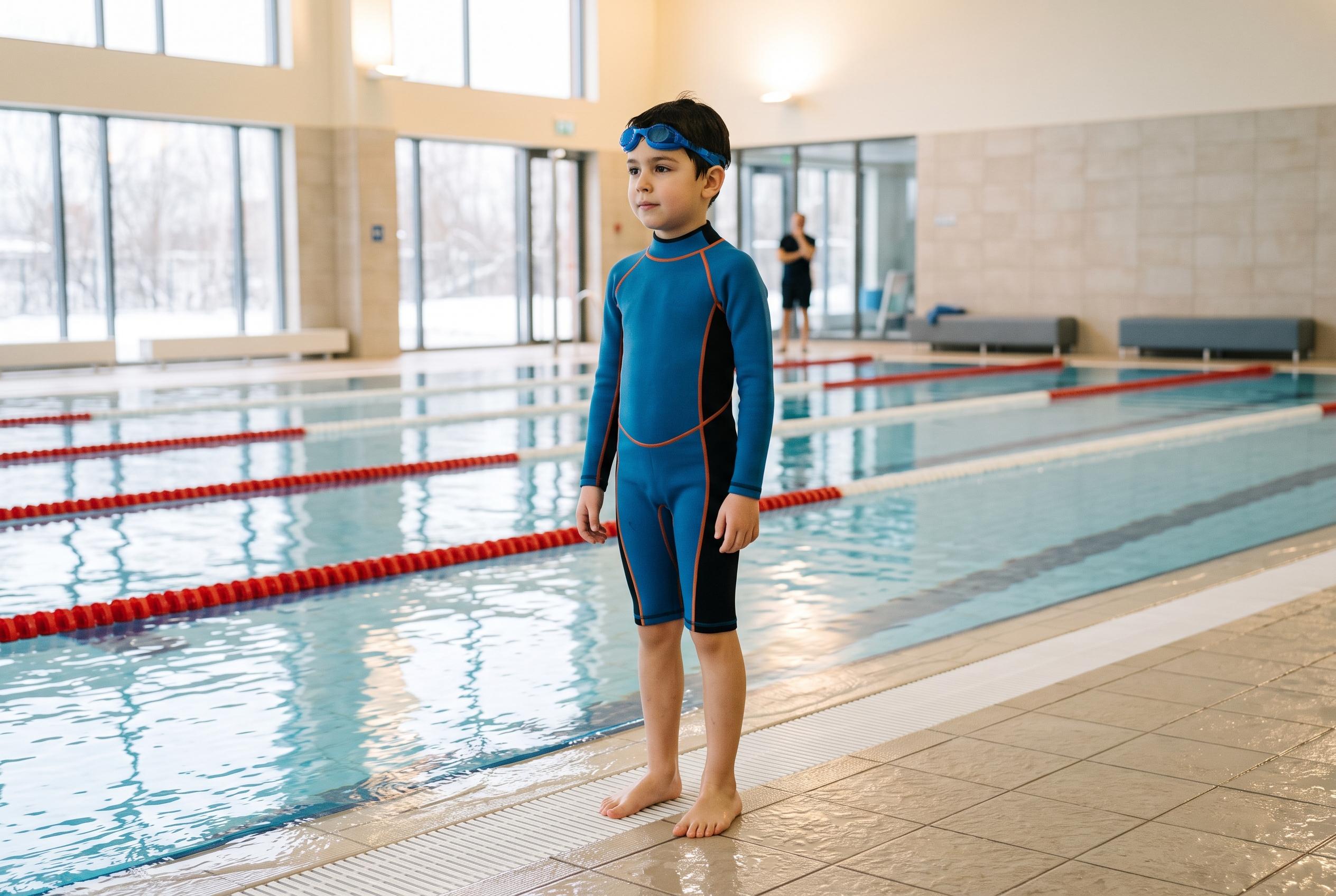

Parents are prioritising durability, fit, and chlorine resistance in children’s swimwear for winter training, as experts emphasise the importance of quality gear for frequent swimmers in heated pools.
Cold weather does not have to mean a break from swimming lessons. In many families, winter training continues in heated pools, which makes swimwear a practical consideration rather than a simple matter of style. For children who are in the water several times a week, durability, fit, comfort and drying time matter far more than they would for occasional recreational use.
María Eneyda Romero, brand manager at Swim World, said a training suit should allow movement, withstand repeated weekly use and remain comfortable enough for children to focus on learning and enjoying the activity. That thinking aligns with guidance from child-swimwear specialists, who say parents should look first at the fabric rather than the design. Chlorine-resistant materials are especially important for frequent swimmers because repeated exposure to treated pool water can gradually weaken stretch, shape and colour.
Quick-drying fabric is another useful feature in winter, when children may be changing in cooler air after a lesson. Swimwear experts also advise choosing materials that feel soft against the skin and checking seams carefully to reduce rubbing during long sessions. A proper fit is equally important: a suit that is too loose can shift in the water, while one that is too tight can restrict movement and become uncomfortable. Several swimwear guides also note that high-polyester blends tend to hold up better over time than suits with a large amount of elastane, which can break down more quickly in chlorinated pools.
Parents should also think beyond the suit itself. Goggles and a swim cap may be required depending on pool rules and training needs, while a towel, robe and dry clothes are particularly helpful after winter sessions. Health authorities, including the World Health Organization, recommend that children and adolescents aged 5 to 17 get an average of at least 60 minutes a day of moderate to vigorous physical activity across the week, and swimming can be one way to help meet that target when the right facilities are available. As with any sport, the clothing is only one part of the picture; supervision, safety and suitable pool conditions remain essential.
Disclaimer: This content is for informational purposes only and is not intended to be a substitute for professional medical judgment, advice, diagnosis, or treatment.