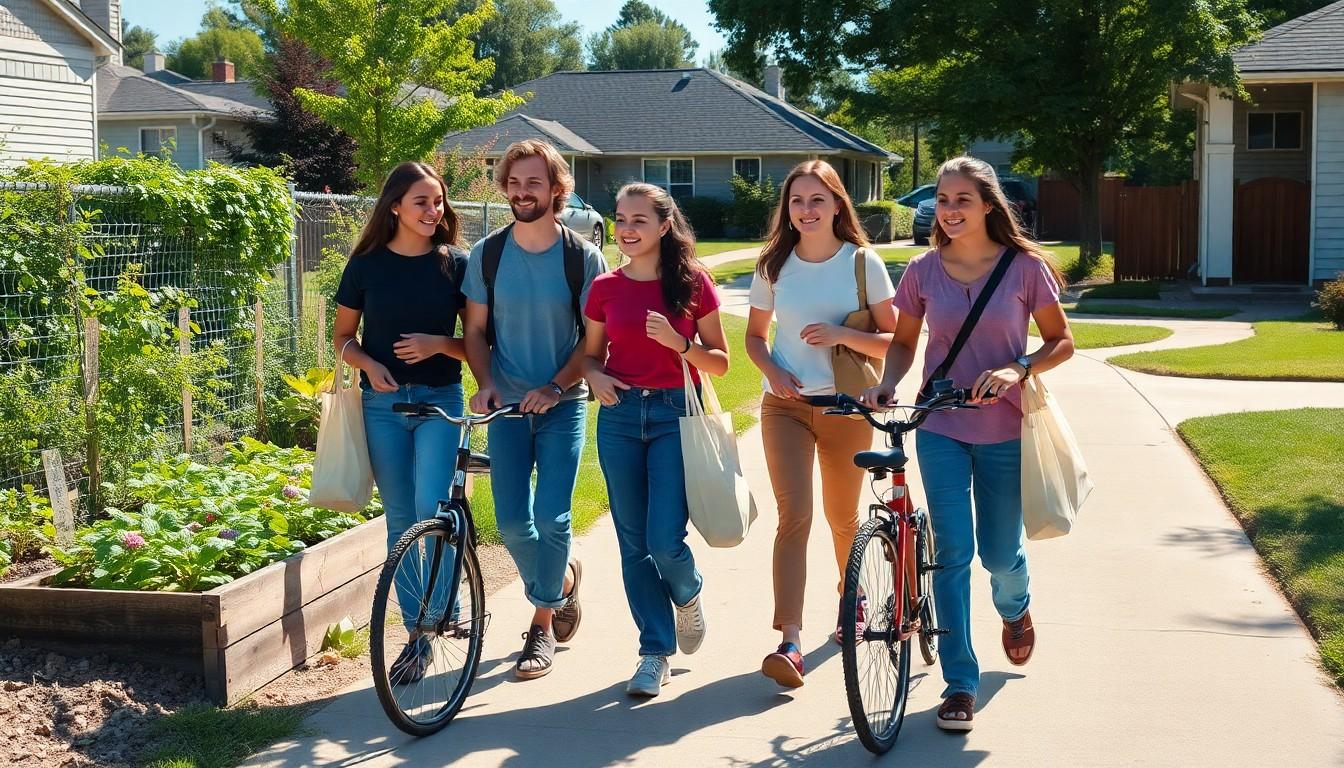

Innovative, low-cost projects and responsible tasks are helping teenagers build confidence, independence, and skills this summer, moving beyond traditional entertainment to meaningful growth opportunities.
For many families, the long summer break becomes awkward just as children enter their teenage years. At 13 to 16, young people are often too old for the usual children’s clubs, yet not quite ready to disappear into the adult world, and parents can be left trying to bridge a gap between freedom and structure. Emma and 3 argues that the answer is not to pack every day with paid-for outings, but to give teenagers projects that make them feel trusted, useful and independent.
That approach is echoed by other family and teen-focused guides, which point towards low-cost activities that are more about autonomy than entertainment. Swimply’s round-up of cheap summer ideas and MadeForMums’ teen bucket list both stress screen-free creativity, while TeenTreks highlights the confidence that can come from active challenges and real-world responsibility. The common thread is that teenagers tend to engage better when they are given ownership rather than simply being instructed to keep busy.
One of the most effective ideas is to hand over a small sum of money and challenge a teenager to turn it into something more. Emma and 3 suggests starting with £10 to £20 and letting them choose whether that means selling handmade goods, offering pet care locally, or finding bargains to resell. Beyond the chance to make a profit, the exercise teaches them pricing, communication and basic enterprise in a way that feels more like a project than a chore.
The same principle applies to planning family activities. Instead of parents carrying the full burden of organising the summer, teenagers can be asked to research affordable days out, compare options and present a proposal. That could mean a free museum visit, a local festival, a nature trail or a library event. It is a simple way to build confidence in budgeting, research and decision-making, while also showing young people that their judgement matters.
Summer is also a useful window for picking up practical skills. Emma and 3 recommends a 30-day challenge, allowing the teenager to choose something genuinely useful or interesting, such as cooking, coding, photography, touch typing or video editing. MadeForMums and Run to Radiance make similar points, arguing that a holiday challenge works best when it produces visible progress and gives teenagers something tangible to be proud of.
Cooking and money-saving tasks are particularly strong options because they prepare young people for greater independence. Learning five reliable meals, helping to plan a food shop, or decluttering a bedroom and selling unwanted clothes on resale platforms all bring a sense of achievement. These tasks also have a real-world value: they build organisation, patience and a more concrete understanding of what things cost.
For teenagers who prefer social activities, group projects can be especially motivating. Emma and 3 suggests mini businesses with friends, while Soul Itinerary recommends shared creative challenges, volunteering together and community-based activities that strengthen friendships as well as confidence. A £5 day out, a picnic, a treasure hunt or a local sports competition can be more appealing than a costly trip if the planning belongs to the teenagers themselves.
There is also real value in encouraging young people to look more closely at their own surroundings. Becoming a local explorer, making a photo diary, or filming a short guide to places nearby can help teenagers see familiar streets and spaces differently. Other guides, including those from Swimply and Run to Radiance, make a similar case for creative, screen-free projects that turn everyday places into something worth documenting.
Volunteering remains one of the strongest suggestions across the different lists. Animal shelters, food banks, environmental projects and community events all give teenagers experience beyond their own circle, and the sense of being needed can be surprisingly powerful. It is a reminder that summer does not have to be measured by entertainment alone; it can also be a chance to contribute, learn and grow.
The broader message running through all of these ideas is that teenagers rarely need to be constantly entertained. They are usually looking for trust, responsibility and the chance to prove something to themselves. Whether they are earning a little money, learning a new skill, helping at home or creating something from scratch, the best summer holiday activities are often the ones that leave them feeling more capable by September.
Disclaimer: This content is for informational purposes only and is not intended to be a substitute for professional medical judgment, advice, diagnosis, or treatment.