

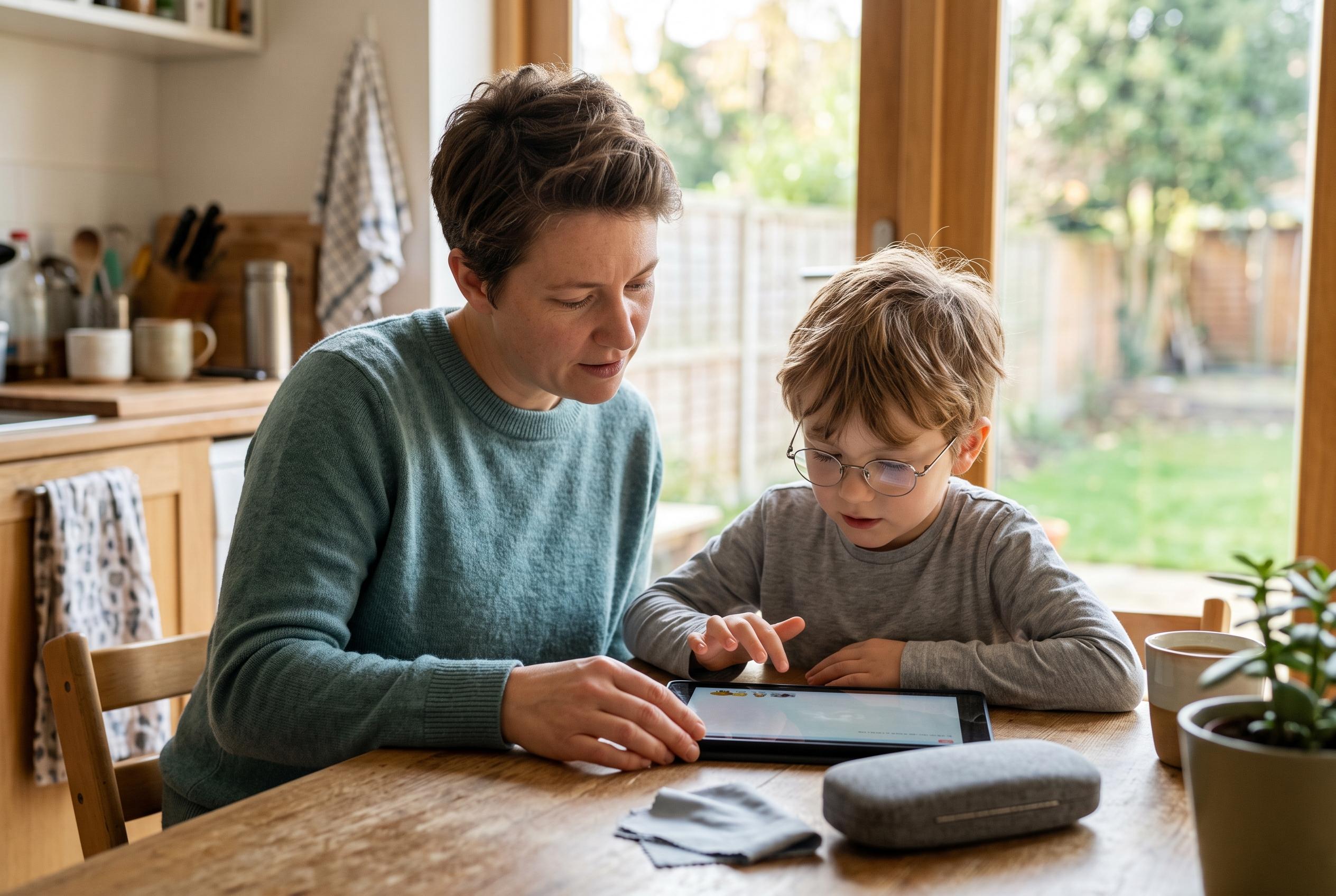

A $17.1 billion settlement between Meta and US states has intensified debate over social media’s role in addictive behaviour and eye health, with experts warning of a rise in childhood myopia linked to excessive screen use and reduced outdoor activity.
A landmark settlement between Meta and US states has renewed scrutiny of the way social media platforms are designed to hold young users’ attention, and ophthalmologists say the issue may extend beyond mental health. According to CBS News and the Los Angeles Times, Meta agreed to pay up to $17.1 billion to resolve claims that Facebook and Instagram were built to be addictive for teenagers, with the company also facing new child-safety obligations such as time caps, stronger age checks and tighter parental controls. The legal pressure comes as doctors warn that heavy screen use is contributing to a parallel problem: a sharp rise in childhood myopia.
That concern has been growing for years. Research cited by the article from La Nación points to a future in which half the population could be short-sighted within a generation if current habits continue. Myopia, or short-sightedness, occurs when the eye grows too long and distant objects appear blurred. Specialists say the condition is shaped by both genes and environment, but that prolonged close-up viewing and too little time outdoors are two of the biggest modifiable risks.
Studies in the medical literature support that view. Research published in Ophthalmology & Visual Science found differences in light exposure between children with myopia and those without it, while a separate study in Optometry and Vision Science linked reduced exposure to bright light and lower physical activity with greater myopia risk. A 2024 systematic review in Frontiers in Public Health concluded that more time outdoors, and in some settings red-light therapy, can help prevent or slow progression, though it also said more evidence is needed on safety and implementation.
The biological case for outdoor time is straightforward. Bright natural light appears to stimulate chemical signals in the retina that help limit excessive eye growth, while too much near work does the opposite. On that basis, eye specialists commonly advise children to spend at least two hours a day outdoors. In the Argentine article, Roberto Borrone argues that this advice is becoming more urgent as screens dominate leisure time, homework and even social life.
The local evidence is troubling. The La Nación piece says a study of secondary-school students in Buenos Aires found an average daily screen time of 6 hours and 34 minutes, and it cites research showing that children who use phones at night face roughly double the risk of myopia, with risk rising further after two hours of exposure. The article also notes that during Covid-19 lockdowns, myopia progression among Argentine children accelerated. Paediatric eye doctors now have tools to slow the condition, including low-dose atropine drops and special lenses, but prevention remains the stronger option. That means earlier eye checks, more outdoor activity and, perhaps, a broader rethink of how much of childhood should be spent staring at a glowing screen.
Disclaimer: This content is for informational purposes only and is not intended to be a substitute for professional medical judgment, advice, diagnosis, or treatment.



