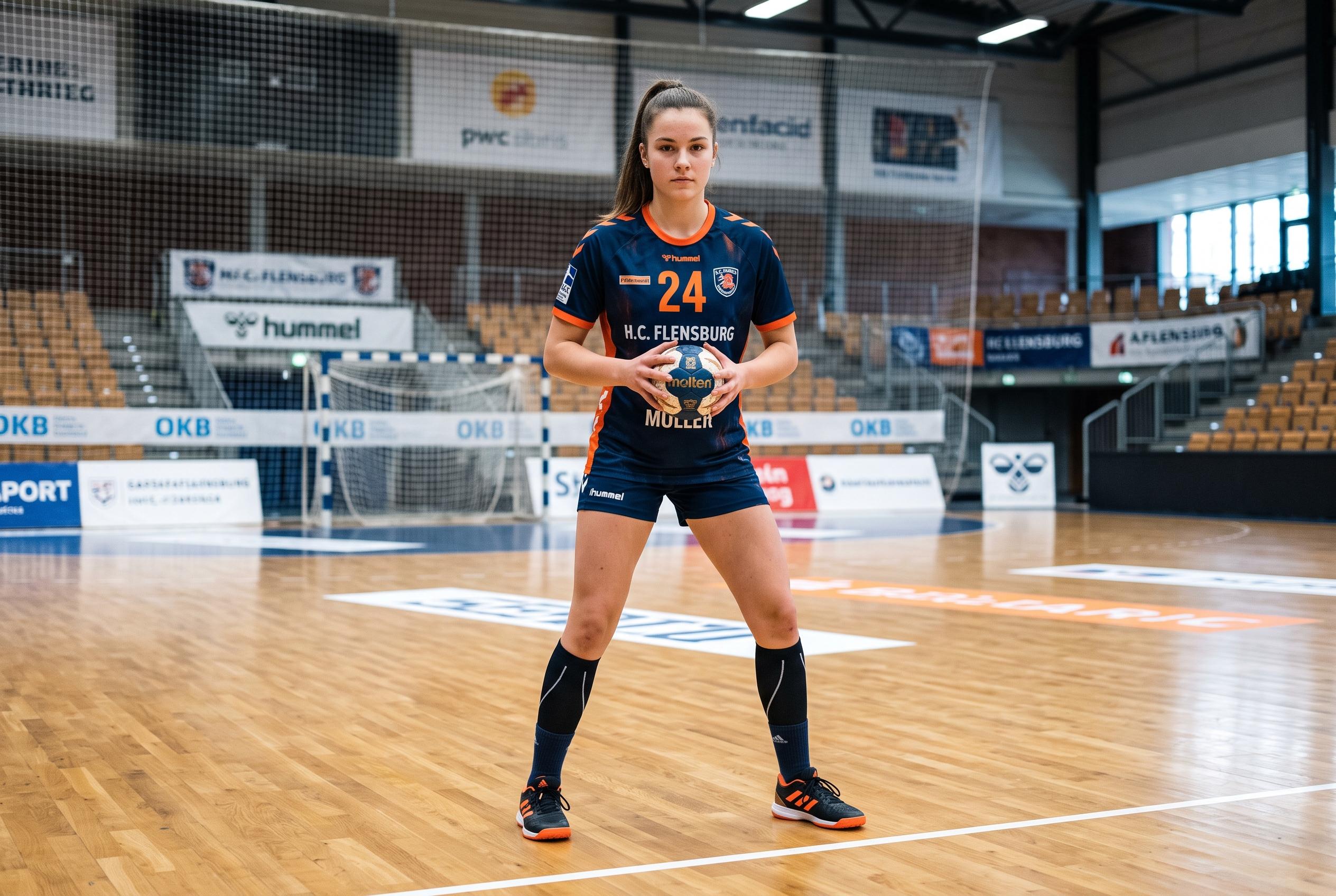

A new study suggests that a tailored 8-week mental skills programme combining relaxation and imagery can improve balance and motivation among adolescent female handball players, highlighting the potential of psychological training in youth sports development.
An 8-week mental skills programme combining progressive muscle relaxation and imagery improved balance and motivation in adolescent female handball players, according to a Frontiers in Psychology study. The researchers compared 18 players who added the sessions to regular club training with 18 peers who continued normal practice.
The study used a pre- and post-test design across two clubs at a similar competitive level. Players were 15.8 years old on average and had at least 3 years of handball experience. They completed the Sport Motivation Scale and the Lower Quarter Y-Balance Test before and after the intervention, which took place three times a week for about 25 to 30 minutes. According to the paper, the mental training combined Jacobson-style muscle relaxation with guided imagery built around sport situations.
Results showed better balance scores over time in both groups, but the gains were larger in the group that received the mental preparation programme. The same pattern appeared in several motivation measures, including intrinsic motivation to achieve and to learn, as well as identified regulation, which reflects valuing the activity. External regulation fell more sharply in the intervention group, while amotivation declined in both groups without a clear between-group difference.
The authors said the findings support using structured psychological skills training alongside technical and physical handball work, especially during adolescence, when motivation and neuromuscular control are still developing. They also cautioned that the study was small, non-randomised and lacked an active control group, so the benefits cannot be attributed to one technique alone. Even so, they argued that brief mental preparation sessions may be a practical way to support both performance and long-term engagement in youth sport.
Disclaimer: This content is for informational purposes only and is not intended to be a substitute for professional medical judgment, advice, diagnosis, or treatment.