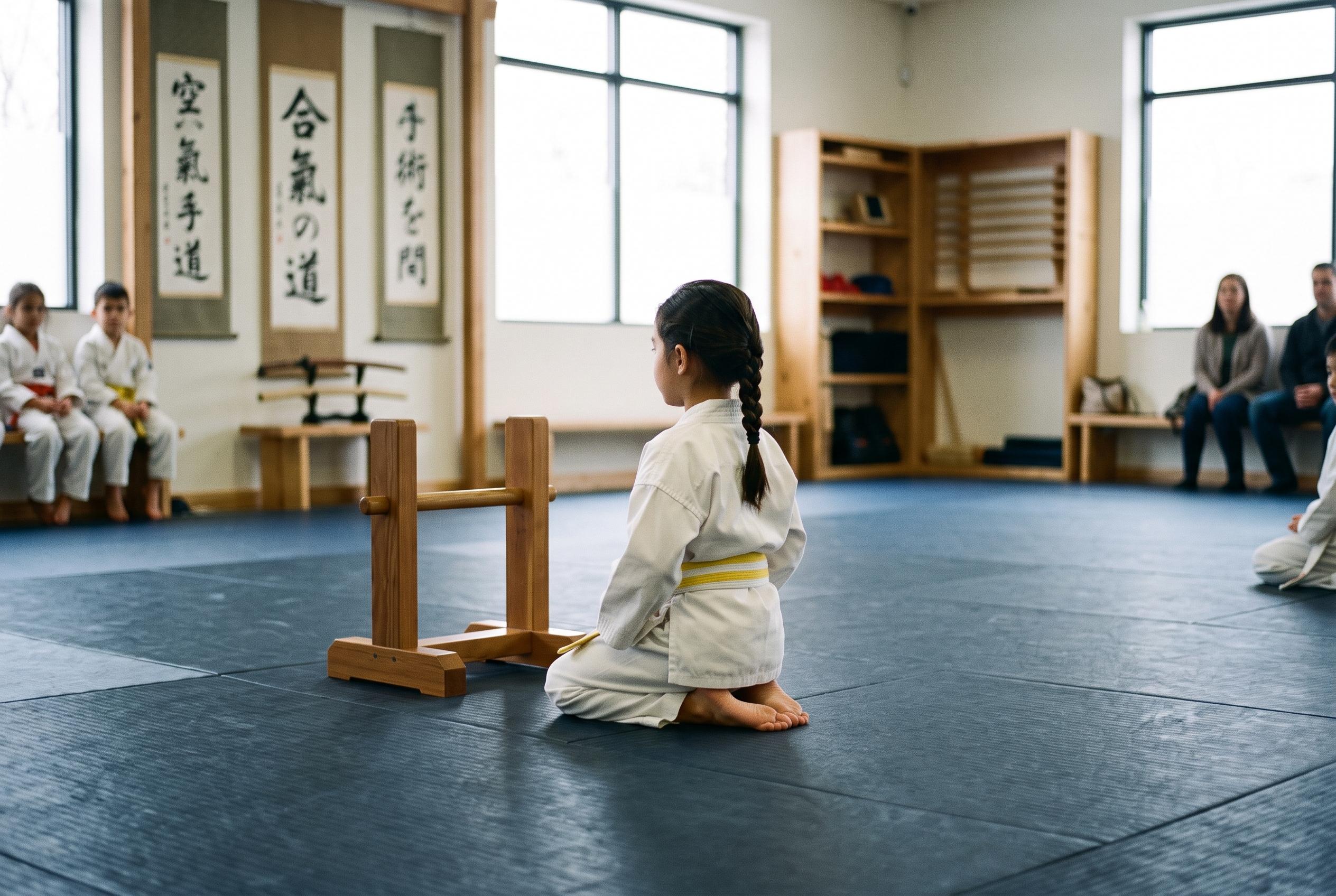

Experts highlight that structured challenges in martial arts help children build confidence, discipline, and emotional resilience, emphasising the importance of learning through struggle.
Parents are often wired to smooth the path for their children, but child development experts say a certain amount of challenge can be essential. In martial arts, that idea is built into the lesson plan: children are asked to try, fail, correct and try again. The American Academy of Pediatrics’ HealthyChildren.org says martial arts can support fitness, motor skills, focus and discipline, while also helping shape behaviour and academic habits.
Research backs up some of those claims. A systematic review in the National Center for Biotechnology Information found that martial arts participation in children was linked with better physical fitness, improved motor and cognitive skills, and positive social and emotional changes, including greater self-confidence and lower aggression. Understood.org, which focuses on children with learning and thinking differences, notes that structured challenges can also help build courage, determination and self-esteem.
That is part of the appeal for families who choose martial arts over less demanding activities. The Philadelphia YMCA says classes can teach self-control, concentration, respect and self-defence, while also encouraging healthy routines and character development. For many children, the value is not in mastering a move quickly, but in learning how to handle nerves, accept correction and keep going when a task feels uncomfortable.
In that sense, the real lesson is broader than kicks, punches or belts. Children who are given safe, age-appropriate struggle often learn that discomfort is not a signal to stop, but a sign they are growing. That can matter at home, in school and later in life, when confidence and resilience depend less on praise and more on having proved to themselves that they can do difficult things.
Disclaimer: This content is for informational purposes only and is not intended to be a substitute for professional medical judgment, advice, diagnosis, or treatment.