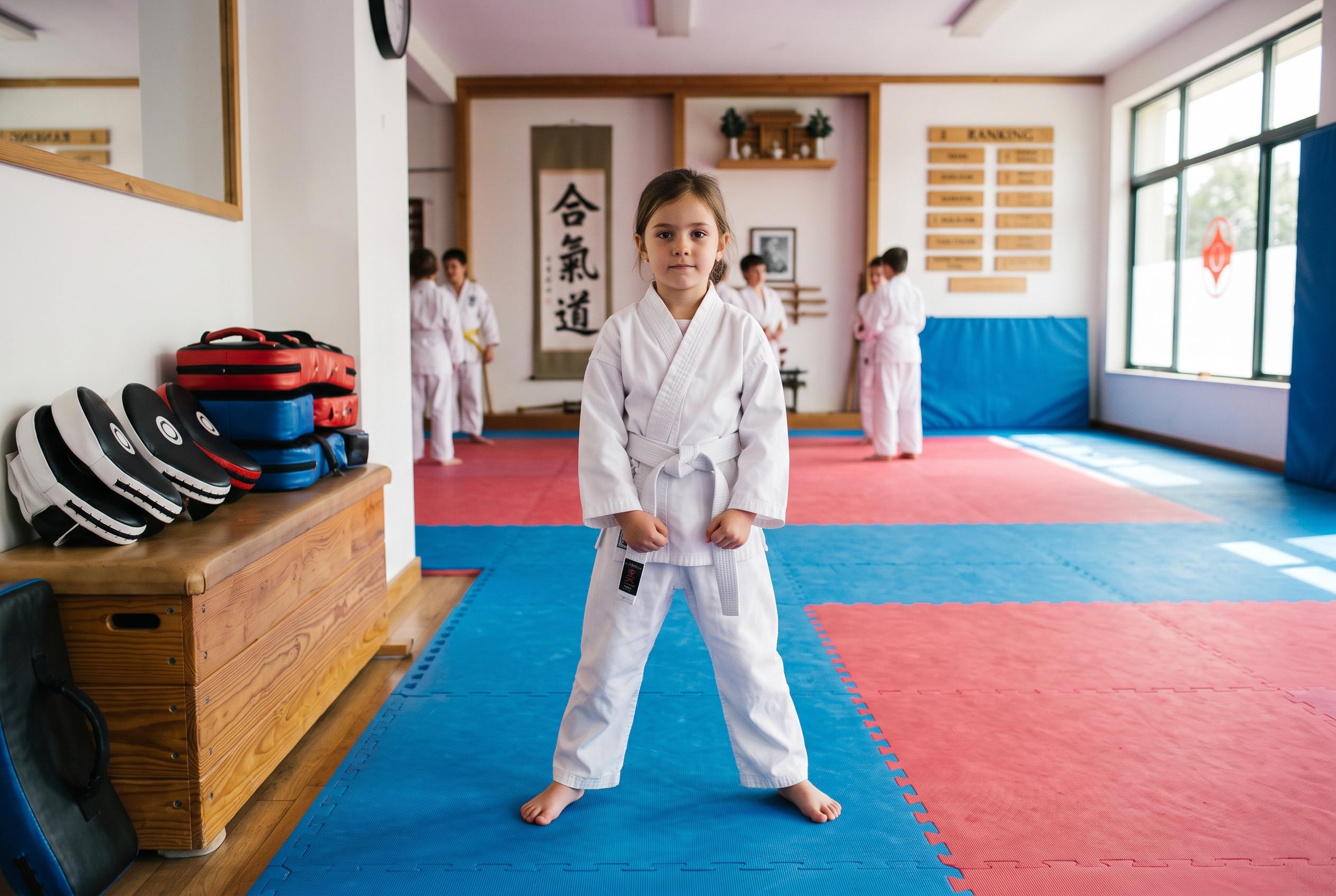

Martial arts offer children more than fitness, fostering vital character traits such as confidence, discipline, respect, and self-control, which can significantly benefit their school and social lives.
Martial arts can offer children far more than a way to stay active. According to the material from My Tunbridge Wells, the real value often lies in the character traits it helps to shape: confidence, discipline, respect, self-control and the ability to work steadily towards a goal. Those lessons can matter just as much at school and at home as they do in class. The broader guidance from martial arts schools and youth organisations reaches the same conclusion, describing the practice as a structured activity that supports personal growth as well as fitness.
One of the strongest benefits is confidence. As children learn a move, practise it and eventually perform it well, they experience achievement in a very direct way. The YMCA of Philadelphia and Vicinity says that martial arts can improve self-esteem and concentration, while other training providers note that confidence grows because progress is earned rather than handed out. That sense of mastery can help children speak up more clearly, cope better with setbacks and approach new situations with less hesitation.
Discipline and focus are also built into the routine. Children are expected to listen carefully, follow instructions and stay attentive throughout training, which, according to several martial arts programmes, often carries over into schoolwork and homework. The structure of classes teaches patience and consistency, two habits that help children improve over time. Instructors also tend to emphasise memorisation and coordination, skills that can strengthen concentration in other parts of daily life.
Respect is another central lesson. Many schools describe bowing to instructors and training partners as part of the culture, but the wider message is about courtesy, humility and working well with others. Children learn that everyone in the room is there to improve, regardless of rank or ability. That environment can encourage cooperation rather than rivalry, and it helps young people understand that strength does not need to come with arrogance.
Martial arts can also help children handle conflict more thoughtfully. Several of the source articles argue that children who feel capable of defending themselves are often less likely to act aggressively, because they are more confident in walking away or using words first. That approach links self-defence with restraint, teaching children to calm down, assess a situation and choose the safest response. Add the belt system, with its clear milestones and long-term progression, and martial arts becomes a practical way to teach perseverance as well as technique.
Disclaimer: This content is for informational purposes only and is not intended to be a substitute for professional medical judgment, advice, diagnosis, or treatment.