

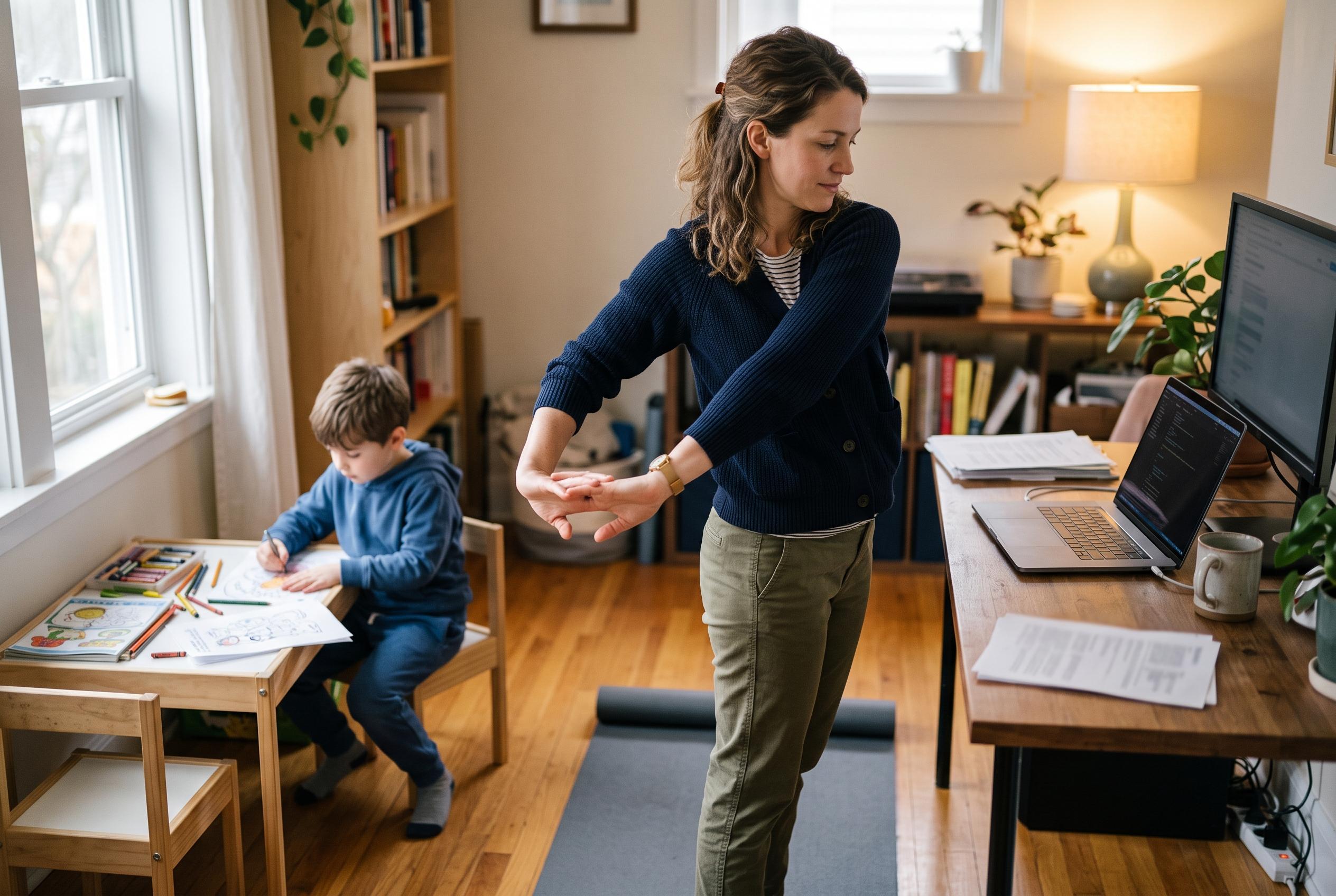

Medical experts advocate for short, frequent bursts of movement during prolonged sitting to reduce risks of diabetes, obesity, and cardiovascular disease, offering a practical complement to regular exercise.
Extended stretches of sitting have become a fact of modern life, but clinicians increasingly warn that the habit carries real health costs. In a Medscape transcript, Neil Skolnik described sedentary time as a contributor to diabetes risk, obesity with metabolic complications, cardiovascular mortality, poor mental health, several cancers, neurodegenerative disease and higher all-cause mortality. The American Heart Association and other medical groups have also argued that too much sitting can undermine health even in people who exercise regularly.
That is where “exercise snacks” come in. The idea is simple: interrupt long periods of sitting with brief bouts of movement, typically lasting around five minutes each hour. Skolnik said this approach can reduce the metabolic downsides of inactivity by improving insulin resistance, lowering post-meal blood glucose and boosting a person’s sense of well-being.
The concept is not a replacement for regular exercise, but a practical way to add movement into a day that may otherwise be dominated by desk work, commuting or screen time. According to guidance from the US Department of Health and Human Services, moderate-intensity activity still matters, and brisk movement such as stair climbing, squats or jumping jacks during a short break can contribute towards a daily activity target.
Medical organisations have long pointed out that breaking up sedentary time can help reduce the risks associated with a largely inactive routine. Cleveland Clinic says prolonged sitting is linked to obesity, heart disease and some cancers, while MedlinePlus notes that inactivity can also contribute to muscle weakness, bone loss and metabolic problems. Mayo Clinic similarly advises short activity breaks throughout the day, even for people who already work out.
For parents, caregivers and anyone trying to model healthier habits at home, the message is straightforward: movement does not have to come only from a structured workout. Standing up regularly, walking a little, stretching or taking the stairs can all chip away at the harm of sitting too long. The practical goal is not perfection, but interruption.
Disclaimer: This content is for informational purposes only and is not intended to be a substitute for professional medical judgment, advice, diagnosis, or treatment.



