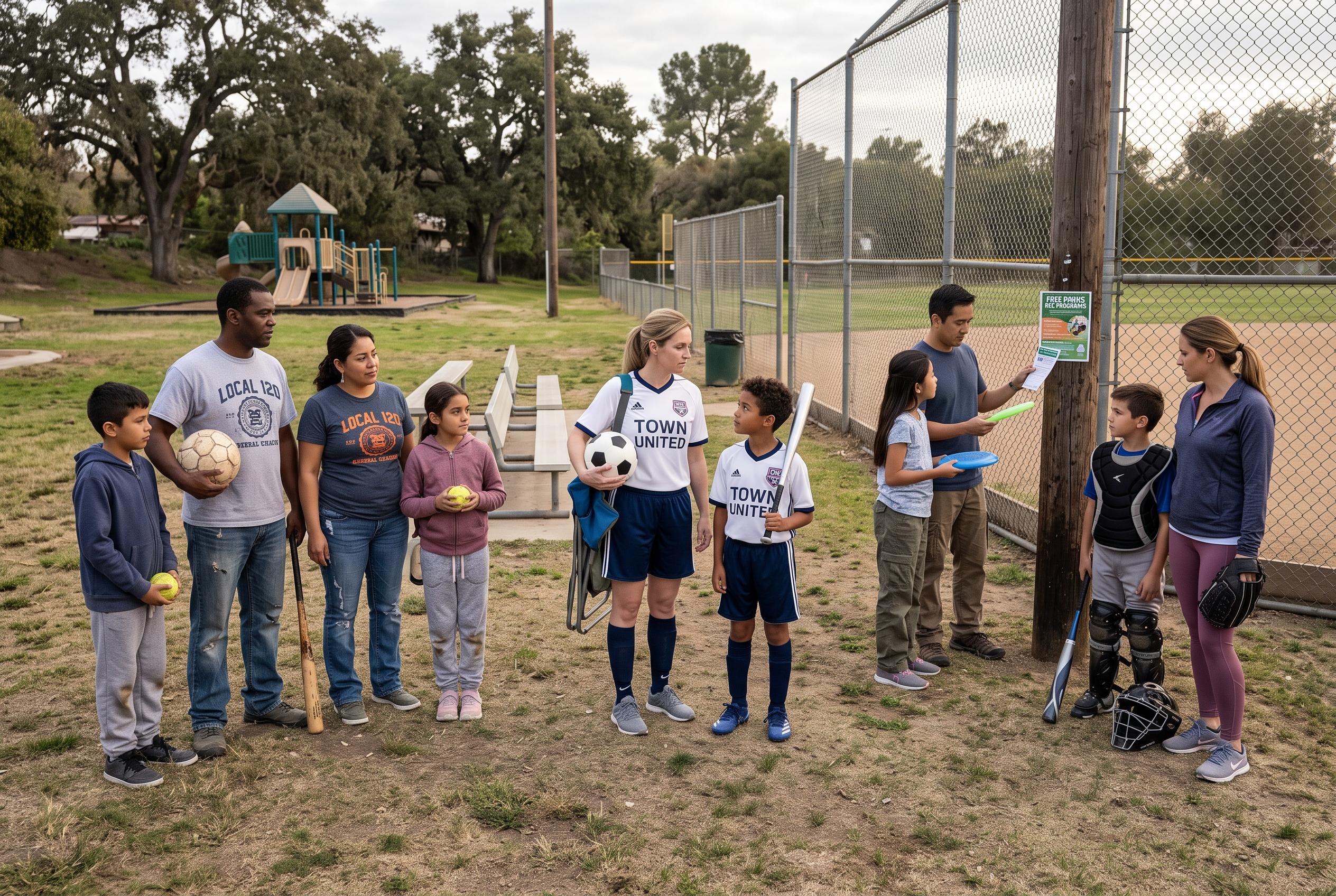

New polling reveals that while American parents broadly value organised sports for childhood development, access remains heavily influenced by family income, raising concerns over broader social inequality in youth opportunities.
American parents overwhelmingly see organised sport as a force for good in childhood, but new polling shows that access still depends heavily on family income. An AP-Ipsos survey found that about 7 in 10 parents in households earning at least $100,000 a year say their children take part in organised sports, compared with about 4 in 10 lower-income parents. The results suggest that, even as families across the income scale value the lessons sports can provide, cost remains a significant barrier for many.
The poll found near-universal agreement among adults that youth sport helps children learn teamwork, cope with setbacks, improve fitness, make friends and spend less time on devices. It also found that about three-quarters of adults who played organised sports as children say the experience had a mostly positive effect on their upbringing, while about 6 in 10 say it benefited them later in life too. That broader sense of value helps explain why so many parents continue to prioritise sports despite the strain on family budgets.
Money remains the most obvious pressure point. About two-thirds of parents with children in sports estimate they spend up to $2,000 a year on equipment, fees, training and travel, while about 2 in 10 say their annual outlay is between $2,000 and $5,000 and roughly 1 in 10 spend even more. The AP-Ipsos poll also found that higher-income and lower-income sports families tend to spend similar amounts in absolute terms, which means the same price tag bites much harder for households with less room in the budget. A separate survey commissioned by Good Sports found that many parents have seriously considered pulling children out of sports because the costs are unsustainable.
Parents interviewed in the poll described the juggling act in practical terms. In Ohio, Tanisha Curry said travel, uniforms and even shared lunch costs add up, though her family helps cover the expense for her granddaughter’s volleyball participation. In New York, Kathryn Stuczynski said she and her husband deliberately sacrifice other purchases so their daughters can stay active in martial arts and wrestling. Both parents framed the spending as worthwhile because it keeps children engaged, builds confidence and gives them something constructive to focus on outside screens.
The survey also shows that many families still see sports through the lens of long-term opportunity. About 8 in 10 sports parents say the chance to improve college prospects is at least a minor benefit, while about 6 in 10 say scholarships or better admissions odds played at least some role in their decision to enrol a child. Lower-income parents are more likely than wealthier ones to say those possibilities mattered a great deal, suggesting that athletics can carry extra weight as a route to advancement. Yet for most families, the main appeal remains simpler: children being active, learning discipline and enjoying themselves.
Disclaimer: This content is for informational purposes only and is not intended to be a substitute for professional medical judgment, advice, diagnosis, or treatment.