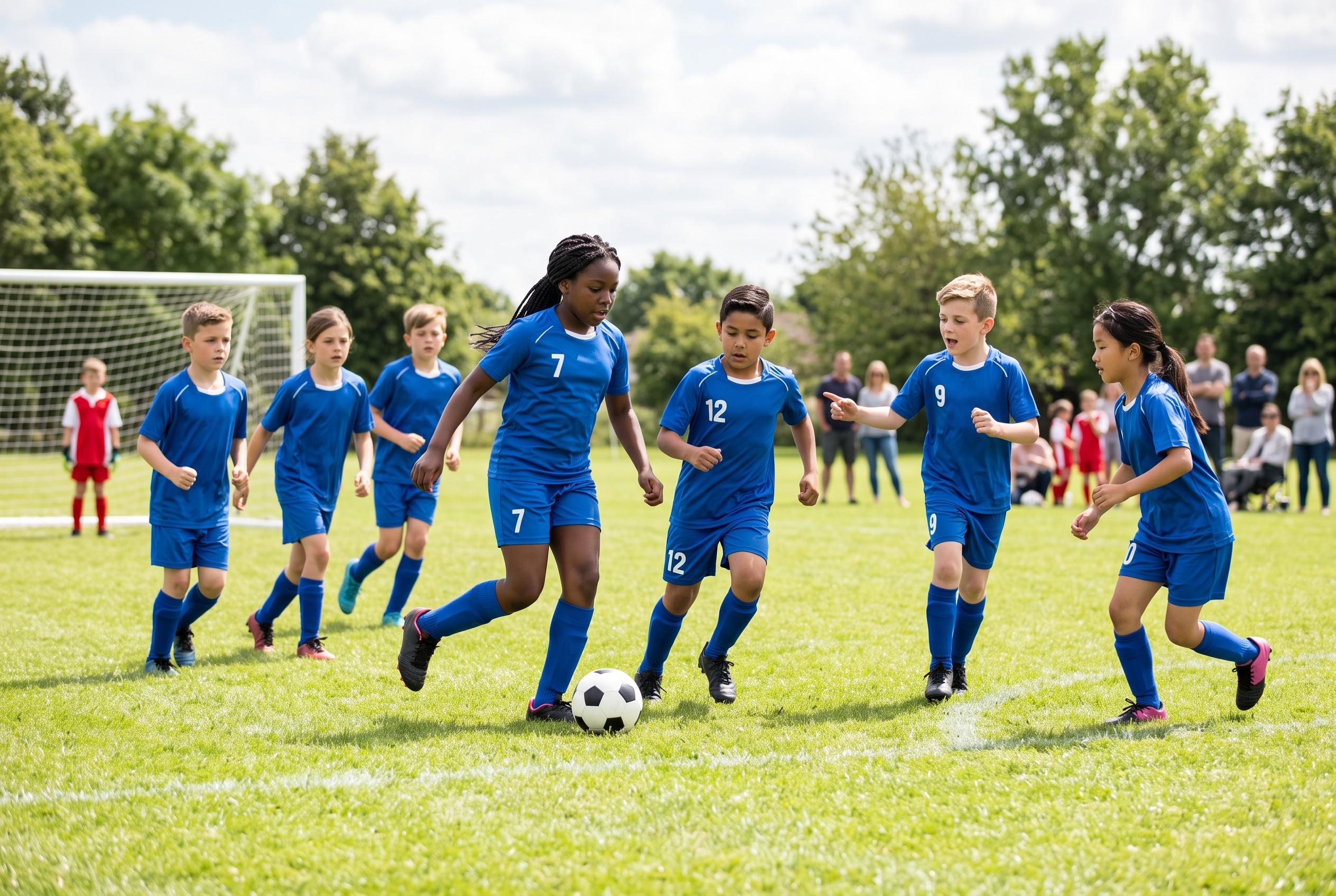

Organised sports go beyond recreation, serving as vital training grounds for developing teamwork, discipline, resilience, and decision-making , essential traits for future leaders.
Sports are often treated as recreation, a way for children to burn energy, chase trophies or enjoy a Saturday afternoon. Yet, as educators and child development resources note, organised games also act as a training ground for character, helping children practise the habits that later underpin leadership. Team sports and individual events alike can teach young people how to cooperate, cope with pressure, make decisions and carry themselves with integrity.
One of the clearest lessons is teamwork. In football, basketball, volleyball or relay races, children quickly discover that talent alone is not enough. They have to trust one another, share responsibilities and understand that each player’s contribution matters. That same instinct for collaboration becomes vital later in life, whether a child grows into a doctor, teacher, engineer or community organiser.
Sports also reward discipline, which is often the difference between ability and achievement. Training regularly, arriving prepared, following instructions and sticking with practice even when motivation fades all build habits that carry far beyond the pitch or track. Health and youth development resources say these routines help children learn time management and responsibility, while parents and coaches are often urged to reinforce that progress comes from steady effort rather than natural talent alone.
Losses, meanwhile, teach resilience. A missed shot, a poor race or a narrow defeat can be upsetting, but they also give children a chance to recover, reflect and try again. That ability to bounce back matters because future leaders will inevitably face setbacks, criticism and disappointment. Sports can help children understand that failure is not final and that improvement often begins with a hard lesson.
Decision-making is another skill sharpened by play. During a match, children have to assess a situation quickly: pass or shoot, attack or defend, push ahead or conserve energy. Those moments encourage them to think, act and accept the consequences of their choices. Organised sport can therefore support the kind of judgement leaders need when they must weigh information and act without the comfort of perfect certainty.
Clear communication is equally important. Teams work best when players talk to one another, listen properly and respond to what is happening around them. A defender calling out danger or a teammate offering encouragement can change the course of a game. The same is true in leadership, where people must be able to explain plans, hear concerns and build trust through language as well as action.
Good sportsmanship also leaves a lasting mark. Children who learn to respect referees, opponents and coaches begin to understand that character matters as much as winning. A child who shakes hands after a difficult match or accepts a fair decision gracefully is learning how to handle competition without losing decency. Stanford Children’s Health says this kind of conduct helps children take victory modestly and defeat with dignity.
Just as important is the habit of encouraging others. Sport gives children frequent chances to lift up a teammate who has made a mistake or support a friend who is nervous before competing. That simple act of reassurance can build confidence and help a child try again. Leadership, after all, is not about intimidation; it is about helping others do their best.
Children also learn that every role has value. A goalkeeper, defender, midfielder and striker perform different tasks, but success depends on all of them. The same principle applies in schools, workplaces and communities, where people bring different strengths and responsibilities. A thoughtful leader recognises those differences and knows how to bring the right people together for a common purpose.
Fair play may be one of sport’s most revealing tests of character. Children are sometimes tempted to bend the rules when no one seems to be watching, but choosing honesty in those moments teaches accountability. That lesson is especially important for any future leader, because trust is built not by appearance but by consistency, even when doing the right thing is inconvenient.
Sport also teaches children to keep learning. Even elite athletes continue to train, correct mistakes and refine technique. That mindset matters because leadership is not a finished state but an ongoing process. Curiosity, openness to correction and a willingness to improve are traits that help children become adaptable adults, and they may even inspire the next wave of innovators.
The wider lesson is simple: what children learn on the field does not stay there. A child who masters teamwork in sport may later use it in medicine or business. One who develops discipline may become more reliable in school and work. Another who learns resilience may be better equipped to face failure without giving up. Sports do not create leaders overnight, but they give children repeated chances to practise the qualities leadership requires. In that sense, every game can be more than a game.
Disclaimer: This content is for informational purposes only and is not intended to be a substitute for professional medical judgment, advice, diagnosis, or treatment.