

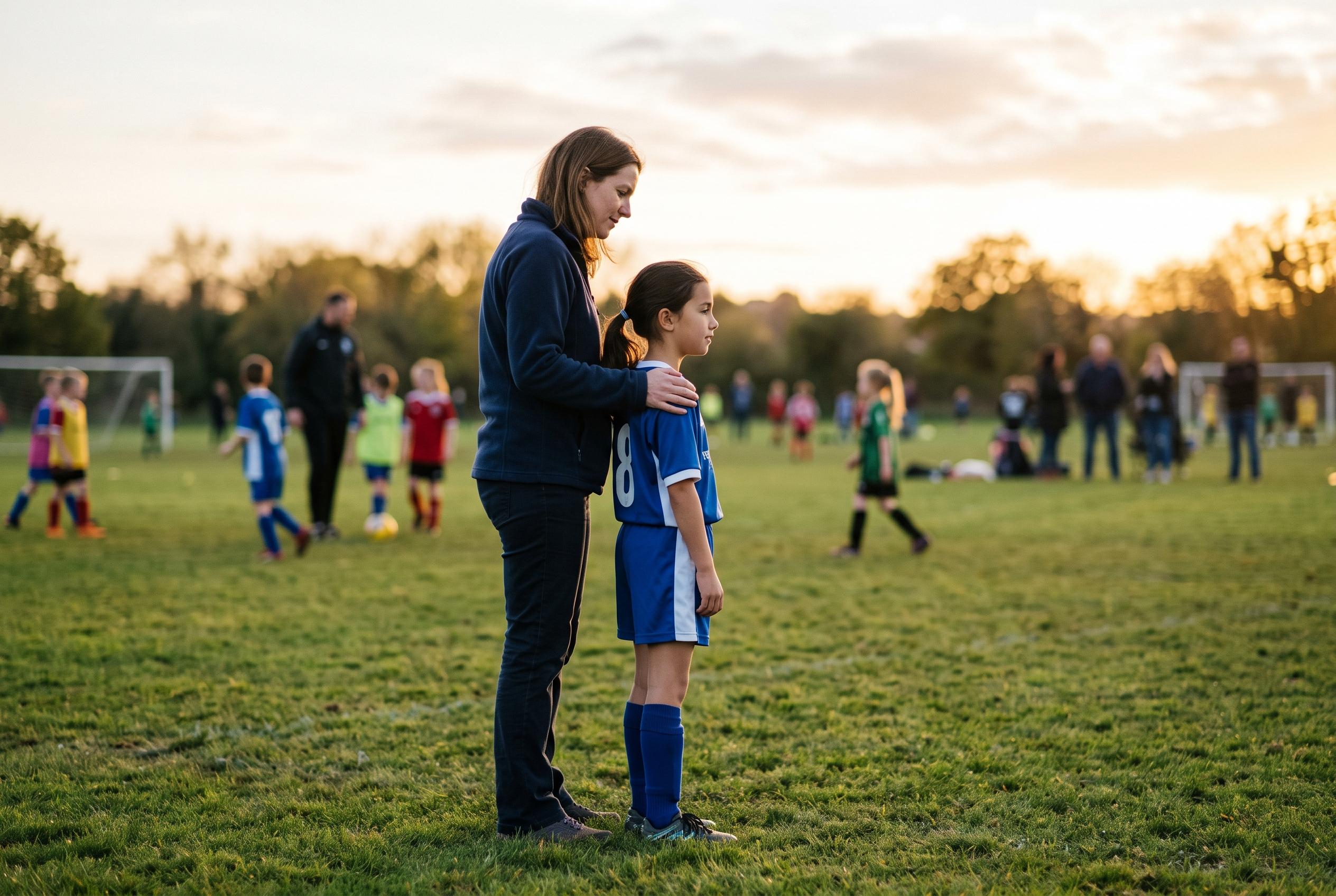

While sports can build resilience and character in young athletes, parental self-awareness and support are crucial to prevent stress, burnout, and loss of enjoyment, as new research suggests a shift towards value-based encouragement and emotional resilience.
Parents of young athletes often enter the season hoping for joy, discipline and confidence-building, only to find themselves pulled into anxiety, frustration and the temptation to manage every outcome. Psychology Today’s Natalia Blauth describes a father in distress over his daughter’s football coach, but the larger point is broader: children’s sport can magnify family stress just as easily as it can build resilience. Research on youth sport has long shown that parents shape both the emotional climate around sport and their children’s wider psychosocial development, which makes self-awareness as important as sideline enthusiasm.
One of the most useful lessons for parents is to distinguish their own feelings from their child’s experience. It is easy to turn a missed pass, a difficult coach or reduced playing time into a personal crisis, especially when a parent feels powerless. The article argues that this is often where the damage starts: adults begin trying to soothe their own fear by fixing problems that do not belong to them. Sport psychology research echoes that concern, with reviews calling for stronger parent education and better coach-parent understanding, because the relationship between adults and young athletes can shape everything from confidence to enjoyment.
The second habit is to measure progress by values rather than trophies. Blauth suggests parents think in terms of character and life skills: perseverance, humility, emotional control, teamwork and the ability to recover from disappointment. That approach fits with wider sport psychology work showing that pressure can harm motivation and increase burnout, while more supportive parenting helps children feel capable and involved. In practical terms, that means praising effort, improvement and conduct, not only results.
The article also urges parents to resist the impulse to rescue children from every setback. There is a real difference between genuine harm and ordinary discomfort, and not every unhappy moment requires adult intervention. A coach may need to coach, a child may need to struggle and learn, and a parent may need to listen more than solve. Finally, Blauth says parents should protect a child’s identity beyond sport: the ride home should not become a post-match debrief, and a young athlete should still feel valued when they are benched, lose or have an off day. Sport can teach children who they are becoming, but it can also teach parents how to let go.
Disclaimer: This content is for informational purposes only and is not intended to be a substitute for professional medical judgment, advice, diagnosis, or treatment.



